Red potato protein is real but modest: in a red potato, protein makes up only a small share of the cooked weight, the bulk of which is water and starch. What separates potatoes from most other vegetables is not how much protein they hold but how good that protein is — a red potato supplies all nine essential amino acids, and potato protein’s quality scores sit among the highest of any vegetable protein.
That distinction is the whole story. Most people asking about red potato protein are trying to decide whether the potato on their plate counts toward a daily protein target. The honest answer is that it contributes, but it is a supporting player, not the centerpiece. Below is the quantity, the variety comparison, the skin question, and the reason the gram count understates what a potato actually offers.
How Much Protein Is in a Red Potato?
A red potato is a low-to-moderate protein food. Protein accounts for only a small fraction of its weight, because most of a potato is water surrounding a starch core. The protein it does contain is high quality, but you would need to eat several potatoes to match the protein in one serving of an animal source or a concentrated isolate.
The exact gram figure depends on the size of the potato and how it is cooked, since cooking changes water content and therefore the protein per 100 grams of finished food. A small new red potato and a large baking-size red potato are not the same thing on a protein basis, and a roasted potato that has lost moisture reads differently per gram than a boiled one that has gained it. The amount of actual protein does not change much with method; the denominator does.
Because of that, a single universal “grams per red potato” number is misleading without the size attached. For serving-by-serving math across cooking methods and potato sizes, see How Much Protein Does a Potato Have? and How Much Protein Is in a Baked Potato?. The practical point for planning a day of meals: count a potato as a small, complete protein contribution layered on top of its carbohydrate, not as a protein source you build a meal around.
Are Red Potatoes a Good Source of Protein?
Red potatoes are a worthwhile supporting source of protein, not a primary one. They deliver protein alongside potassium, fiber, and vitamin C — a 2013 review of white vegetables highlighted potatoes as a meaningful source of shortfall nutrients like fiber and potassium in the diet (Purdue roundtable, 2013) — and the protein they carry is unusually high quality for a vegetable. For most adults, potatoes belong in the “contributes to the total” category rather than the “hits the target on its own” category.
This framing is the same one we apply to the broader question of whether potatoes are a good source of protein. A potato is a vegetable that happens to contain a respectable, complete protein — not a protein food that happens to be a vegetable. The difference is about volume: you would eat a large amount of potato, and a large amount of starch with it, to reach a protein dose comparable to a serving of fish, eggs, or a protein powder.
Who do potatoes work well for, then? Anyone eating a whole-food diet who accumulates protein across the day from several modest sources rather than one large one. A few servings of potato across a week add real, complete protein to the running total. The mistake is treating one potato as a protein meal — and that is exactly why concentrated forms exist, which we return to below.
Red Potatoes vs Russet and Other Varieties
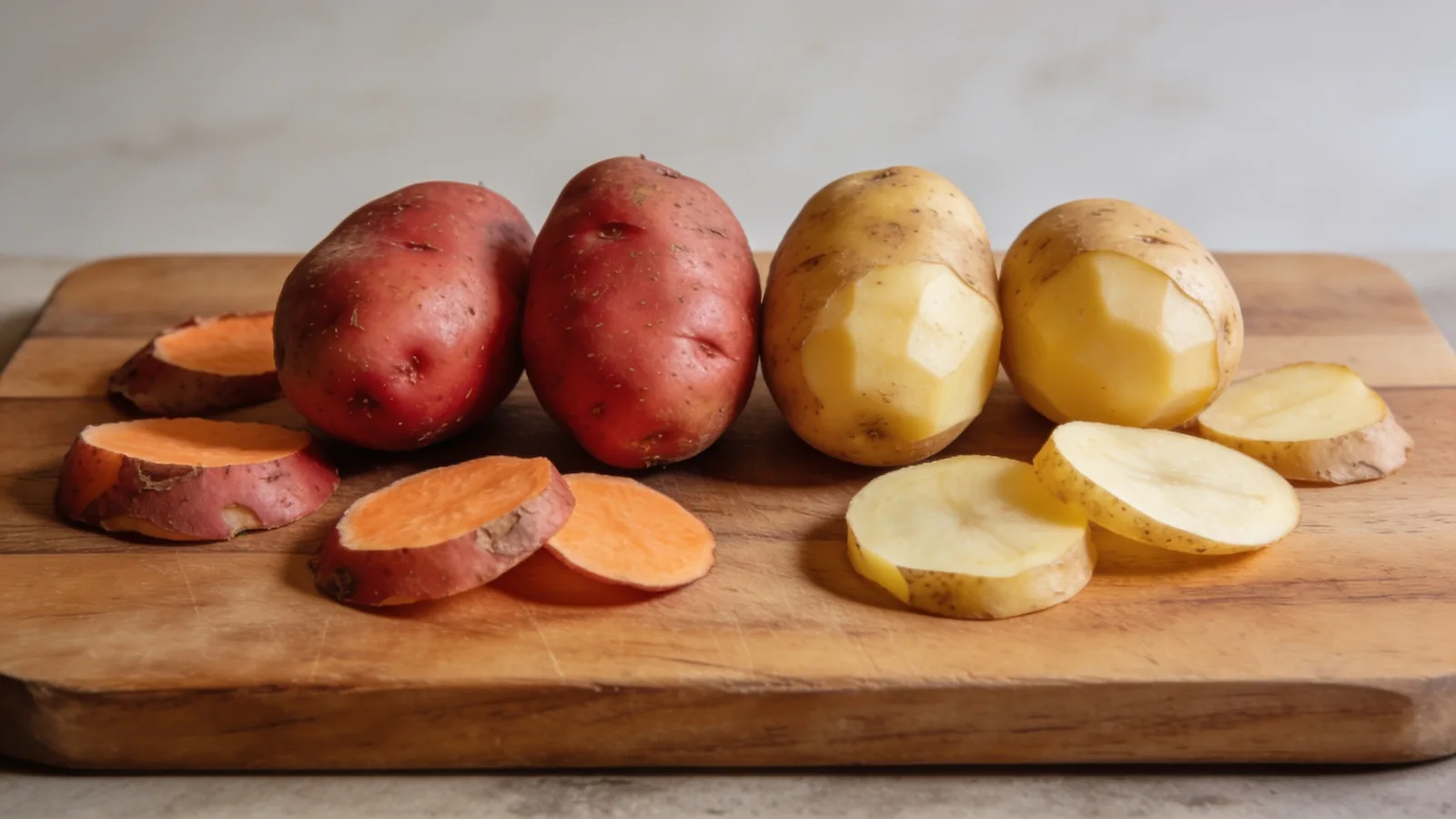
Differences in protein between red potatoes, russets, Yukon Golds, and fingerlings are small compared with the differences created by size and cooking. Variety affects texture, water content, and starch type far more than it changes the protein figure in any way that would matter to your daily total. A larger potato of any variety will out-protein a smaller potato of a so-called higher-protein variety, simply because of mass.
There is a reason waxy red potatoes hold their shape in a potato salad while a starchy russet falls apart in a bake: the starch composition differs. But starch behavior is a cooking property, not a protein property. If you sorted a bin of potatoes by protein and a bin by size, the size sort would predict protein far better than the variety sort.
Sweet potatoes deserve a separate note, because they are a different species entirely and are frequently grouped with white potatoes by mistake. Their protein and amino acid story stands on its own and is covered in How Much Protein Is in a Sweet Potato?. The practical takeaway for white potatoes: do not chase a specific variety for protein. Choose the one you like to cook, and treat the protein as a bonus on top of the potassium and fiber.
Does the Skin Add Protein?
The skin is where much of a potato’s fiber and a share of its micronutrients sit, so leaving it on is sensible — but the skin is not a large protein reservoir. Most of a potato’s protein is distributed through the flesh, and peeling a red potato removes fiber and potassium more than it removes protein.
Red potatoes have thin skins, which is part of why they are so often cooked and served unpeeled. If you are eating potatoes for nutrition rather than only for starch, keeping the skin on is the better default: it retains fiber and potassium that would otherwise end up in the compost. Just do not expect the skin to meaningfully change the protein column. The skin is a fiber-and-micronutrient decision, not a protein decision.
How Cooking Changes Potato Protein
Cooking improves the usability of potato protein. Processing a potato into flour produced significantly higher protein and starch digestibility than raw potato in one analysis (PMID 9839814), and the same principle applies to ordinary cooking: heat makes both the starch and the protein more available to your digestive system.
This is one reason raw potatoes are a poor idea nutritionally as well as a poor idea for palatability and safety. The protein in a raw potato is less digestible than the protein in a baked, boiled, or roasted one, so the figure on a nutrition label does not all reach you if the food is uncooked. Cooking method — boiling, roasting, baking — does not change the underlying amount of protein much, but it does change moisture content, which changes the protein figure per 100 grams of the finished dish. A roasted potato that has driven off water will read higher per gram than the same potato boiled.
Protein Quality: Why the Number on the Plate Understates the Potato
Here is the part the gram count hides. Protein quality is measured by how completely a protein is digested and how well its amino acid pattern matches human requirements, summarized by two scores: PDCAAS and DIAAS. On both, potato protein performs near the top of the plant world.
| Protein | PDCAAS | DIAAS |
|---|---|---|
| Egg white | 1.00 | — |
| Whey isolate | — | 94–100% |
| Potato protein isolate | 0.92–1.00 | up to 100% |
| Soy protein isolate | — | ~90% |
| Wheat gluten | 0.25 | — |
Source: PDCAAS values for egg and wheat gluten from Schaafsma, Journal of Nutrition 2000 (PMID 10867064); potato protein DIAAS up to 100% from Herreman et al., Food Science & Nutrition 2020 (PMID 33133540). Other values are reported ranges from review literature.
A potato protein DIAAS reported as high as 100% puts it in the same conversation as egg and whey, and well above wheat gluten, which scores around 0.25 on PDCAAS (Schaafsma, 2000). Potato protein also contains all nine essential amino acids, which is what “complete” means. Whey still carries a higher proportion of essential amino acids overall, which partly explains why it produces a stronger muscle-synthesis response in some head-to-head studies — but that is a difference of degree, not a difference of category. Potato protein is not a low-quality plant protein scraping by; it is one of the few plant sources that competes with animal proteins on amino acid quality.
If you want the full breakdown of these two scores and why DIAAS is the more modern measure, see Is Potato Protein High Quality? and DIAAS vs PDCAAS: Why the Newer Score Matters. The short version: the protein in a red potato is small in quantity but high in quality, and quality determines how much of what you eat your body actually uses.
Fitting Red Potatoes Into a Daily Protein Target
Because a single potato is a minor protein contribution, the realistic way to use it is additively. Protein accumulates across the day, and a few servings of complete, high-quality potato protein stack onto the protein from your other foods. That stacking matters more after 40, when under-eating protein is common and muscle loss accelerates if intake stays low — the subject of Protein After 40.
For anyone working toward a deliberate intake — to preserve or build muscle — potatoes are part of the base, not the lever. The lever is a concentrated protein source. If you are calculating a target for muscle gain, How Much Protein Per Day for Muscle Gain lays out the numbers, and you can see how a potato’s contribution fits against them.
From Red Potato to Potato Protein Isolate
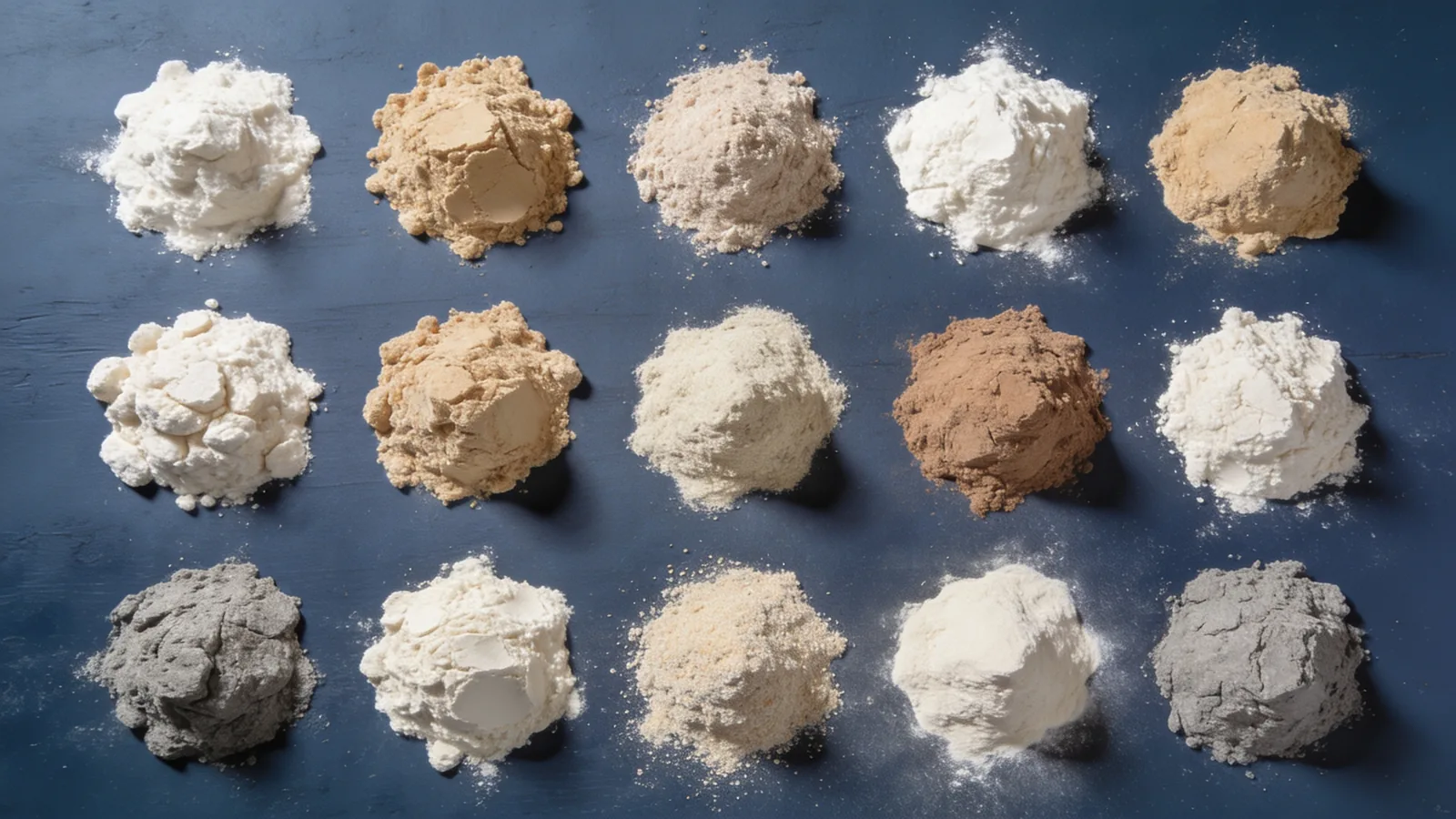
The same protein that is diluted across a whole potato can be concentrated. Commercially, potato protein is extracted from potato fruit juice — the liquid left over from starch production — and dried into a powder. Commercial isolates typically run 80–95% protein on a dry basis, which is why a single scoop can carry what would take several potatoes to deliver on the plate.
This is the bridge between a vegetable and a protein supplement. A clinical trial published in Nutrients in 2020 found that 25 grams of potato protein isolate, taken twice daily, increased muscle protein synthesis rates in young women — direct evidence that the concentrated form behaves like a high-quality protein and not like a vegetable side dish (Nutrients, 2020). A whole potato will not do that at any reasonable serving size; the isolate does it at one scoop.
That gap — between the protein in a red potato and the protein in a potato protein isolate — is the entire reason isolates exist. To understand how the extraction works and what the finished ingredient is, start with What Is Potato Protein?, the pillar for the science behind it. If you want to confirm that the whole-food protein qualifies as complete before you go further, Is Potato Protein a Complete Protein? walks through the amino acid detail.
A red potato is a good food with a little high-quality protein in it; a potato protein isolate is that protein, concentrated, and nothing else.