The relationship between potato and protein is more interesting than the raw number suggests: a standard 148-gram potato contains roughly 3 grams of protein. That is a real but modest amount — less than half an egg. The figure most people miss is the one that matters for muscle: protein quality. By the standard quality metric, potato protein scores far higher than its small quantity would lead you to expect.
A standard 148g potato contains about 3 grams of protein. A whole large russet, closer to 300g, provides roughly 6 grams. The protein quality is the surprise: potato protein has a PDCAAS of 0.92–1.00, comparable to several animal proteins. To reach a meaningful per-meal dose without eating several potatoes, the protein is extracted from potato fruit juice and concentrated into an isolate containing 80–95% protein.
Why the Raw Gram Count Misleads You
Three grams sounds trivial, and by quantity it is. But “how much protein” is two questions wearing one coat. The first is quantity — grams per serving. The second is quality — how completely your body can use those grams to build tissue. A potato is unremarkable on the first measure and notably strong on the second.
Protein quality is measured by the Protein Digestibility Corrected Amino Acid Score, or PDCAAS. The score combines how digestible a protein is with how well its amino acid profile matches human requirements. A score of 1.00 is the ceiling, and egg white sits there. Many plant proteins do not: wheat gluten scores around 0.25. Plant proteins, as a category, generally score lower than animal proteins.
Potato protein is the exception worth knowing about. Its PDCAAS lands between 0.92 and 1.00 — among the highest of any vegetable protein source, and on par with several animal proteins. The Digestible Indispensable Amino Acid Score (DIAAS), a newer metric that many researchers consider more accurate, has been reported as high as 100% for potato protein isolates. A potato contains all nine essential amino acids, which is what allows it to score this way.
So the honest answer to “does a potato contain protein” is yes — a small amount of high-quality protein. The limitation is concentration, not completeness.
How Potato Protein Isolate Is Made
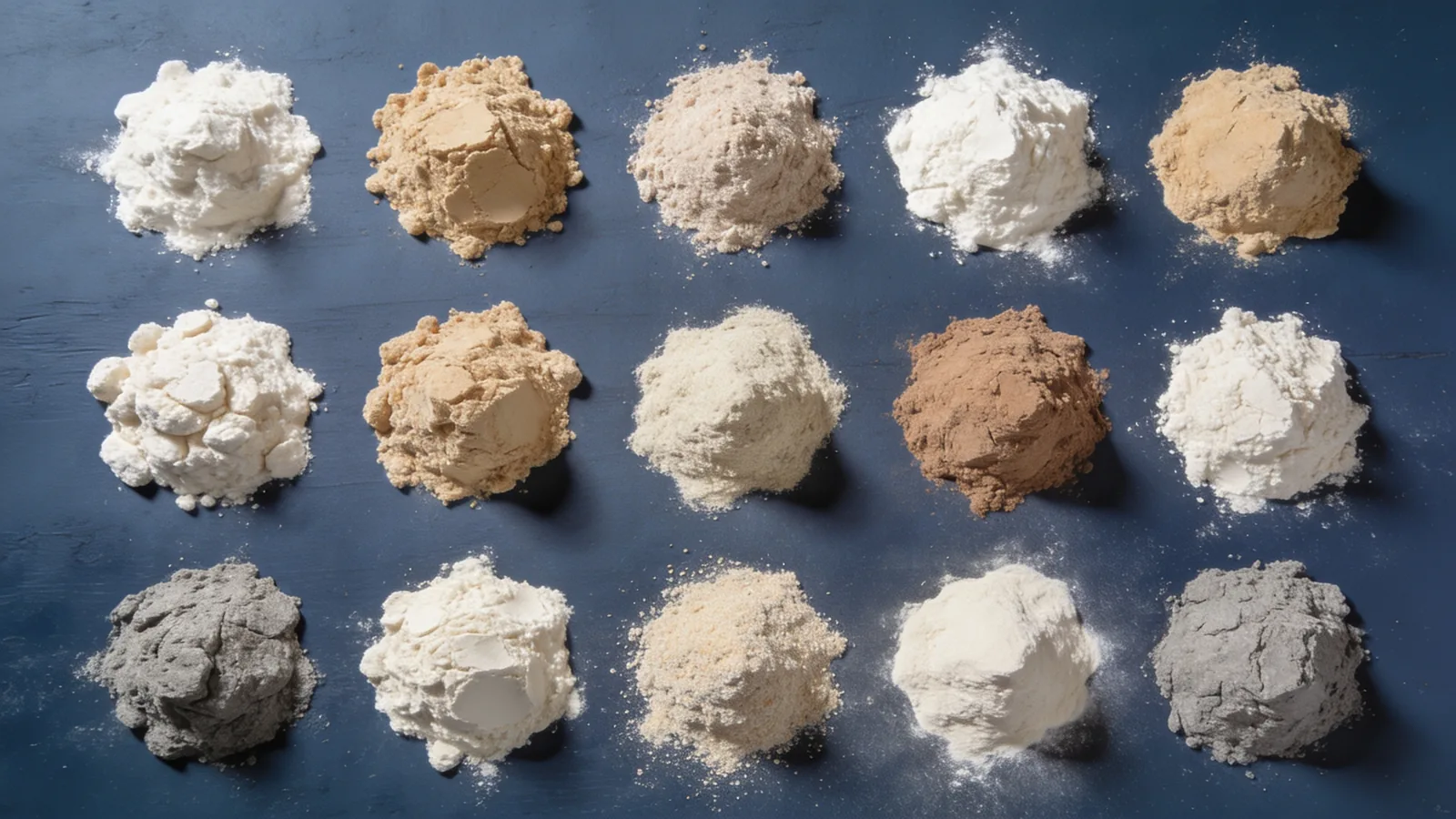
Potato protein isolate is produced by extracting protein from potato fruit juice (also called potato fruit water), a liquid byproduct of starch manufacturing. When potatoes are processed for their starch, the remaining juice carries dissolved protein that was historically treated as a waste stream. Extraction recovers that protein, separates it from the carbohydrate and water, and dries it into a powder.
The result is a concentration story. A whole potato is mostly water and starch with a thin sliver of protein. Removing nearly everything except the protein takes a food that is about 2% protein by weight and converts it into a powder that is 80–95% protein on a dry basis. The carbohydrate that dominates the whole vegetable is gone; what remains is the amino acid fraction that gives the potato its quality score.
A whole potato is mostly starch with a sliver of protein. An isolate keeps the sliver and discards the rest.
This is the same logical step that turns milk into whey isolate or soybeans into soy isolate. If you want a fuller account of the extraction chemistry and the patatin protein that dominates the fraction, see what potato protein isolate actually is and how it differs from potato starch and potato flour.
What the Muscle Research Shows
Potato protein isolate stimulates muscle protein synthesis effectively in human trials. A 2020 study from McMaster University, published in Nutrients, found that women who consumed additional potato protein increased their rate of muscle protein synthesis, while the placebo group did not. A separate trial in young men found that potato protein increased muscle protein synthesis rates at rest and after exercise. The dose in these trials was 25 grams of isolate.
That number reframes the whole-potato figure. To match the 25-gram dose used in the research, you would need to eat roughly eight standard potatoes — somewhere north of 1,200 calories of mostly carbohydrate. The isolate delivers the same protein in a serving with almost none of the starch. The McMaster researchers concluded that potato protein isolate is a high-quality plant-based protein source capable of stimulating muscle protein synthesis.
One honest caveat on amino acid profile: potato protein isolate contains about 37% essential amino acids by weight, while whey protein isolate contains about 43%. Whey carries more leucine per gram, the amino acid most directly tied to triggering muscle synthesis. In practice the difference is closed by dose — eat slightly more potato protein and you reach the same leucine threshold. But the gap is real.
How a Baked Potato With Skin Compares
The skin adds fiber and minerals but very little protein. A baked potato with skin contains essentially the same 3–6 grams of protein as the flesh-only figure, because protein is distributed through the tuber rather than concentrated in the peel. Eating the skin is a sound idea for fiber and potassium — it is not a meaningful protein decision.
Potato Protein in Context: A Quality Comparison
Quantity and quality tell different stories depending on whether you are eating the whole food or a concentrated isolate. The table below puts the common sources side by side.
| Source | Protein per serving | PDCAAS | Common allergen? |
|---|---|---|---|
| Whole potato (148g) | ~3g | 0.92–1.00 | No (rare potato allergy) |
| Potato protein isolate (25g) | ~22g | 0.92–1.00 | No (rare potato allergy) |
| Whey protein isolate (25g) | ~22g | 1.00 | Yes (milk) |
| Egg white | ~13g per 4 whites | 1.00 | Yes (egg) |
| Wheat gluten | varies | ~0.25 | Yes (gluten) |
Two patterns stand out. Potato protein matches whey on quality scoring almost exactly, and it does so without the milk, egg, soy, nut, or gluten that the other complete proteins carry. Monash University classifies potato protein as a low-FODMAP source, which matters for readers managing IBS.
Practical Implications: Eating the Potato vs. Concentrating It
If your goal is fiber, potassium, and a satisfying carbohydrate, eat the whole potato and do not worry about its protein — treat the 3 grams as a small bonus. If your goal is to reach a per-meal protein target of 25–40 grams, the whole potato is an inefficient vehicle, and that is precisely the problem an isolate solves.
This distinction also explains why potato protein has moved beyond shakes into baking. Added to gluten-free bread, potato protein isolate produces softer loaves that stay fresh longer and mimic the structure of wheat. It is used as a food ingredient across a wide range of inclusion levels, and because it has no strong flavor, it disappears into food rather than announcing itself.
For readers building a daily protein plan around quality rather than marketing, our protein powder guide walks through how to evaluate any isolate on the same two axes used here: grams per serving and amino acid quality.
Limitations and What We Do Not Claim
A few honest boundaries. First, whey still edges potato protein on leucine density and on PDCAAS at the very top of the scale (1.00 vs. 0.92–1.00). If you tolerate dairy and want the most leucine per gram, whey is a defensible choice.
Second, “allergen-free” is a general statement, not a personal guarantee. Potato protein is free of the major allergens, but if you have a diagnosed potato allergy, the allergenic proteins are still present and you should not consume it. The patatin protein that gives the isolate its function is also its potential allergen.
Third, none of this is a medical claim. Potato protein supports protein intake; it does not treat, prevent, or cure any condition. The muscle synthesis findings describe what happened in controlled trials, not a promise about your results.
Finally, the whole-potato protein figures vary by size and variety. A small new potato carries fewer grams than a large baking russet. The 3-gram figure is for a standard 148-gram serving; scale up proportionally for a larger tuber.
References
- Oikawa SY, et al. Potato Protein Isolate Stimulates Muscle Protein Synthesis at Rest and with Resistance Exercise in Young Women. Nutrients (2020). PMID:32349353. Standard serving protein figure: Potatoes USA (potatogoodness.com).
- Schaafsma G. The Protein Digestibility-Corrected Amino Acid Score. Journal of Nutrition (2000). PMID:10867064.
- Herreman L, et al. DIAAS values for protein sources. Food Science & Nutrition (2020). PMID:33133540.
- Extraction of protein from potato fruit juice/water. Food and Bioprocess Technology (2012).
- Gorissen SHM, et al. Protein content and amino acid composition of commercially available plant-based protein isolates. Amino Acids (2018). PMID:30167963.
- Monash University FODMAP. Potato protein classified as low-FODMAP (2019).
- Center for Research on Ingredient Safety (CRIS), Michigan State University: potato allergen guidance.
- Pinckaers PJM, et al. Potato Protein Ingestion Increases Muscle Protein Synthesis Rates at Rest and during Recovery from Exercise in Humans. Medicine & Science in Sports & Exercise (2022). PMID:35438672.