The protein in a sweet potato is small enough that it rounds away in most diets: a sweet potato is a carbohydrate food first, and a protein source only in the most generous accounting. The little protein it carries is an incomplete plant protein, low in the essential amino acids that drive muscle protein synthesis. If you are eating sweet potatoes to reach a protein number, you are counting the wrong column.
Protein in a sweet potato is minimal: it is predominantly a carbohydrate food, not a protein source, and the modest amount it does contain is an incomplete plant protein. To reach a meaningful protein target you need a concentrated source. For comparison, potato protein isolate is 80–95% protein on a dry basis, with a PDCAAS around 0.92–1.00 and a DIAAS reported as high as 100% — on par with several animal proteins. Sweet potato and potato are not the same plant, and they are not nutritionally interchangeable.
Treat the sweet potato as the side, not the protein, and build a complete protein into the same plate. What you need: A food scale · A protein target in grams · A concentrated complete protein · Time: 10 min
How to Account for Sweet Potato Protein in 6 Steps
Read the sweet potato as a carbohydrate, not a protein
A sweet potato earns its place on the plate through starch, fiber, potassium, and beta-carotene — not protein. The protein fraction is small relative to total calories, and it sits well below what your muscles need from a single serving. Logging a baked sweet potato in a tracking app and watching the carbohydrate bar dwarf the protein bar makes the point faster than any sentence.
Example: If you build a “high-protein lunch” around a sweet potato and a handful of greens, your protein total stays near zero on the scale that matters. The sweet potato is doing other useful work; protein is not part of the job description.
Check whether sweet potato protein is complete
Protein quality is not just total grams — it is the amino acid mix. Plant proteins are generally less digestible and lower in amino acid bioavailability than animal proteins (Foods 2024, PMID:38890999). The sweet potato’s small protein contribution is dilute and low in the essential amino acids that signal muscle to rebuild, so its grams count for less than an equal weight of a complete protein.
For context on the gap between sources, the PDCAAS reference range runs from egg protein at 1.00 down to wheat gluten near 0.25. Most vegetable foods land in the lower half of that range. If the distinction between complete and incomplete protein is new to you, our explainer on complete vs incomplete proteins lays it out without jargon.
Compare it to a concentrated, complete protein
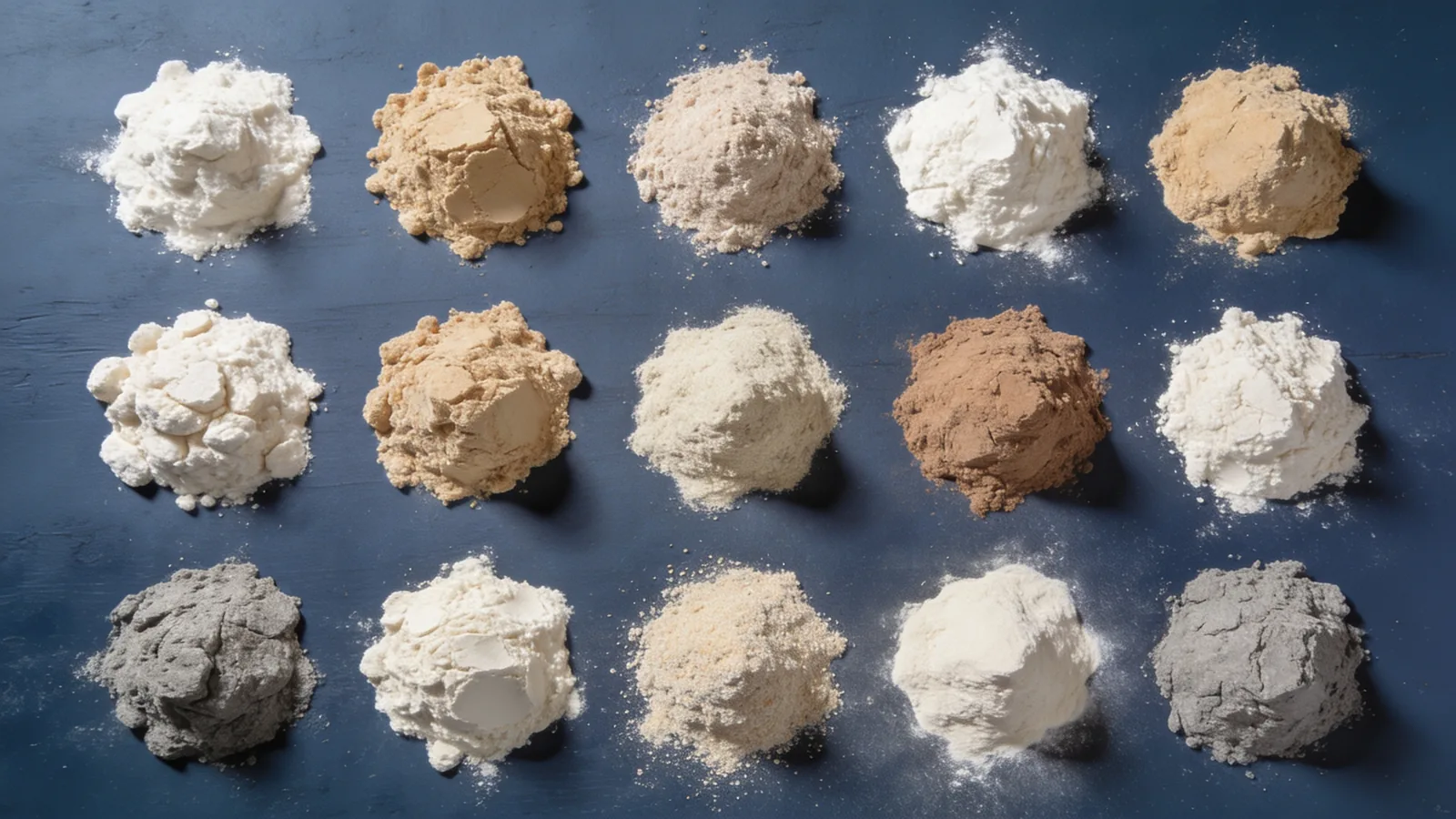
This is where the sweet potato’s reputation collapses under scrutiny. A concentrated source delivers in one scoop what you could not get from several sweet potatoes. Potato protein isolate — a different plant entirely from the sweet potato — is 80–95% protein on a dry basis, contains all nine essential amino acids, and carries a PDCAAS in the range of 0.92–1.00. Its DIAAS has been reported above 100, placing it among the top-scoring proteins alongside casein and egg, while whey and soy rate high-quality but below that tier (Herreman et al., Food Science & Nutrition 2020, PMID:33133540).
The functional difference shows up in studies. Consuming 25g of potato protein isolate twice daily stimulated muscle protein synthesis rates in young women (Oikawa et al., Nutrients 2020, PMID:32349353) — a result you will not get from any practical serving of sweet potato. If you want the full picture on how the isolate is made and where it sits among plant proteins, read what potato protein actually is.
Example: Potato protein isolate contains roughly 37% essential amino acids by composition, against about 43% for whey protein isolate (Amino Acids 2018, PMID:30167963). Close, in the same league — and in a different universe from a starchy tuber.
Set a daily protein target you can measure
Decide on a number before you plan a plate. Research that found no adverse effect of higher protein on kidney function in healthy adults defined “high protein” as at least 1.5 g/kg of body weight, at least 20% of energy intake, or at least 100g per day (Devries et al., The Journal of Nutrition 2018, PMID:30383278) — a useful upper reference for people who have heard the protein-and-kidneys myth. Pick a figure in grams, then check what each food contributes against it.
Once you have a target, the sweet potato’s role becomes obvious: it fills the carbohydrate and fiber lines, not the protein line. For age-specific targets, our guide to protein after 40 covers why the requirement rises as anabolic signaling dulls with age.
Tip: A practical anchor: the potato protein research above used 25g per dose. Two of those doses cover a meaningful share of most adults’ daily needs. A sweet potato covers essentially none of it.
Pair the sweet potato with a complete protein
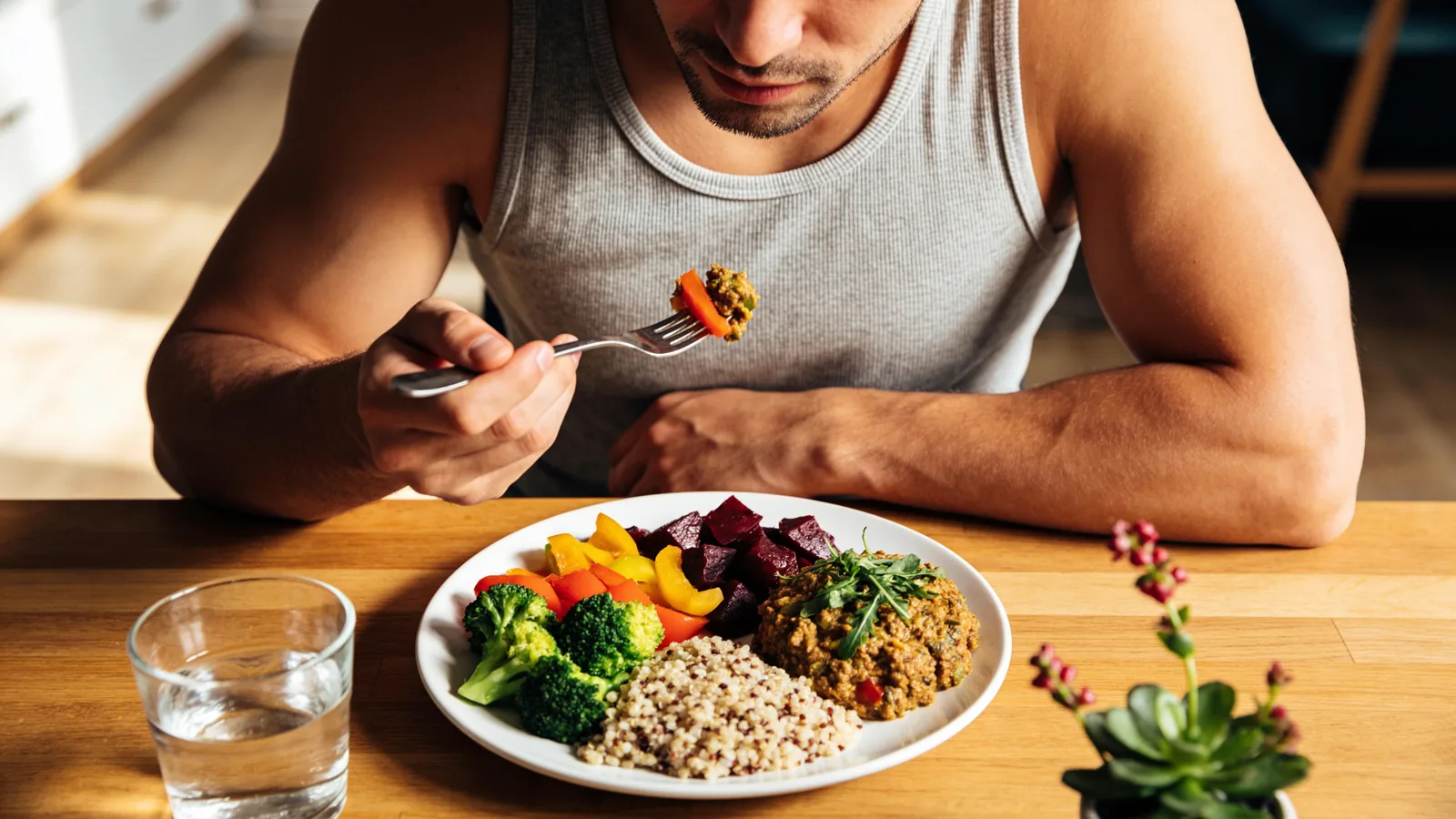
Keep the sweet potato — it is a good food — but stop asking it to do a job it cannot do. Build the protein in alongside it. A roasted sweet potato becomes a complete meal next to eggs, fish, Greek yogurt, or a scoop of a complete protein stirred into the dish. The sweet potato handles texture, sweetness, and slow carbohydrate; the protein source handles the amino acids.
The allergy angle matters here. Sweet potato and potato are not closely related plants, and potato is not one of the FDA’s major allergens. For households juggling dairy, egg, nut, and soy restrictions, a single-ingredient potato protein isolate adds complete protein without adding a new allergen to the meal.
Example: Mash a baked sweet potato with cinnamon, fold in a complete protein source, and you have shifted the plate from a carbohydrate side to a balanced meal — without changing what you bought at the store.
Stir potato protein isolate into sweet potato dishes
An unflavored, single-ingredient potato protein isolate blends into sweet potato mash, sweet potato pancake batter, and sweet potato soups without leaving a chalky aftertaste or its own flavor. It disappears into your food. Whisk it into the warm mash off the heat, or fold it into batter before cooking, and the protein column on your tracker finally moves.
If you want tested formulas to copy rather than improvise, browse the recipe index for dishes that already account for the protein math. Add the isolate to the wet ingredients so it hydrates evenly.
Pitfall: Do not try to reach your protein target by simply eating more sweet potato. You will hit your carbohydrate and calorie ceiling long before your protein floor. The fix is a different ingredient, not a bigger portion.
Checklist
- Logged the sweet potato as carbohydrate, not protein.
- Confirmed sweet potato protein is incomplete and dilute.
- Chose a complete protein source with a high PDCAAS or DIAAS.
- Set a daily protein target in grams.
- Added the protein to the same plate as the sweet potato.
- Stirred or folded the isolate in so it blends invisibly.