The hardest part of building high protein snacks low calorie enough to matter is the math: 20-30g of protein under 200 calories rules out most of what gets marketed as a “protein snack.” A 113g serving of 1% cottage cheese delivers 14g of protein for 81 calories, which means a single whole food rarely clears 25g on its own without crossing the calorie line. The reliable move is to start with a lean base and close the gap with a single-ingredient protein isolate.
High-protein, low-calorie snacks in the 20-30g protein, under-200-calorie range almost always pair a lean whole food with added isolate. For reference, 113g of 1% cottage cheese provides 14g of protein for 81 calories; stir in a scoop of single-ingredient protein isolate and you reach 25-30g while staying under 200 calories. Egg whites, chicken breast, and potato protein isolate are the most dependable building blocks because they carry protein without the saturated fat or sugar that inflates the calorie count.
The Verified Building Blocks
Here are the foods with documented protein-to-calorie ratios worth building a snack around. Where a per-serving calorie figure is not established, the cell is left with an em-dash rather than a guessed number.
| Building block | Protein | Calories | Notes |
|---|---|---|---|
| Cottage cheese, 1% fat (113g) | 14g | 81 | Contains lactose |
| Egg whites (4, ½ cup from carton) | 13g | — | Almost entirely protein, no saturated fat |
| Chicken breast (lean) | — | — | Cited by dietitians as a top high-protein, low-calorie food |
| Potato protein isolate (25g serving) | — | — | Low-FODMAP, allergen-free, one ingredient |
| Whey protein isolate | 90-95% protein by weight | — | Less than 1% lactose |
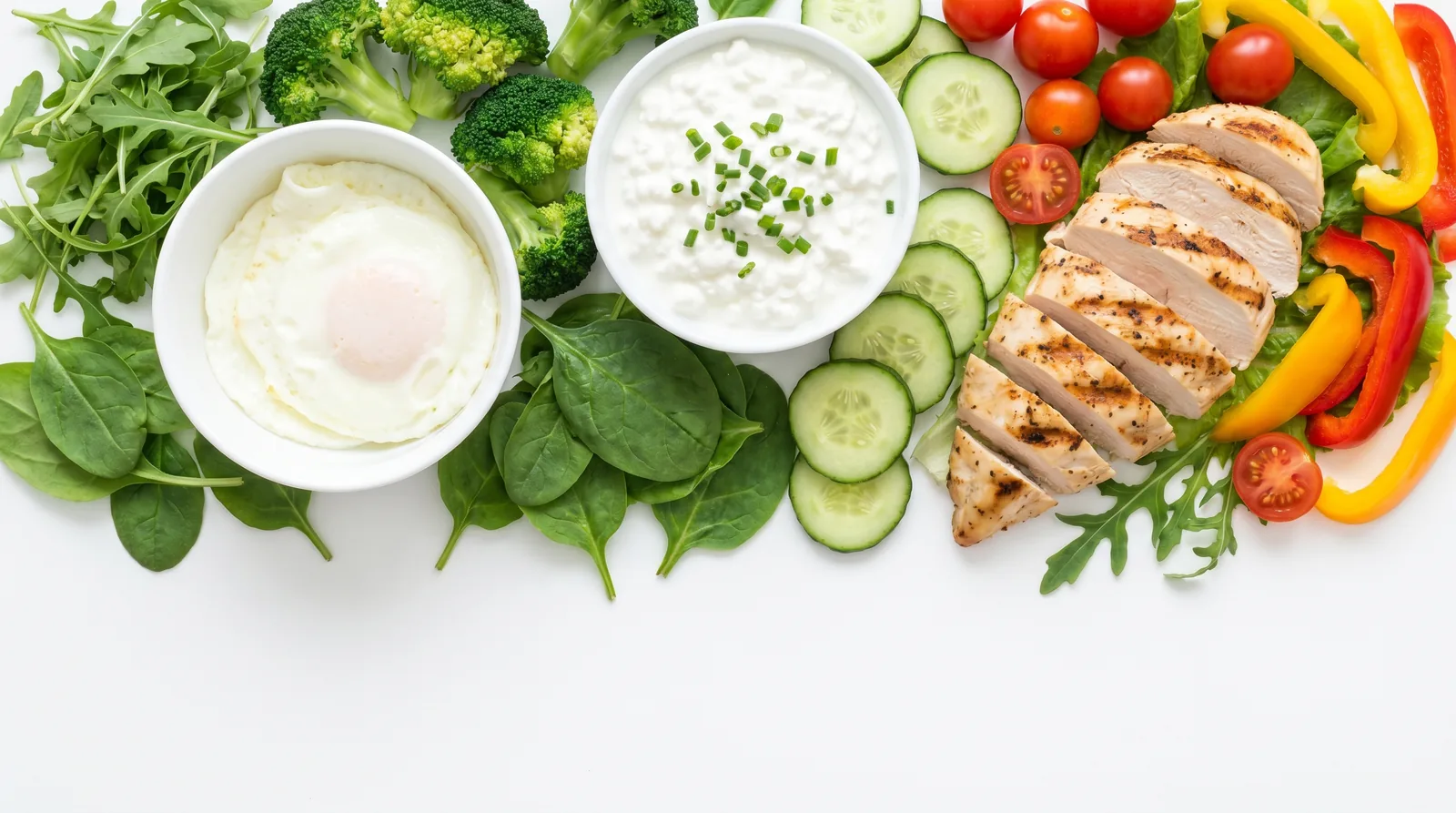
Cottage cheese and egg whites carry the most reliable numbers, which is why they anchor most of the snacks below. A scrambled four-egg-white serving (13g) plus a 113g scoop of cottage cheese (14g) already lands at 27g of protein — squarely inside the target range, with a calorie count low enough to leave room.
Why Protein Is the Right Macro for Snacking
Protein is the macro that keeps a snack from turning into a fourth meal. High-protein meals increase satiety and thermogenesis more than standard-protein meals (Journal of the American College of Nutrition, 2004, PMID:15466943), which means a protein-led snack tends to hold appetite longer per calorie than a carbohydrate-led one. That is the entire reason the 20-30g target exists — it is enough to register as a meaningful dose, not a token few grams.
The market has noticed the same thing. A 2025 survey of GLP-1 medication users found that 74% sought out high-protein or protein-fortified products (Food Business News, 2025), largely because a smaller appetite makes every calorie compete for space. When you can only eat so much, protein density is the deciding factor. For a fuller treatment of how protein supports a calorie deficit, see our guide to protein for weight loss.
The 20-30g Under 200 Calorie Math Problem
Most “protein snacks” on a shelf hit one number and miss the other. A snack can be under 200 calories with only 8g of protein, or carry 25g of protein wrapped in 350 calories of nuts and chocolate. Hitting both targets at once is genuinely constrained, and pretending otherwise is how the category got cluttered.
There are two honest ways through it. The first is to choose a whole food whose protein-to-calorie ratio is already steep — egg whites are close to protein with no saturated fat, and lean chicken breast is repeatedly cited by registered dietitians as one of the best high-protein, low-calorie foods. The second is to take a moderate-protein base, like cottage cheese, and add isolated protein to it. A scoop of protein isolate adds protein with very little of the fat or sugar that drives calories up, which is what makes 28-30g under 200 calories achievable. Our breakdown of the lowest-calorie protein powders covers how to read a label for exactly this.
Snack Combinations That Hit the Target
These pairings are built from the verified building blocks above. The principle is the same every time: lean base, add protein, keep added fat and sugar out of the way.
Cottage cheese, two ways
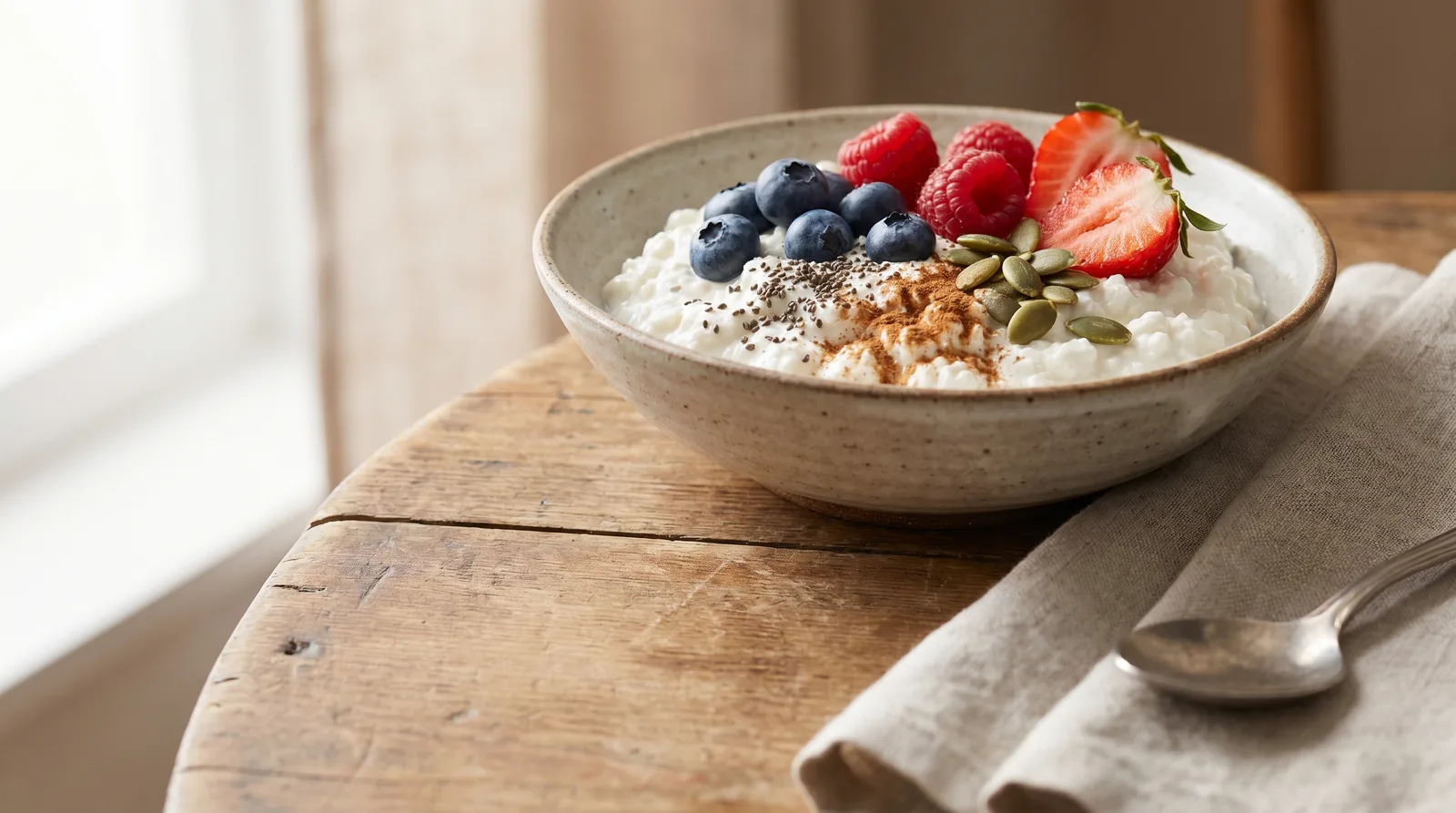
Cottage cheese (1% fat, 113g) starts at 14g of protein for 81 calories. Stir in a scoop of single-ingredient protein isolate and you move into the high-20s without meaningfully changing the texture or the calorie ceiling. Savory: top with cracked pepper and cucumber. Sweet: cinnamon and a few berries. Either version disappears the added protein into the food.
Egg-white scramble
Four egg whites from a carton give 13g of protein, almost entirely protein with no saturated fat. Scrambled with spinach and a small amount of cottage cheese folded in at the end, the plate reaches the mid-20s for protein and stays low on calories because nothing in it is calorie-dense.
Chicken breast, cold and portioned
Cold lean chicken breast is the least glamorous and most efficient snack on this list. Dietitians flag it as a benchmark high-protein, low-calorie food for a reason: it is dense in protein and light on everything else. Portioned into 80-100g pieces, it covers a chunk of the 20-30g target on its own. For more whole-food options built on this logic, see volume eating for weight loss and our full high-protein, low-calorie foods list.
Closing the Gap With a Single-Ingredient Isolate
When the whole-food base lands at 12-15g, the cleanest way to reach 25-30g is added protein rather than a second snack. This is where the ingredient list matters. A protein isolate stirred into yogurt or cottage cheese should add protein and nothing else — not sweeteners you did not ask for, not gums, not a flavor system.
Potato protein isolate is one of the more useful options for this job for three specific reasons. It is allergen-free — no dairy, egg, soy, or nuts — which matters if a snack is going to a kid with allergies. It is a documented low-FODMAP protein source (Monash University, 2019), so it sits better for sensitive stomachs than many pea or whey-concentrate powders. And it is functional as protein, not just filler: consuming 25g of potato protein isolate stimulated muscle protein synthesis at rest and after exercise in young women (Nutrients, 2020, PMID:32349353). Whey protein isolate is the alternative for those who tolerate dairy — it runs 90-95% protein by weight with less than 1% lactose. For background on the ingredient itself, see what potato protein is.
The point of a single-ingredient isolate in a snack is that it does not announce itself. It disappears into your food. You raise a 14g cottage cheese to 28g without changing what the snack is or pushing it over 200 calories.
Snacks for Specific Situations
For allergy-sensitive households
If a snack has to clear dairy, egg, soy, and nuts at once, the base options narrow fast. A potato protein isolate stirred into a non-dairy yogurt is one of the few ways to reach 20-30g without a known allergen in the bowl. See our allergen-free protein guide for the full reasoning.
For a smaller appetite or GLP-1 users
When appetite is reduced, protein density per bite is the whole game. A small bowl of cottage cheese with added isolate delivers more usable protein in less volume than most packaged bars. Our notes on protein on GLP-1 medications go deeper.