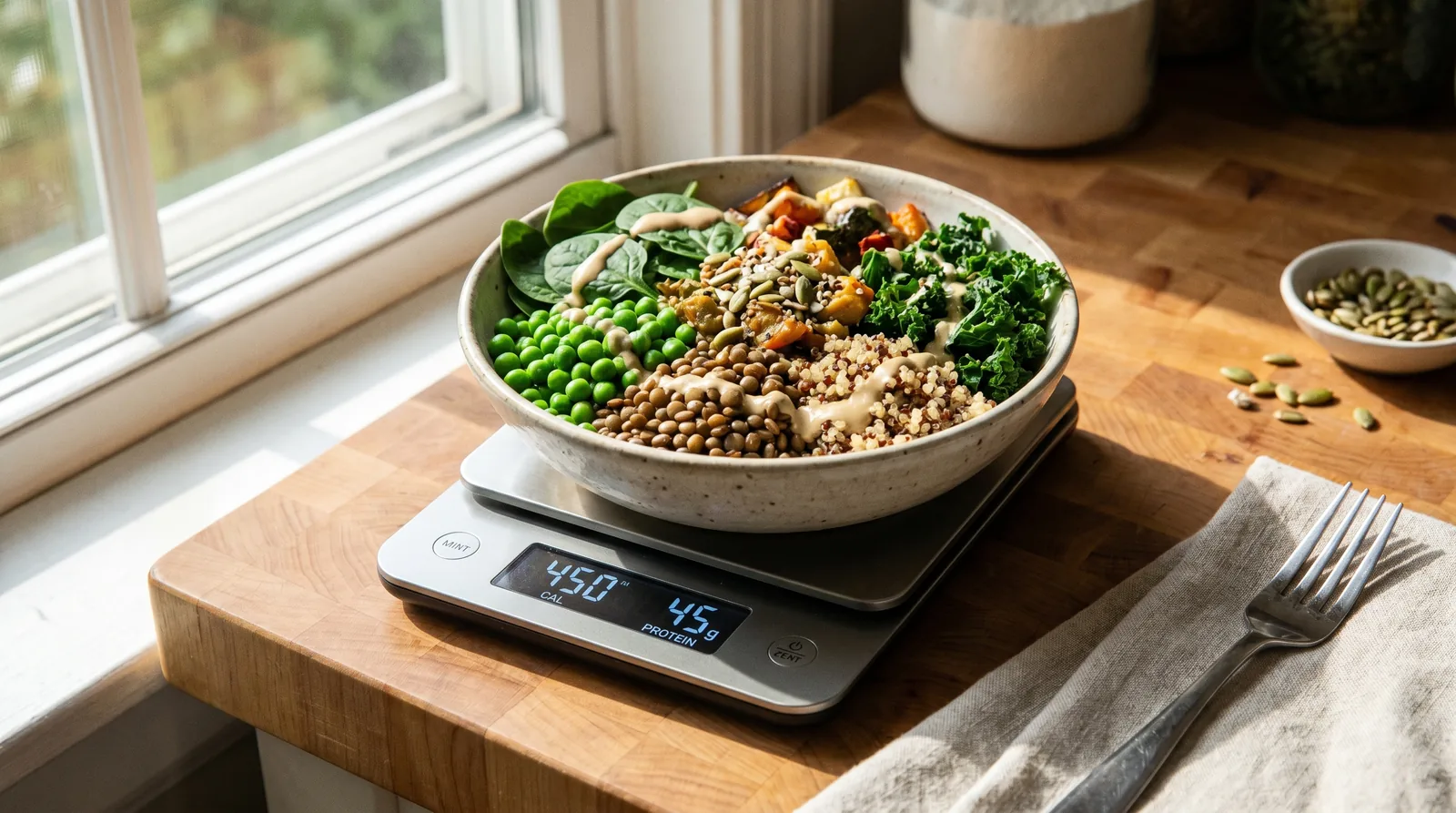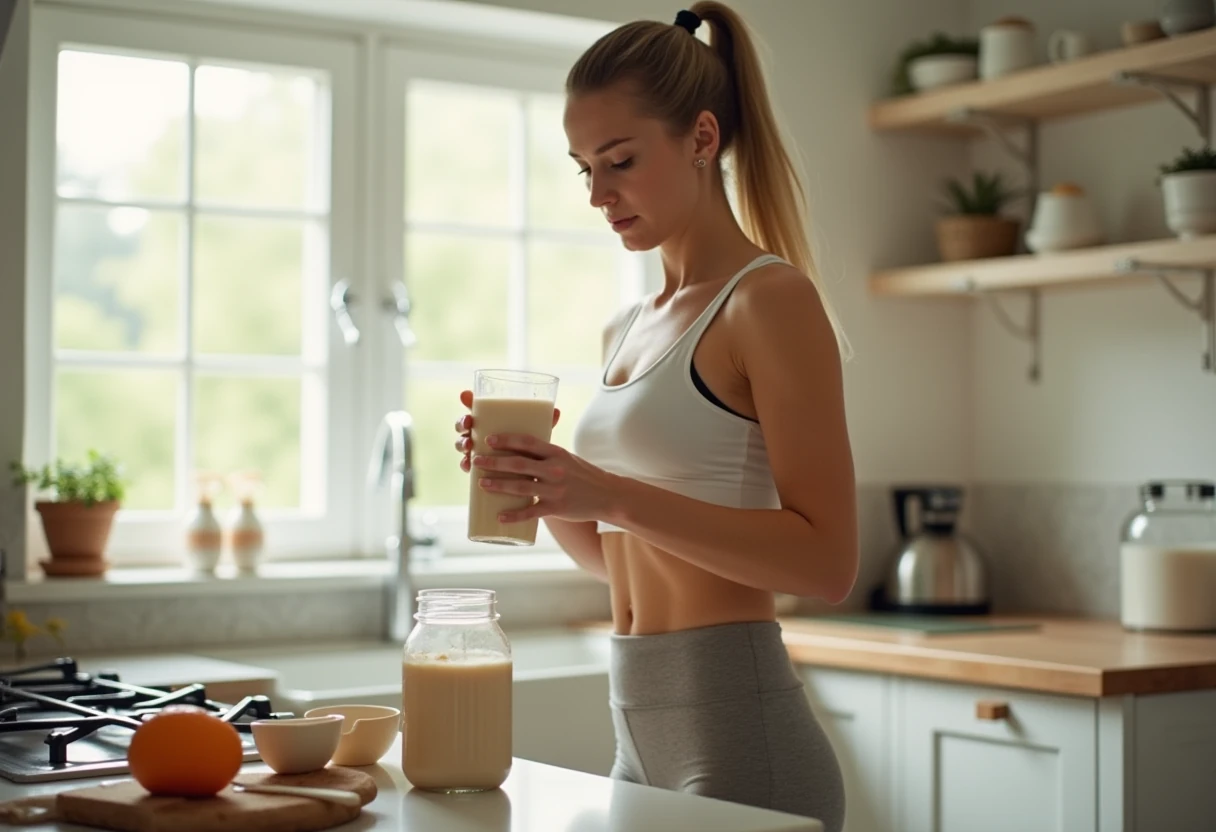
The best protein powder for women’s weight loss is the one that delivers the most protein for the fewest calories and the fewest ingredients. Everything else — flavor, brand story, packaging — is secondary to that ratio, because weight loss happens in a calorie deficit, and protein is the macronutrient that makes a deficit survivable. The three things most women worry about (getting bulky, soy and hormones, and “extra” calories) are largely misunderstood, and we will address each one with the research before we get to the picks.
For weight loss, the strongest protein powder for women is high in protein, low in calorie density, and short on additives. A single-ingredient potato protein isolate (80–95% protein on a dry basis) fits all three: it is soy-free, has no added sweeteners, and its DIAAS has been reported as high as 100% — comparable to animal protein (Food Science & Nutrition, PMID:33133540). Protein also carries the highest thermic effect of any macronutrient, meaning the body spends more energy digesting it than carbohydrate or fat (Journal of the American College of Nutrition, PMID:15466943).
We evaluated protein powders the way someone reading labels by default would: against the criteria that actually matter on a calorie deficit, not against marketing claims.
Will Protein Powder Make Me Bulky?
No. Building visible muscle bulk requires a calorie surplus, years of progressive resistance training, and a hormonal profile most women do not have. Women produce a small fraction of the testosterone men do, so the rate of muscle accrual is far slower. In a calorie deficit, you are not gaining size — protein is preserving the muscle you already have while you lose fat.
This matters because muscle is metabolically active tissue. When women lose weight without adequate protein, a meaningful share of the loss comes from lean mass, which lowers resting energy expenditure and makes the weight easier to regain. Research in young women found that 25 g of potato protein isolate taken twice daily measurably increased muscle protein synthesis rates (Nutrients, PMID:32349353) — the same mechanism that protects muscle on a deficit. The goal is not bulk. The goal is keeping what you have.
Is Soy Protein Bad for Women’s Hormones?
The isoflavones in soy are phytoestrogens that bind estrogen receptors far more weakly than the body’s own estrogen, and food-quantity soy intake has not been shown to disrupt hormones in the research. Soy protein is a complete protein and has been associated with lower LDL cholesterol and triglycerides. It is a legitimate option.
That said, plenty of women prefer to avoid soy — for taste, for allergy reasons, or simply by preference — and there is no nutritional penalty for doing so when an equally complete alternative exists. Potato protein isolate is soy-free, which removes the question without asking you to justify it. If avoiding soy is a priority, our guide to protein powder without soy covers the alternatives in more detail.
Do the Calories in Protein Powder Work Against Weight Loss?
Not meaningfully — protein is the most efficient macronutrient for weight loss, not the least. Protein carries the highest thermic effect of the three macronutrients, so the body burns more energy digesting it than it does digesting carbohydrate or fat (Journal of the American College of Nutrition, PMID:15466943). It also increases satiety and reduces subsequent food intake more than carbohydrate or fat (PMID:18469287).
The calorie concern is really an ingredient concern. A single-ingredient isolate is almost entirely protein, so its calories are protein calories. A powder padded with maltodextrin, oils, and flavor systems carries calories that do not contribute to satiety. The fix is reading the label, not avoiding protein. For more on the underlying science, see our pillar guide on protein for weight loss.
Top Options by Category
Potato Protein Isolate (single-ingredient)
Single-ingredient, unflavored
One ingredient: potato protein isolate. No soy, no added sweeteners, nothing to squint at. On a dry basis it runs 80–95% protein, which keeps the protein-to-calorie ratio high — exactly what you want on a deficit. Its DIAAS has been reported as high as 100% (Food Science & Nutrition, PMID:33133540), and a controlled trial in young women showed 25 g doses stimulated muscle protein synthesis at rest and after exercise (Nutrients, PMID:32349353). It is also a low-FODMAP protein source per Monash University (2019), which matters for women who bloat on pea or whey concentrate. It is typically unflavored, so it disappears into yogurt, oatmeal, or a smoothie rather than dictating the taste.
Pros:
- Soy-free and free of added sweeteners
- Single ingredient — fewest possible inputs
- DIAAS reported as high as 100%
- Low-FODMAP; gentle on digestion
- High protein-per-calorie ratio
Cons:
- Lower leucine than whey, with a slower rise in blood amino acids
- Unflavored takes a meal or two to get used to
- Not a fit if you specifically want a sweet, milkshake-style drink
Single-Ingredient Pea Protein
Plant-based, widely available
Pea protein is soy-free, widely available, and usually inexpensive. A single-ingredient pea protein is just yellow pea protein — nothing else — which keeps the label short. Its limitation is amino acid balance: across pea genotypes, the limiting amino acids are methionine plus cysteine, averaging only 2.6 g per 100 g of protein (Molecules, 2024, PMID 39519674), so it is slightly less complete than potato or whey. It can also carry FODMAPs — Monash University notes that pea and soy proteins “often contain some FODMAPs” — which is worth knowing if you are bloating-prone.
Pros:
- Soy-free and dairy-free
- Affordable and easy to find
- Single-ingredient versions exist
Cons:
- Limiting in methionine and cysteine
- Can contain FODMAPs; may cause bloating
- Gritty texture and a distinct pea taste
Unflavored Whey Isolate
Dairy-based, fast-digesting
If you tolerate dairy, whey isolate is hard to beat for muscle preservation. It is a complete protein providing all nine essential amino acids, it is the highest in leucine, and its rapid digestion makes it especially effective at stimulating muscle protein synthesis (American Journal of Clinical Nutrition, PMID:21367943). Whey isolate is 90–95% protein with under 1% lactose, so most people who react to milk still handle it well. We rank it behind potato only on the soy-free/dairy-free question — not on quality.
Pros:
- Complete protein, highest leucine content
- Fast digestion; strong muscle-preservation signal
- Isolate form is very low in lactose
Cons:
- Dairy-based — not for the dairy-intolerant or vegan
- Concentrate (not isolate) carries more lactose
- Flavored versions often add sweeteners
How the Options Compare
Here is the side-by-side on the criteria that decide weight-loss value. Protein percentages are on a dry basis; quality is shown using whichever score is documented for each source.
| Protein source | Protein content | Documented quality | Soy-free | Digestive note |
|---|---|---|---|---|
| Potato protein isolate | 80–95% (dry basis) | DIAAS reported as high as 100% (PMID:33133540) | Yes | Low-FODMAP (Monash, 2019) |
| Pea protein isolate | ~70–90% | Limiting in methionine + cysteine (Foods, 2024) | Yes | Can contain FODMAPs (Monash) |
| Whey protein isolate | 90–95%, <1% lactose | Complete; highest leucine (PMID:21367943) | Yes (dairy, not soy) | Low lactose; concentrate carries more |
| Soy protein isolate | ~88–90% | Complete protein | No | Can contain FODMAPs (Monash) |
What to Look For on Your Own
If none of the picks above fit your budget or taste, the criteria still hold. Read the ingredient panel first. A weight-loss protein should be mostly — ideally entirely — protein, with no maltodextrin, no added oils, and no long flavor system. The shorter the list, the closer the calories are to being protein calories.
Check the protein-to-calorie ratio rather than the protein number alone. Twenty grams of protein in a 90-calorie serving is doing more for a deficit than 20 grams buried in a 180-calorie serving. Then look at quality. A complete amino acid profile — animal protein, potato, or a deliberately combined plant blend — preserves more muscle per gram than an incomplete one.
Finally, take heavy metals seriously, because plant proteins concentrate them from soil. Consumer Reports tested 23 protein products in 2025 and found plant-based powders averaged nine times more lead per serving than dairy-based ones, with more than two-thirds of all products exceeding its safe daily limit. The Clean Label Project’s 2025 Protein Study 2.0 found 47% of 160 products exceeded at least one safety standard, and that plant-based powders carried five times more cadmium than whey. None of this makes plant protein unsafe — it makes third-party testing non-negotiable. Look for a published certificate of analysis, and treat products whose makers will not show one with suspicion. Our broader best protein powder guide walks through how to read those reports.
How Much Protein and When
The RDA of 0.8 g per kilogram of body weight is a floor designed to prevent deficiency, not a target for someone losing weight and trying to keep muscle. Even in older adults, research suggests 1.0–1.2 g/kg to counter muscle loss (Clinical Nutrition, PMID:24814383). For weight loss specifically, intakes are commonly set higher — around 1.2–1.6 g/kg — to protect lean mass during a deficit. For a precise breakdown, see how much protein per day to lose weight.
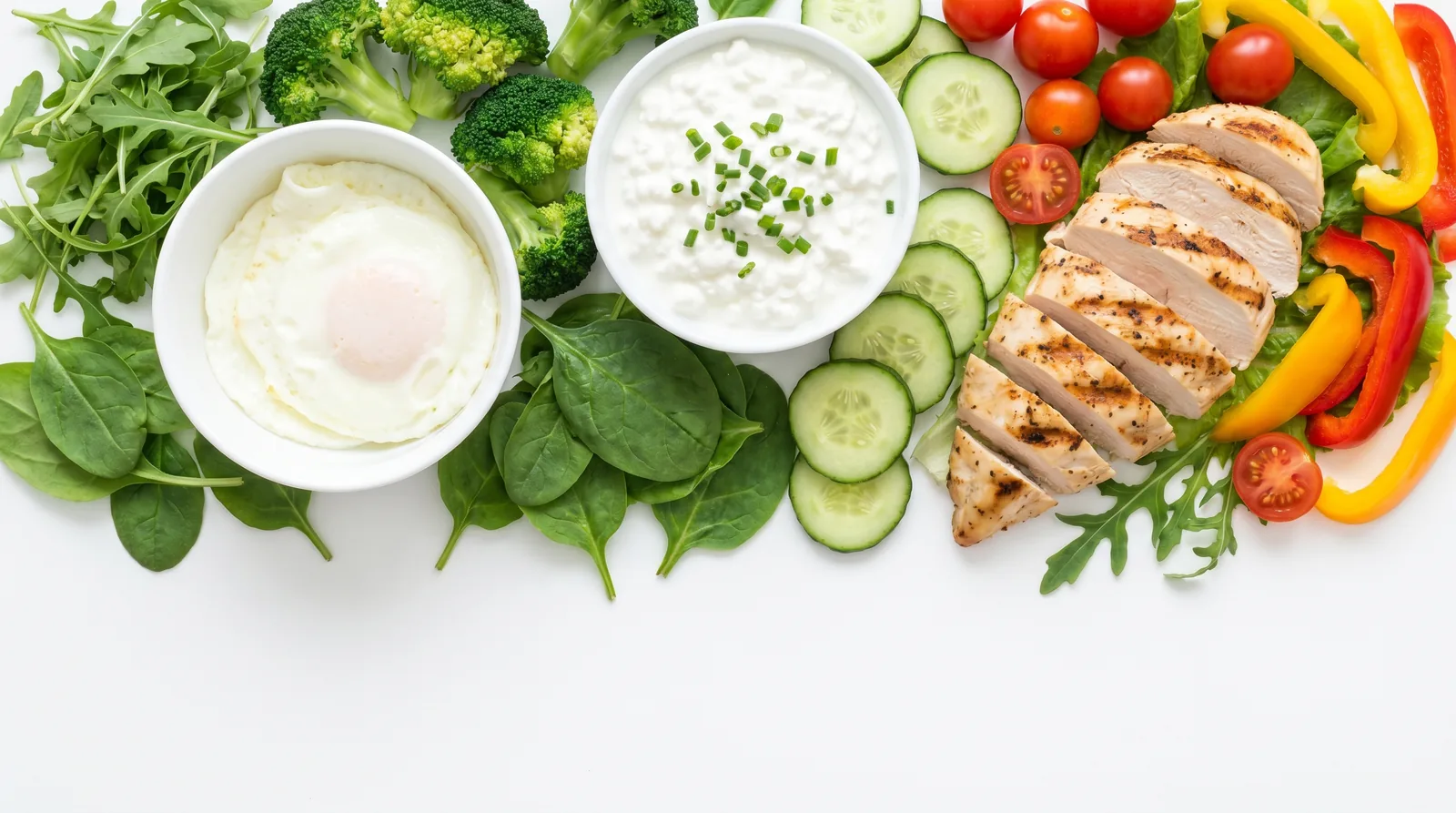
Timing matters less than total intake, but front-loading protein at breakfast has the strongest effect on appetite — a higher-protein morning meal increases satiety and reduces later energy intake more than carbohydrate or fat (PMID:18469287). A protein-forward breakfast tends to make the rest of the day easier to control. Whole foods come first; high-protein, low-calorie foods like egg whites, cottage cheese, and chicken breast should anchor the plate, with powder filling the gap when food alone falls short.