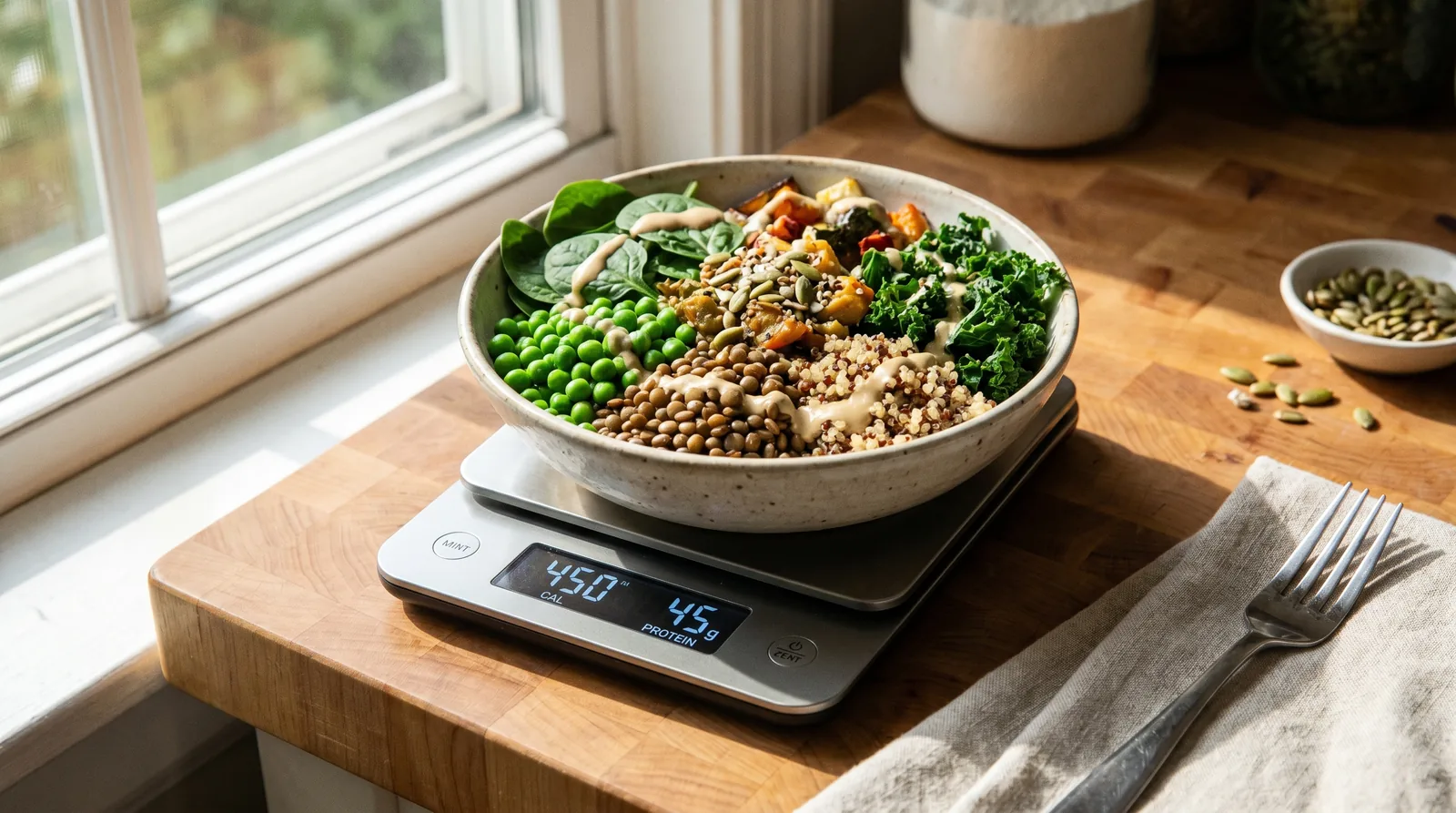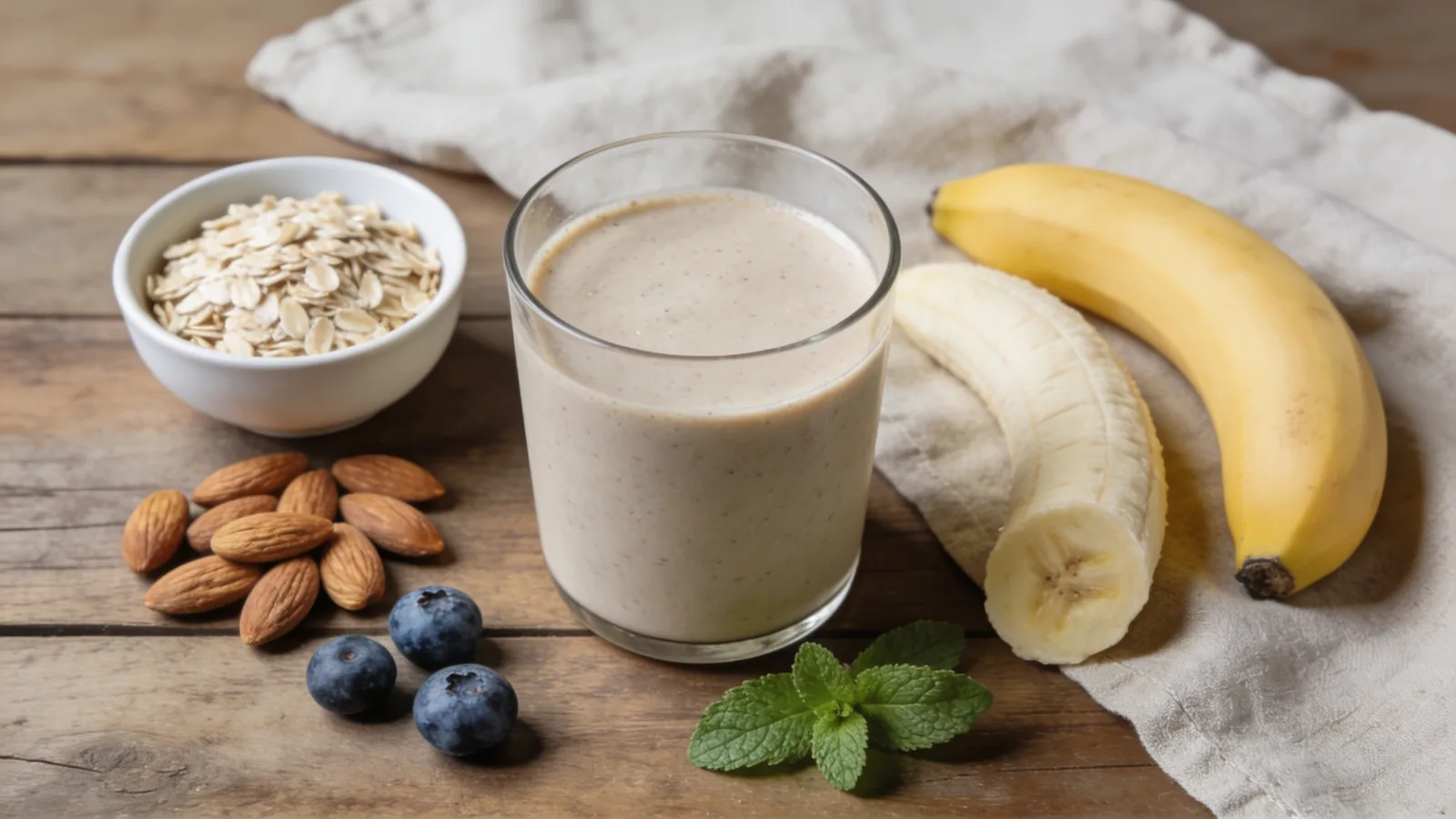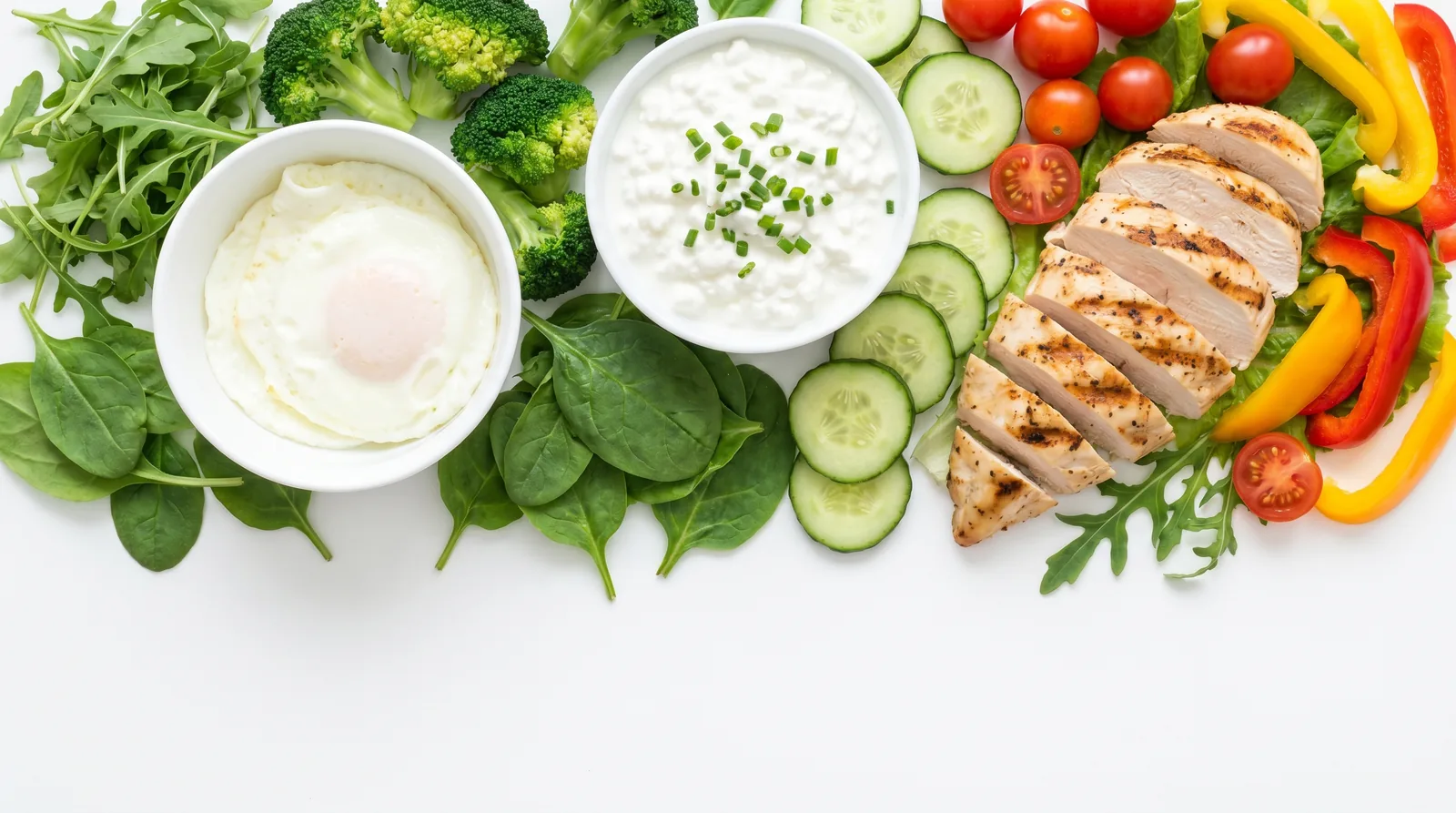
Yes, protein shakes are OK on tirzepatide — and on semaglutide they are arguably the single most useful thing you can put in your body while the drug suppresses your appetite. If you are eating somewhere between 600 and 900 calories a day because food simply does not interest you anymore, you are in a caloric deficit deep enough that your body will start breaking down muscle for amino acids unless you give it a reason not to. Protein is that reason.
Protein shakes are safe and recommended on tirzepatide (Mounjaro, Zepbound) and semaglutide (Ozempic, Wegovy). They help offset the muscle loss that accompanies rapid weight loss at very low calorie intake. Most clinicians suggest 1.2–1.6 g of protein per kilogram of body weight per day; a 70 kg adult needs roughly 84–112 g. Because appetite is blunted, a small shake delivering 25–30 g per serving is often the most tolerable way to reach that target.
- You are eating 600–900 calories a day not by willpower but because hunger has simply switched off
- The scale is dropping fast, and a quiet part of you wonders if some of that is muscle
- No one at the clinic warned you that losing weight quickly at low protein intake speeds up muscle breakdown
- Dose-titration weeks bring nausea that makes the thought of a chicken breast unbearable
“I lost 28 pounds in four months and felt fine. Then my grip strength went, and I realized no one had ever mentioned protein.”
Here is the part that gets left out of the prescribing conversation. Rapid weight loss is never purely fat. The body, when energy intake drops far below expenditure, draws on both fat stores and lean tissue. The proportion lost as muscle depends heavily on two things: how much protein you eat, and whether you are loading those muscles at all. A survey of GLP-1 users found that 74% were already seeking out high-protein or protein-fortified products, which suggests the instinct is correct even when the medical advice is silent (Food Business News, 2025). The challenge is not whether to eat protein. It is how to physically get it down when the drug has removed your appetite.
What Makes Protein Harder on a GLP-1 Drug
These medications work, in large part, by mimicking the gut hormone GLP-1, which slows gastric emptying and signals fullness. That mechanism is exactly what makes weight loss possible. It is also what turns ordinary protein targets into a daily logistics problem. Three specific constraints stack on top of each other.
Appetite Suppression Makes High-Volume Eating Impossible
Standard protein advice assumes you can eat. “Just add a chicken breast and some Greek yogurt” presumes an appetite you no longer have. When fullness arrives after three bites, the volume of whole food required to hit 100 g of protein becomes physically impossible. This is why protein per calorie — not protein per meal — becomes the number that matters. You want the most protein you can extract from the few hundred calories you can actually tolerate.
Nausea During Dose Titration Limits Protein-Heavy Meals
Every dose increase tends to bring a fresh wave of nausea, and protein-dense whole foods — red meat especially — are often the first things that turn the stomach. During these weeks, a small liquid serving you can sip slowly is frequently the only protein you will keep down. A shake of 25–30 g, taken in small amounts across an hour, sidesteps the volume and the smell that solid protein meals carry. It disappears into your food, or into a glass of water, without demanding much of you.
Rapid Fat Loss Without Adequate Protein Costs You Muscle
Protein status is measured by nitrogen balance: a negative balance signals a catabolic state, where the body is breaking down more tissue than it builds. Deep caloric restriction pushes you toward that negative balance, and inadequate protein deepens it. Research on energy and protein restriction shows it measurably lowers circulating IGF-I and alters its binding proteins — markers tied to tissue maintenance (PMID:7531712). Lose muscle now and you also lower your resting metabolic rate, which makes keeping the weight off harder later. The muscle you protect on the way down is the metabolism you keep.
What Actually Works for GLP-1 and Tirzepatide Users
The strategy is not complicated, but it inverts the usual advice. Instead of “eat more,” the goal is “concentrate more.” Three principles do most of the work.
Maximize protein per calorie. A protein isolate gives you roughly 25–30 g of protein in a serving of about 100–120 calories. Compare that with trying to reach the same protein from whole food on a suppressed appetite, and the math settles the argument. Egg whites are another concentrated option — four egg whites carry 13 g of protein and almost nothing else (Cleveland Clinic, 2025). The point is density: when your daily calorie ceiling is low, every gram should pull its weight.
Choose leucine-rich, complete sources. Muscle protein synthesis is triggered largely by the amino acid leucine crossing a threshold. Whey is the reference standard here — its rapid digestion and high leucine content stimulated muscle protein accretion more effectively than casein in older men (PMID:21367943), and 30 g of whey after resistance exercise raised myofibrillar protein synthesis where the same dose of collagen did not (PMID:37202878). Among plant options, potato protein isolate is a genuine standout: a 2020 trial found that 25 g of potato protein isolate taken twice daily stimulated muscle protein synthesis at rest and after exercise in young women, performing as a high-quality anabolic source (Nutrients, PMID:32349353). For a dairy-free user who cannot tolerate whey, that matters.
Keep servings small and frequent. Rather than one large shake your stomach rejects, split protein into smaller tolerable doses through the day. This suits the slowed gastric emptying, keeps amino acids available, and reduces the nausea that a single big serving provokes during titration. If you want the broader framework for protein during weight loss — deficit size, distribution, timing — our pillar on protein for weight loss lays it out.
One more thing the prescription rarely mentions: protein alone does not preserve muscle. It must be paired with some form of resistance loading. Even light, regular strength work tells the body which tissue to keep. Without that signal, no amount of protein fully prevents lean-mass loss. And because this audience skews older, the issue of anabolic resistance — the blunted muscle response to protein that comes with age (PMID:23558692) — is real and worth reading about. Many GLP-1 users are also navigating midlife muscle changes, which is why our guide to protein after 40 is a useful companion to this one.
A Note on What’s Actually in the Shake
If you are going to lean on a protein shake daily, the ingredient list deserves a glance. The Clean Label Project’s 2025 Protein Study 2.0 tested 160 products and found 47% exceeded at least one federal or state safety standard, with plant-based powders averaging five times more cadmium than whey-based ones (Clean Label Project, 2025). Consumer Reports, testing 23 products in October 2025, found more than two-thirds carried more lead per serving than its own safe daily limit. None of this means avoid plant protein — it means know your source and look for third-party testing. This is part of why a single-ingredient powder appeals to this audience: fewer inputs, nothing to second-guess.