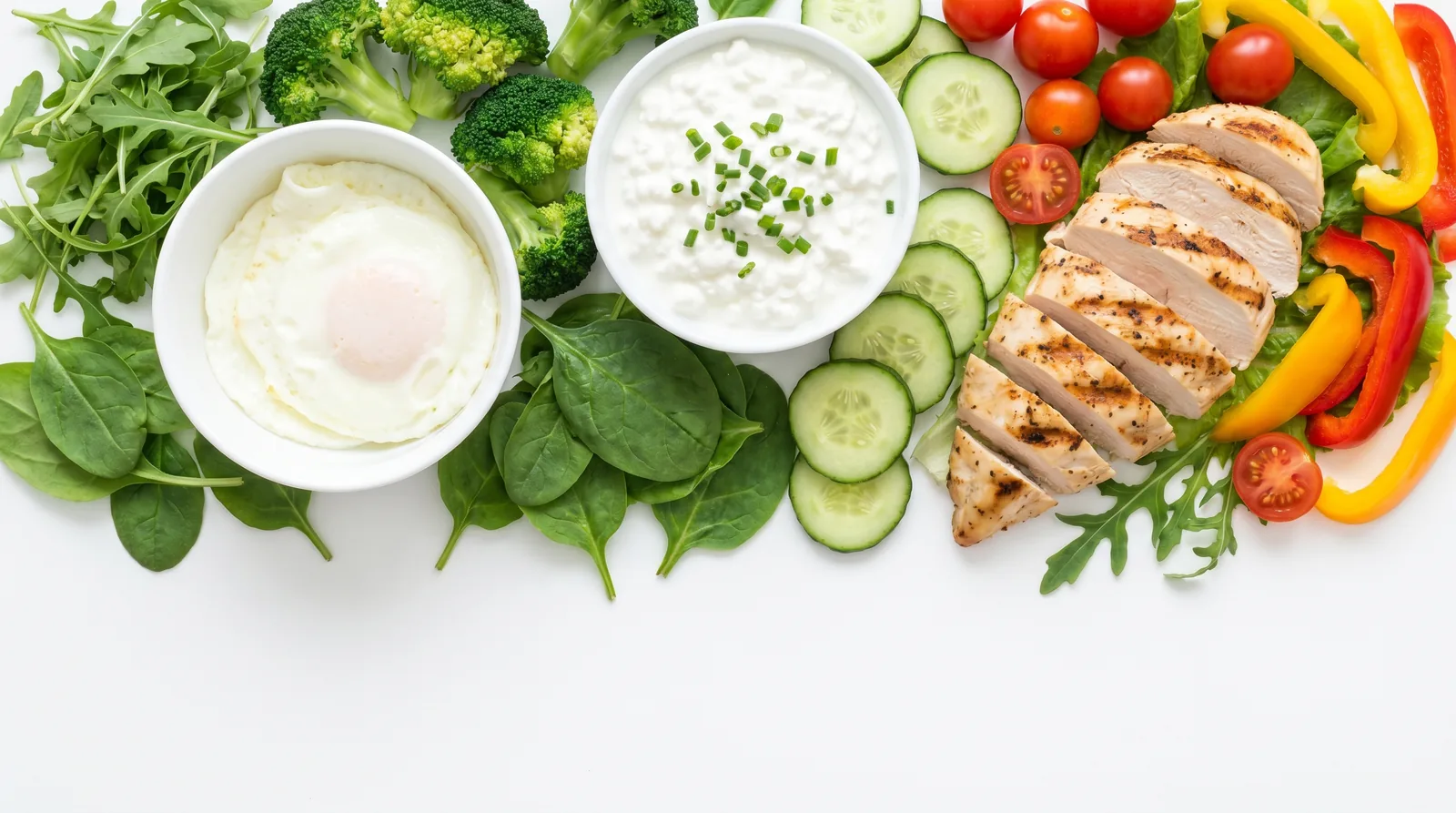
Yes, you can build a 1200 calorie high protein diet meal plan that reaches 100g of protein — and the reason is straightforward arithmetic. Protein carries 4 calories per gram, so 100g of protein accounts for exactly 400 calories, leaving roughly 800 calories for everything else on the plate. The plan only works if most of those 400 protein-calories come from foods that bring little else along with them.
To hit 100g of protein under 1200 calories, anchor each meal with a lean, low-calorie protein and close any shortfall with a single-ingredient isolate. Half a cup of egg whites gives 13g of protein with no saturated fat; 113g of 1% cottage cheese gives 14g for 81 calories; chicken breast is among the highest protein-per-calorie whole foods. Spread the 100g across four or five meals at 25–30g each, and spend the remaining ~800 calories on high-volume vegetables and fruit.
This is a high-protein, calorie-restricted approach, and it is realistic for most adults in a deliberate fat-loss phase. If you want the broader rationale for why protein leads the way during weight loss, read our pillar on protein for weight loss before you start. Below is the build.
By the end of these six steps you will have a repeatable day of eating that lands at 100g of protein for under 1200 calories — without weighing yourself into misery. What you need: A kitchen scale · A few lean protein staples · A single-ingredient protein isolate · A free macro tracker · Time: 20 min to plan
Steps to Build the Plan
Do the math before you touch food
Protein contains 4 calories per gram, so 100g of protein costs exactly 400 calories. Subtract that from your 1200-calorie ceiling and you have about 800 calories left for fats, carbohydrates, vegetables, and seasoning. That 800 is your entire discretionary budget. The single most common reason people miss the target is spending protein-calories on foods that drag fat and refined carbohydrate along with them — fatty cuts of meat, full-fat cheese, granola. Decide upfront that your protein sources will be lean by default.
Example: 100g protein (400 cal) + 800 cal of vegetables, fruit, a little olive oil, and one starch = a full, satiating day at 1200.
Anchor every meal with a lean protein
Lean proteins deliver the most grams per calorie, which is the whole game here. Chicken breast is cited by registered dietitians as one of the best high-protein, low-calorie foods. Half a cup of liquid egg whites (from a carton) provides 13g of protein and is almost entirely protein with no saturated fat (Cleveland Clinic, 2025). 113g of 1% cottage cheese provides about 14g of protein for 81 calories (USDA FoodData Central). Build the skeleton of your day from these before you add anything else.
This is not only a numbers exercise. High-protein meals increase satiety and thermogenesis more than standard-protein meals (Journal of the American College of Nutrition, 2004, PMID:15466943), and protein reduces subsequent energy intake more than carbohydrate or fat (PMID:18469287). On a 1200-calorie ceiling, that hunger control is the difference between finishing the day and abandoning it.
Close the gap with a single-ingredient isolate
Whole foods alone often leave you 20–30g short by evening, usually because adding more chicken or cottage cheese also adds calories you no longer have. A protein isolate solves this: almost every calorie is protein. A 25g serving of potato protein isolate is the dose used in a 2020 study where 25g twice daily stimulated muscle protein synthesis at rest and after exercise in young women (Nutrients, PMID:32349353). Potato protein isolate runs 80–95% protein on a dry basis, and it is a low-FODMAP source (Monash University, 2019), which matters if your stomach is sensitive.
It disappears into your food — mix it into the cottage cheese, blend it into a shake, or stir it into oats. If you want help choosing, our guide to the lowest-calorie protein powders walks through what to read on the label.
Tip: Two 25g isolate servings can cover up to half of your 100g target for a small fraction of the calorie budget, freeing your whole-food choices for foods you actually want to chew.
Spend the remaining 800 calories on volume
With protein locked in, the rest of the budget should go to foods that fill the plate and the stomach: leafy greens, broccoli, peppers, zucchini, berries, and a single measured starch if you want one. These bring fiber and water, which add fullness without crowding out protein. Keep added fats deliberate — a tablespoon of olive oil is roughly a tenth of your remaining calories, so measure it rather than pour.
This is where most calorie-restricted plans either succeed or quietly fail. If the 800 calories go to dense, low-volume foods, you finish the day hungry and over budget. If they go to high-volume produce, you finish full.
Pitfall: Liquid calories are the silent budget killer. A latte, a juice, or a smoothie with fruit and nut butter can erase 250 of your 800 discretionary calories before lunch. Drink water, black coffee, or tea, and eat your fruit whole.
Distribute the 100g across four or five meals
Do not try to eat 100g in two sittings. Spread it into 25–30g doses across the day. A proposed dietary plan for preventing sarcopenia recommends 25–30g of high-quality protein per meal (Journal of Clinical Medicine Research, 2015, PMID:26566405), and a case has been made that the distribution of protein across meals may matter as much as the total for maintaining muscle (J Frailty Aging, 2016, PMID:26980369). Four meals of 25g, or three meals of 30g plus a 10–15g snack, both land you at roughly 100g.
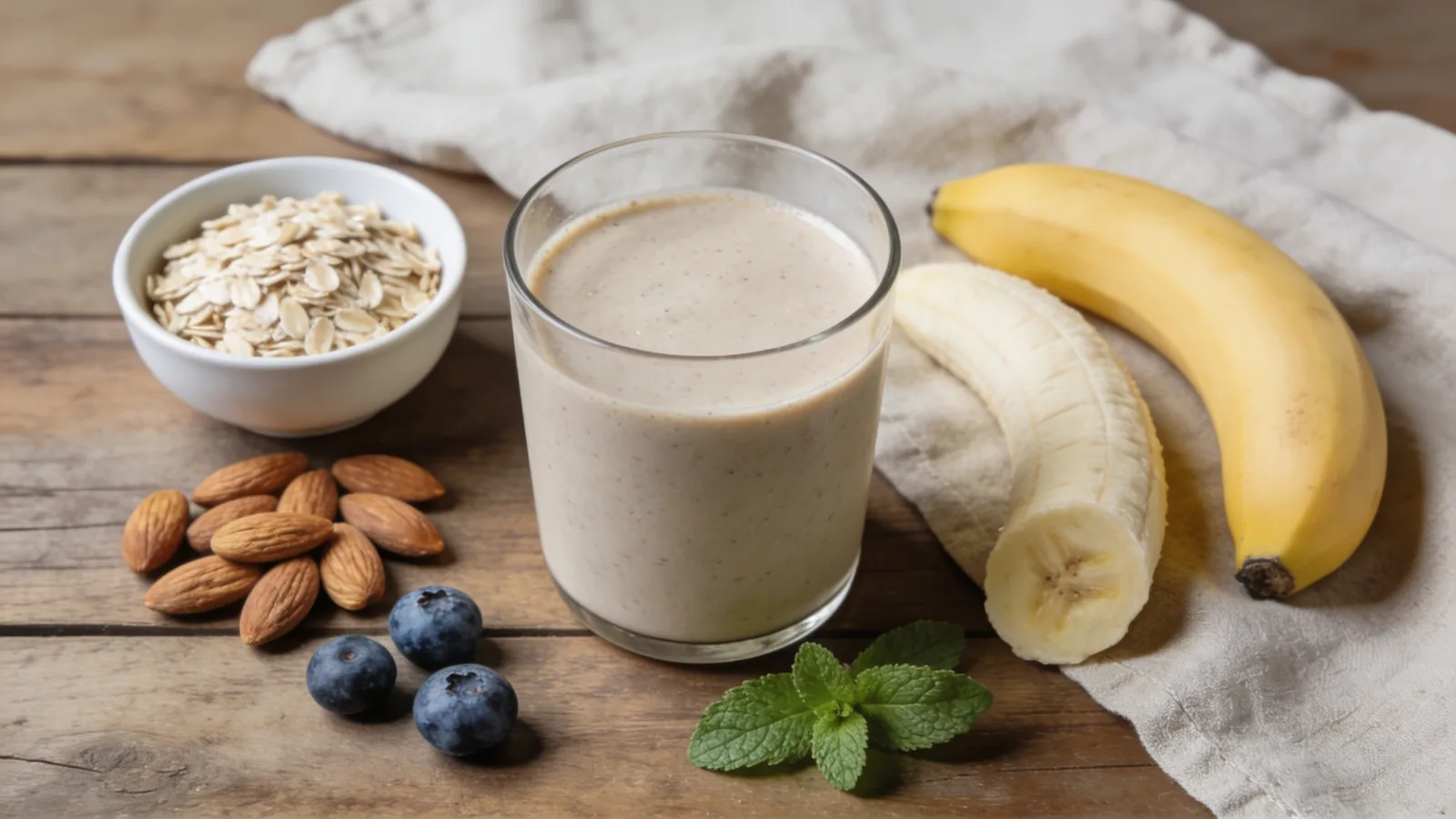
A sample distribution: a potato protein isolate shake at breakfast (25g), egg whites and vegetables at lunch (13g plus a second protein), cottage cheese as an afternoon meal (14g), and chicken breast with greens at dinner. Add a second 25g isolate serving wherever the day runs short. For more breakfast tactics, see how to get 30g of protein at breakfast.
Track for three days, then adjust
Log everything for three days using a kitchen scale and a free macro tracker. You are confirming two things: that protein lands at or near 100g and that total calories stay under 1200. Protein status is formally assessed through nitrogen balance, where a positive balance indicates an anabolic state and a negative balance a catabolic one — a useful mental model for why hitting the protein number while cutting calories protects muscle. If you consistently run hungry, the fix is almost always more volume vegetables, not more calories. If you run short on protein, add an isolate serving rather than a fattier protein.
For the underlying target math across different body weights, our walkthrough on how much protein on a 1200-calorie diet shows how 100g fits most adults in a cut.
Checklist
- Reserved 400 of 1200 calories for 100g of protein.
- Chose lean, low-calorie protein anchors (egg whites, 1% cottage cheese, chicken breast).
- Added one or two 25g isolate servings to close the gap.
- Spent the remaining ~800 calories on high-volume vegetables and fruit.
- Split protein into 25–30g doses across four or five meals.
- Tracked three days with a scale and adjusted for hunger or shortfall.