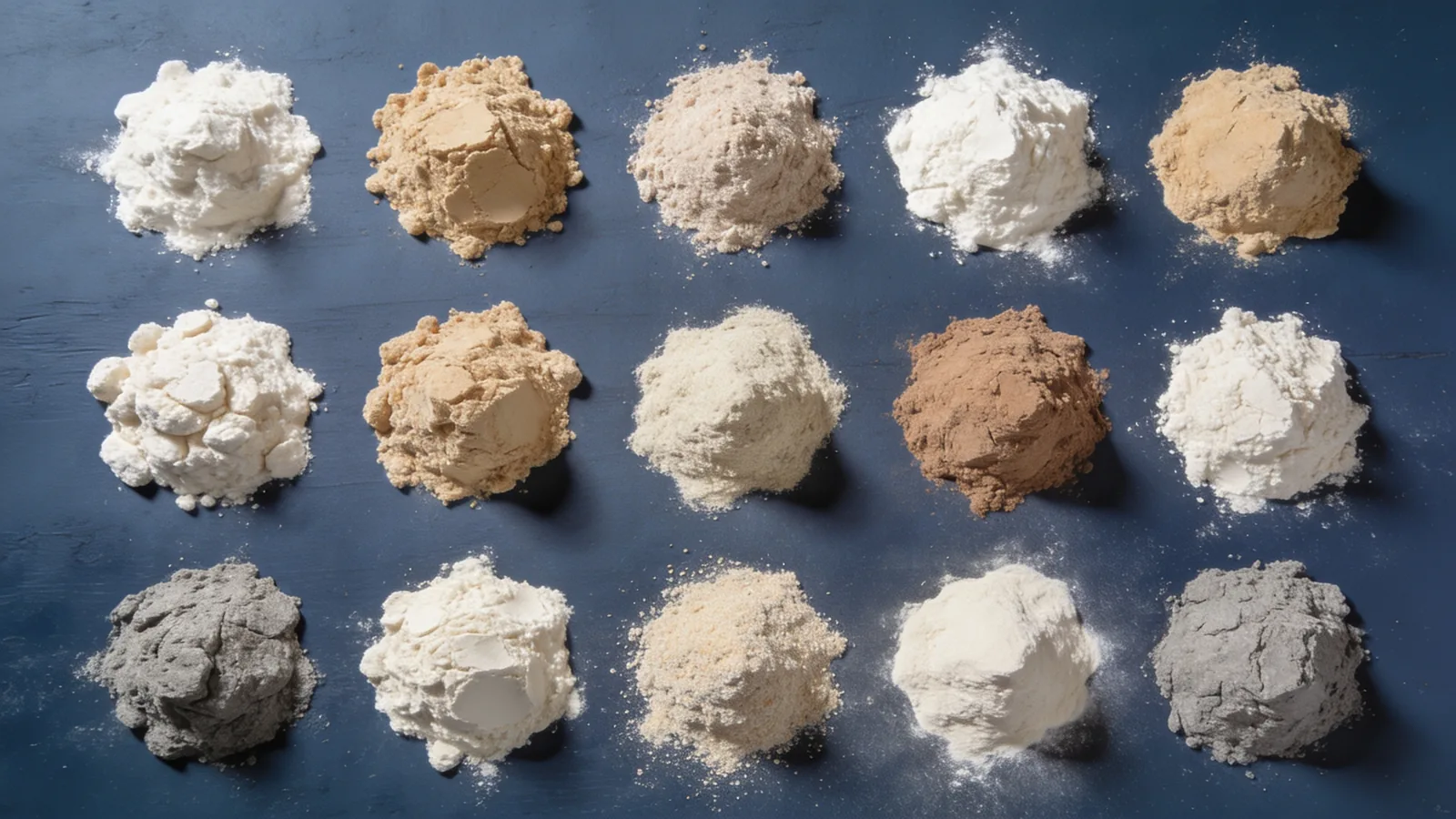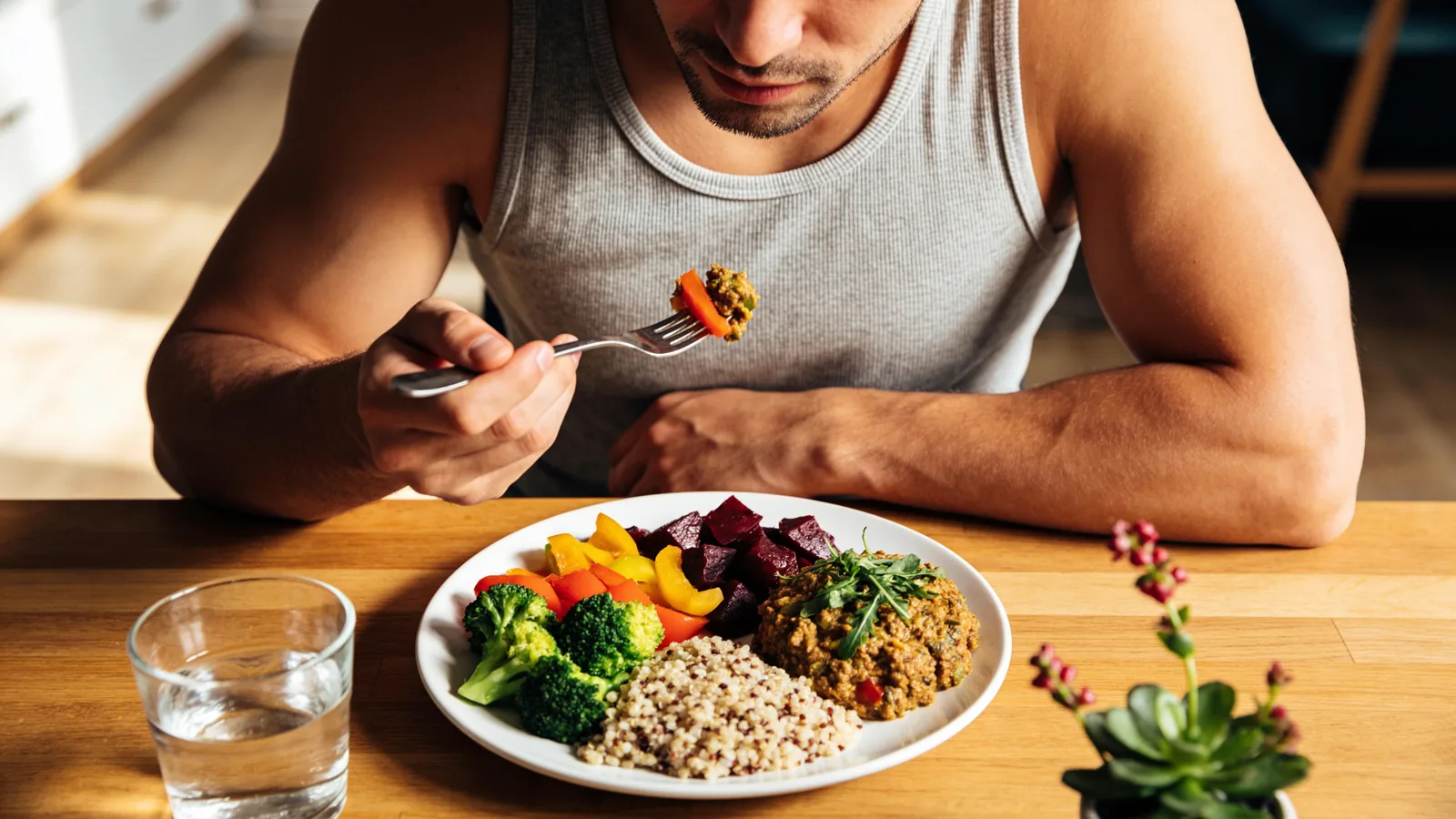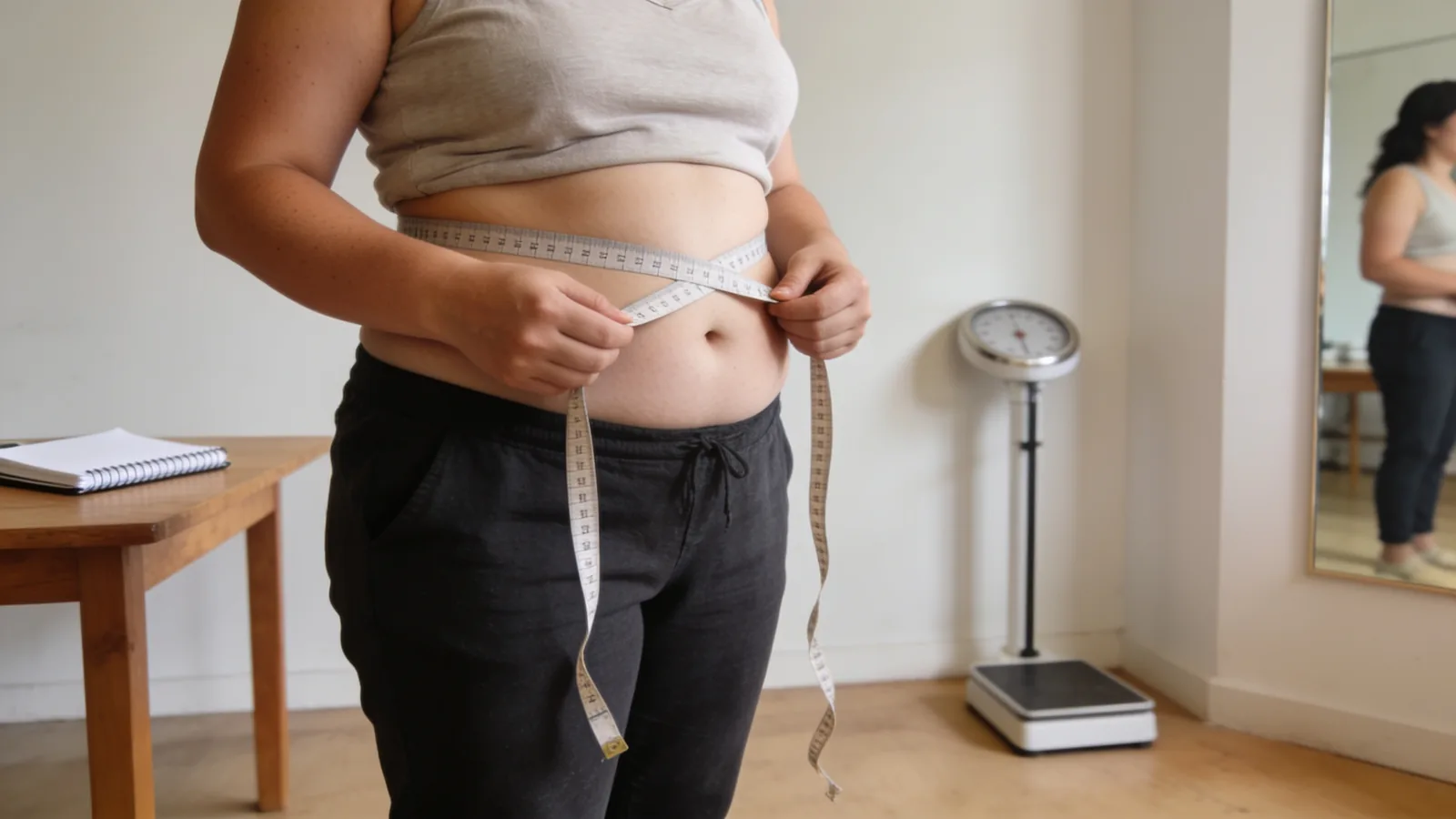
Potato protein isolate is 80–95% protein by dry weight, which is the entire case for potato protein weight loss: a high amount of complete protein delivered in very few calories. It carries all nine essential amino acids, a PDCAAS of 0.92–1.00, and a DIAAS reported as high as 100% — figures that place it alongside several animal proteins rather than behind the usual plant options. None of this burns fat directly. What it does is make a calorie deficit easier to sustain.
That distinction matters. No protein powder causes weight loss. A calorie deficit causes weight loss, and the right protein makes the deficit survivable — by keeping you full, protecting the muscle you would otherwise lose, and not smuggling extra calories into your day. Potato protein happens to do all three without the lactose, gums, or sweeteners that bulk out many products on the shelf.
Why Protein Density Per Calorie Matters in a Deficit
When you cut calories, every gram of protein has to earn its place. Protein is the macronutrient that preserves lean mass during weight loss and produces the highest thermic effect — the energy your body spends digesting it. A 2004 review in the Journal of the American College of Nutrition concluded that high-protein meals increase both satiety and thermogenesis more than standard-protein meals (PMID: 15466943).
The practical metric is not “how many calories per scoop” but “how many calories per gram of protein”. A protein that arrives wrapped in added sugar, maltodextrin, or oil costs you more calories for the same protein. A single-ingredient isolate keeps that ratio low because almost every calorie comes from the protein itself. This is the same logic that drives the broader case for protein for weight loss: hit your target, spend as few calories as possible doing it.
It is also why protein quality, not just quantity, belongs in the conversation. A complete protein spares you from eating more total food to assemble a full amino acid profile. Potato protein isolate is complete, so the grams you count are grams that actually do the work.
How Does Potato Protein Compare to Other Proteins Per Calorie?
Potato protein isolate provides a high amount of complete protein per calorie because it is 80–95% protein by dry weight with no added carbohydrate or fat, and it scores 0.92–1.00 on PDCAAS. Whey isolate is similarly concentrated at 90–95% protein, while whey concentrate carries more lactose and carbohydrate, lowering its protein-per-calorie ratio.
| Protein source | Protein (% dry weight) | PDCAAS | DIAAS | Low-FODMAP | Top-9 allergen |
|---|---|---|---|---|---|
| Potato protein isolate | 80–95% | 0.92–1.00 | up to 100% | Yes | No |
| Whey isolate | 90–95% | — | 94–100 | Lower lactose than concentrate | Milk |
| Whey concentrate | Lower than isolate | — | — | Higher lactose | Milk |
| Soy protein isolate | — | — | ≥100 | — | Soy |
Source notes: potato protein is characterised as a high-quality, allergen-free protein with an amino acid score of 65% per Food Research International (PMID: 34507729); PDCAAS figures reflect reported isolate ranges; DIAAS up to 100% per Herreman et al., Food Science & Nutrition, 2020 (PMID: 33133540); whey isolate composition per mindbodygreen (Adam Meyer, 2023); whey concentrate vs isolate lactose per Monash University FODMAP; low-FODMAP status of potato protein per Monash University (2019). Reliable single PDCAAS figures for whey isolate are not established here, so those cells are left as em-dashes.
The honest read of that table: whey isolate is potato protein’s nearest equal on protein density and quality. Where the two diverge is allergens and digestibility, which the next sections cover. For a wider comparison across products, the best protein powder guide sets out how to weigh these traits against price and taste.
Does Potato Protein Keep You Full?
Potato protein contributes to fullness because protein is the most satiating macronutrient, and a complete protein in few calories is well suited to appetite control during a deficit. The 2004 Journal of the American College of Nutrition review found high-protein meals increase satiety more than standard-protein meals (PMID: 15466943). The caveat is that satiety depends partly on total protein intake, not on any single source being uniquely filling.
In other words, potato protein helps you feel full mainly by helping you reach a higher protein intake, not through a special mechanism of its own. A scoop blended into a shake, oatmeal, or soup raises the protein content of a meal you were going to eat anyway, and the meal becomes more satisfying as a result. Because the isolate is unflavored and dissolves into most foods, it disappears into your food rather than forcing a separate “protein shake” habit.
Potato Protein and Appetite Hormones
Here potato protein holds up well. A 2021 acute crossover study in Nutrients compared whey, rice, and potato protein isolates and found no significant difference in subjective appetite ratings between the three. It did find that potato protein produced a lower insulinaemic response and better glucose maintenance than whey, which raised insulin and glucose more sharply (PMID: 34201703). The study did not measure GLP-1 or single out any protein as uniquely filling.
So on appetite, the proteins were comparable, and potato protein had the milder glycaemic and insulin response. If you need a complete protein that is dairy-free, allergen-friendly, and easy on digestion, potato protein gives up little on appetite control. Credibility requires saying so plainly.
Why Low-FODMAP Matters for Weight Loss
Potato protein is a low-FODMAP protein source, per Monash University (2019), which means it is unlikely to cause the gas and bloating that drive many people to abandon a protein habit. Whey concentrate, by contrast, carries lactose — a FODMAP — because, as Monash explains, concentrates undergo less processing than isolates and retain more carbohydrate. Whey isolate strips most of that lactose out, but concentrate-based products keep it.
This is not a weight-loss claim; it is an adherence claim. A protein that leaves you bloated is a protein you will stop using, and the supplement you abandon does nothing for your deficit. People with sensitive digestion, IBS, or simple lactose intolerance often find a low-FODMAP isolate is the difference between a routine they keep and one they drop after a week. The common protein problems guide goes deeper on why digestive tolerance, not just macros, decides whether a protein actually works for you.
Protecting Muscle While You Lose Fat
The goal of weight loss is fat loss, not weight loss for its own sake — and that distinction lives or dies on muscle. In a deficit, the body will break down lean tissue for energy unless adequate protein and a training stimulus tell it not to. Potato protein isolate can support that defense: a 2020 study in Nutrients found that 25 g of potato protein isolate twice daily stimulated muscle protein synthesis at rest and with resistance exercise in young women (PMID: 32349353).
That matters even more on GLP-1 medications such as semaglutide and tirzepatide, where appetite suppression is profound and rapid weight loss can strip muscle along with fat. Keeping protein intake high is the single most-cited defense, and a complete, easily digested protein is easier to get down when appetite is low. We cover the specifics in protein shakes on GLP-1 / tirzepatide.
A common worry about higher protein intake is the kidneys. In healthy adults the concern is not supported: a 2018 systematic review and meta-analysis of 28 trials and 1,358 participants found no difference in glomerular filtration rate between higher- and lower-protein diets (PMID: 30383278). People with existing kidney disease are a separate case and should follow medical guidance.
The Single-Ingredient Advantage
The clearest weight-loss benefit of potato protein has nothing to do with metabolism and everything to do with the label. The product is one ingredient: potato protein isolate. There are no added sugars, no maltodextrin, no creamers, and no calories arriving in disguise. When you count the macros on a single-ingredient isolate, the number on the tub is the number you actually eat.
Many weight-loss-marketed powders do the opposite — they pad the formula with fillers, gums, and sweeteners, then advertise “low calorie” while burying ingredients you have to squint to identify. You never have to squint to read this ingredient label, because there is only one line. That simplicity also makes potato protein an allergen-free protein option: it is not among the top-nine allergens, so it suits dairy-free, soy-free, egg-free, and nut-free diets without compromise.
If you want the full background on how the isolate is made and why a single ingredient is the entire strategy, start with what is potato protein. For the broader principle that fewer ingredients beats more, the protein powder without junk ingredients guide lays out what to avoid.
How to Use Potato Protein in a Calorie Deficit
Use potato protein to close the gap between the protein you eat and the protein you need — roughly the amount that keeps you full and protects muscle on fewer total calories. Practical targets are covered in how much protein per day to lose weight. Most people in a deficit do best landing protein high relative to their reduced calorie intake.
A few low-effort applications:
- Stir a scoop into Greek yogurt, oatmeal, or a smoothie to raise a meal’s protein without adding sugar or fat.
- Blend it into soups, mashed cauliflower, or savory dishes, where its neutral profile disappears.
- Use it as a between-meal option when hunger hits and you want protein, not calories.
Pair the protein with whole foods rather than treating it as a replacement for them; the high protein low calorie foods list pairs well with a single scoop. And keep the expectation honest. Potato protein does not “burn belly fat” — no protein does, as we explain in does protein powder help you burn belly fat. What it does is make a sustained deficit easier to hold, with fewer calories spent, less muscle lost, and less digestive disruption along the way. That is the realistic, and genuinely useful, role.