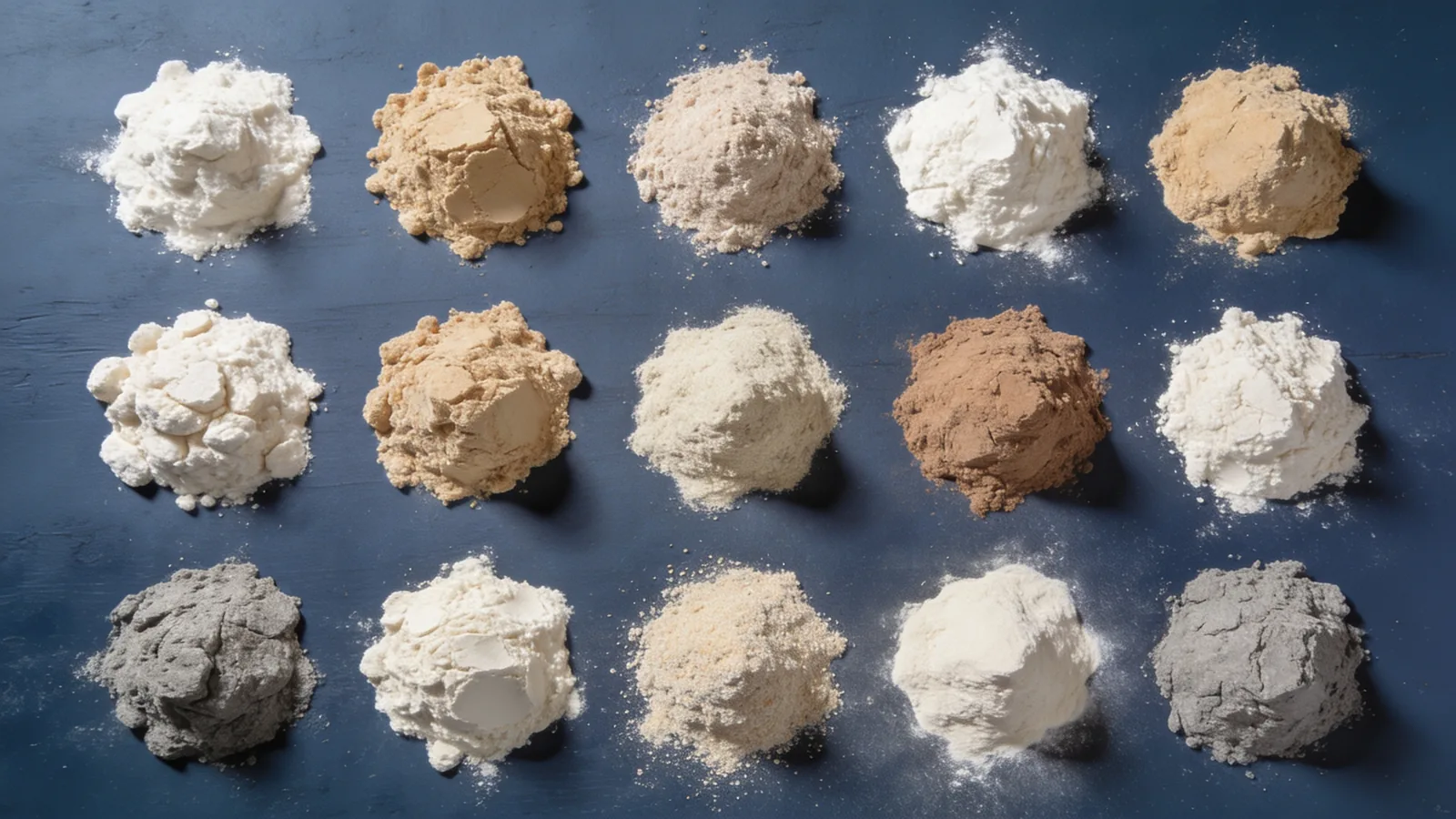
Potato protein benefits rest on four things the evidence actually supports: it stimulates muscle protein synthesis, it contains all nine essential amino acids, it sits outside the FDA’s major allergen categories, and it is low-FODMAP. None of these is marketing. Each has a published study behind it, and where the evidence is thin or where whey does something better, this guide says so.
Potato protein isolate is extracted from potato fruit juice, a byproduct of starch production, and concentrated to roughly 80–95% protein by dry weight. What follows is what that protein does, what it does not do, and how it compares to the alternatives. For the foundational chemistry, see what is potato protein.
Does Potato Protein Build Muscle?
Yes. A 2020 trial published in Nutrients found that 25g of potato protein isolate consumed twice daily increased muscle protein synthesis rates in young women, while a placebo did not (Oikawa et al., 2020). That result places potato protein among plant proteins capable of supporting muscle maintenance, with protein-quality scores comparable to several animal proteins.
The study, led by Stuart Phillips’s group at McMaster University, is the strongest single piece of evidence for potato protein in humans. The researchers concluded that potato protein isolate is a high-quality plant-based source that effectively stimulates muscle protein synthesis. A separate 2022 analysis reached the same conclusion: potato protein ingestion is effective at increasing synthesis rates at rest and during recovery from exercise (Medicine & Science in Sports & Exercise, 2022).
There is one honest caveat from the same 2020 trial. In the leg that had performed resistance exercise, the added protein produced no measurable benefit beyond what the exercise alone delivered. In other words, potato protein clearly raised synthesis at rest, but the data did not show an additive effect on top of training in that session. That is a narrow finding, not a disqualifier, and it is the kind of nuance most benefit lists skip.
How much you need to build muscle, regardless of source, is covered in how much protein per day for muscle gain.
Is Potato Protein a Complete Protein?
Yes. Potato protein isolate contains all nine essential amino acids and carries a DIAAS reported as high as 100% (Food Science & Nutrition, 2020), alongside a PDCAAS in the 0.92–1.00 range. Those quality scores sit on par with several animal proteins, even though plant proteins generally score lower than animal proteins on these metrics.
Protein quality is measured two ways. The older PDCAAS caps its score at 1.00, so any high-quality protein hitting the ceiling looks identical to egg. The newer DIAAS does not truncate, which is why potato protein’s reported value of up to 100% is meaningful — it can match or approach whey isolate (typically 94–100%) and soy isolate (≥100%). The difference between these two scoring systems, and why the newer one matters, is explained in DIAAS vs PDCAAS.
| Protein source | PDCAAS | DIAAS | Major-allergen (FDA Big 8)? |
|---|---|---|---|
| Potato protein isolate | 0.92–1.00 | up to 100% | No |
| Whey protein isolate | — | 94–100 | Yes (milk) |
| Egg white | 1.00 | — | Yes (egg) |
| Soy protein isolate | — | ≥100 | Yes (soy) |
| Wheat gluten | 0.25 | — | Yes (wheat) |
Source: egg and wheat gluten PDCAAS from Schaafsma G., Journal of Nutrition, 2000 (PMID 10867064); potato protein DIAAS from Herreman et al., Food Science & Nutrition, 2020 (PMID 33133540). Cells without an established, verified value are left as em-dashes.
The one place whey leads on composition: whey protein isolate contains 43% essential amino acids versus 37% in potato protein isolate (Amino Acids, 2018). That higher essential-amino-acid and leucine content is partly why whey digests fast and stimulates synthesis quickly. For a fuller side-by-side, see potato protein vs whey and is potato protein high quality.
Is Potato Protein Allergen-Free?
Potato is not among the FDA’s Big 8 major food allergens, and the protein is Generally Recognized As Safe. A 2021 review in Food Research International describes potato protein as a high-quality, allergy-free source. The single exception: anyone with a diagnosed potato allergy should avoid it, because the allergen is still present after extraction.
This is the benefit that matters most to the allergy parent and the autoimmune-aware adult. The Big 8 — milk, eggs, fish, shellfish, tree nuts, peanuts, wheat, and soybeans — account for the large majority of food-allergic reactions. Potato protein belongs to none of those categories. For a child who cannot have dairy, eggs, nuts, or soy, a single-ingredient potato protein removes the most common reactive inputs at once. See the broader allergen-free protein guide for how the categories compare.
The honest qualification: “allergy-free” is a population-level statement, not an individual guarantee. A 2018 murine study identified patatin and a 53kDa protein as the potential allergens in potato (Molecular Immunology, 2018). The Center for Research on Ingredient Safety at Michigan State University is explicit — if you have a potato allergy, you should not consume potato protein, as the allergen remains. Potato allergy is uncommon, but it exists, and we will not pretend otherwise. If you react to multiple powders, read can you be allergic to protein shakes.
Is Potato Protein Low-FODMAP?
Yes. Monash University classifies potato protein as a low-FODMAP protein source (Monash FODMAP, 2019). That makes it a reasonable option for people with IBS or general sensitivity to the bloating that dairy-based powders can cause.
The contrast with dairy is the practical point. Monash explains that whey protein concentrate is lower in protein and higher in carbohydrates like lactose, while isolates undergo more extensive processing and carry less of that FODMAP lactose. Potato protein isolate contains no dairy sugars at all, which is why it tends to sit well for people whose digestion objects to whey concentrate. If digestive trouble is your main issue with protein powders, common protein problems and protein powder and gut health go deeper.
One related distinction worth naming: in a 2021 comparison, whey protein produced a greater GLP-1 response than potato protein, attributed to differences in amino acid profile — specifically lower glutamine in potato protein (Nutrients, 2021). GLP-1 is tied to satiety signaling, so if appetite suppression is your priority, that is a point in whey’s column. Gentleness and appetite are not the same axis.
The Single-Ingredient Argument
The simplest benefit is the one on the label. One ingredient. There is no flavor system, no gum, no sweetener blend, and nothing for an autoimmune-aware reader to cross-reference against a reaction.
This matters because protein powders are among the most additive-heavy products in the supplement aisle. Stripping the formula to a single isolate means the only thing to evaluate is the protein itself. You never squint to read your ingredient label, because there is one line on it. For most uses, it disappears into food — oatmeal, soup, baked goods — without announcing itself. How to actually use it is covered in how to use potato protein powder.
Honest Limitations
Potato protein is not the right tool for every job, and a benefits guide that ignores trade-offs is not worth reading.
- Lower essential amino acids than whey. 37% versus 43% (Amino Acids, 2018). For a young athlete chasing the fastest possible post-workout stimulus, whey still has an edge. Older adults losing muscle should read protein after 40.
- Slower digestion and a less pronounced satiety signal. Whey produced a greater GLP-1 response in the 2021 comparison (Nutrients, 2021).
- Taste and texture. Native potato protein can be bitter and is not always highly soluble; this is a real formulation challenge, not a marketing one. Enzymatic and processing methods improve solubility, but unflavored potato protein is an acquired neutrality, not a treat.
- The exercised-leg finding. In the 2020 trial, added potato protein showed no benefit beyond exercise alone in the trained leg (Nutrients, 2020).
- Potato allergy. A genuine exclusion, covered above.
On the recurring worry about daily protein and kidneys: a 2018 systematic review of 28 trials and 1,358 participants found that the change in glomerular filtration rate did not differ between higher- and lower-protein diets in healthy adults (Devries et al., The Journal of Nutrition, 2018). This is general protein context, not a claim specific to potato protein, and it does not apply to people with diagnosed kidney disease, who follow restricted intakes under medical supervision. Whether potato protein is right for your situation is the question taken up in is potato protein good for you.
Who Potato Protein Suits Best
The clearest fit is someone who needs a high-quality protein without dairy, soy, egg, or gluten, who values a short ingredient list, and who is willing to trade a small amount of whey’s amino-acid density for a cleaner allergen profile. That describes a large share of label-readers — the allergy parent, the autoimmune-aware adult, and anyone who has decided the formula matters as much as the macro. For the muscle-specific case, protein for women over 50 connects these benefits to the population most affected by under-eating protein.