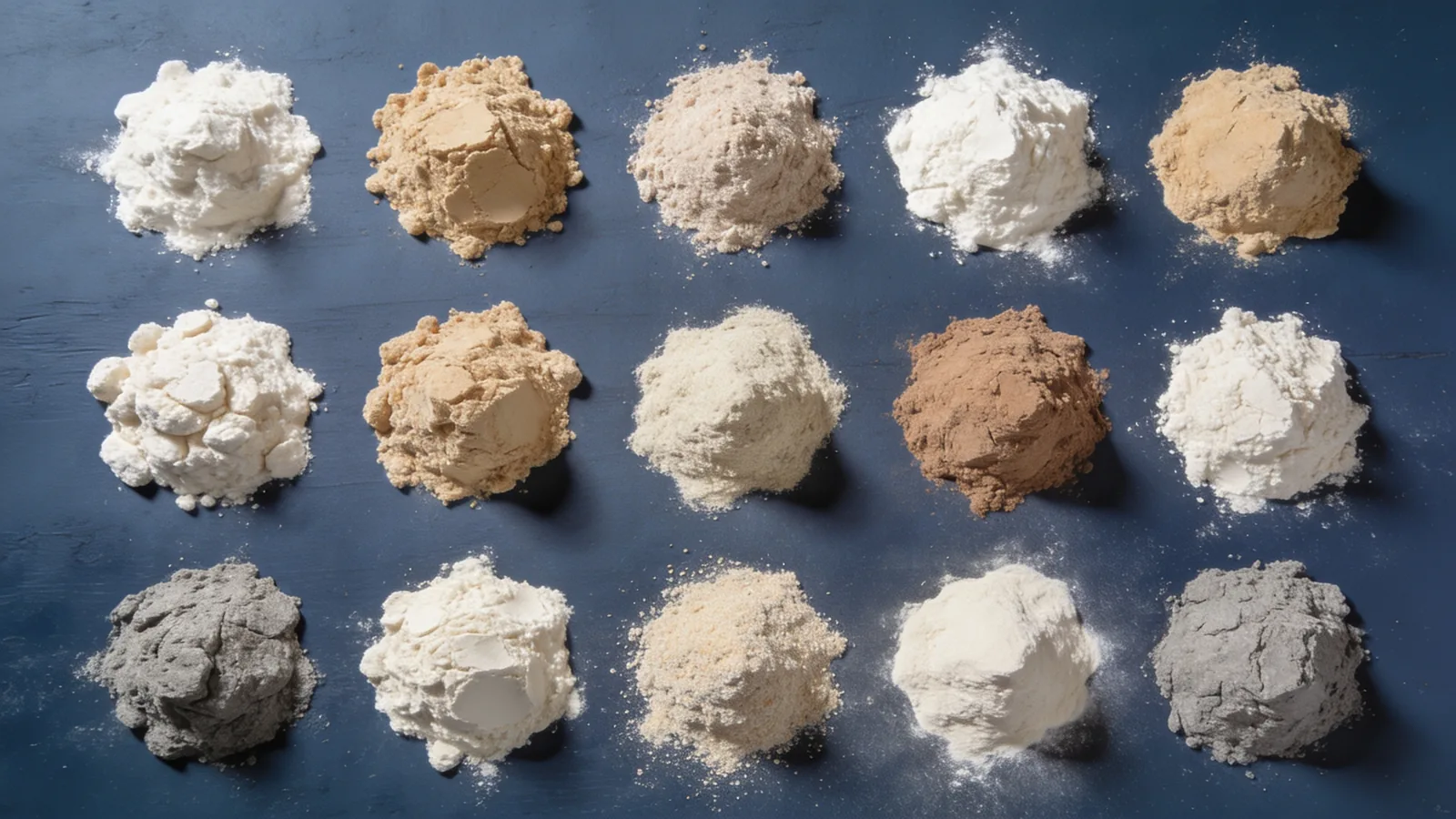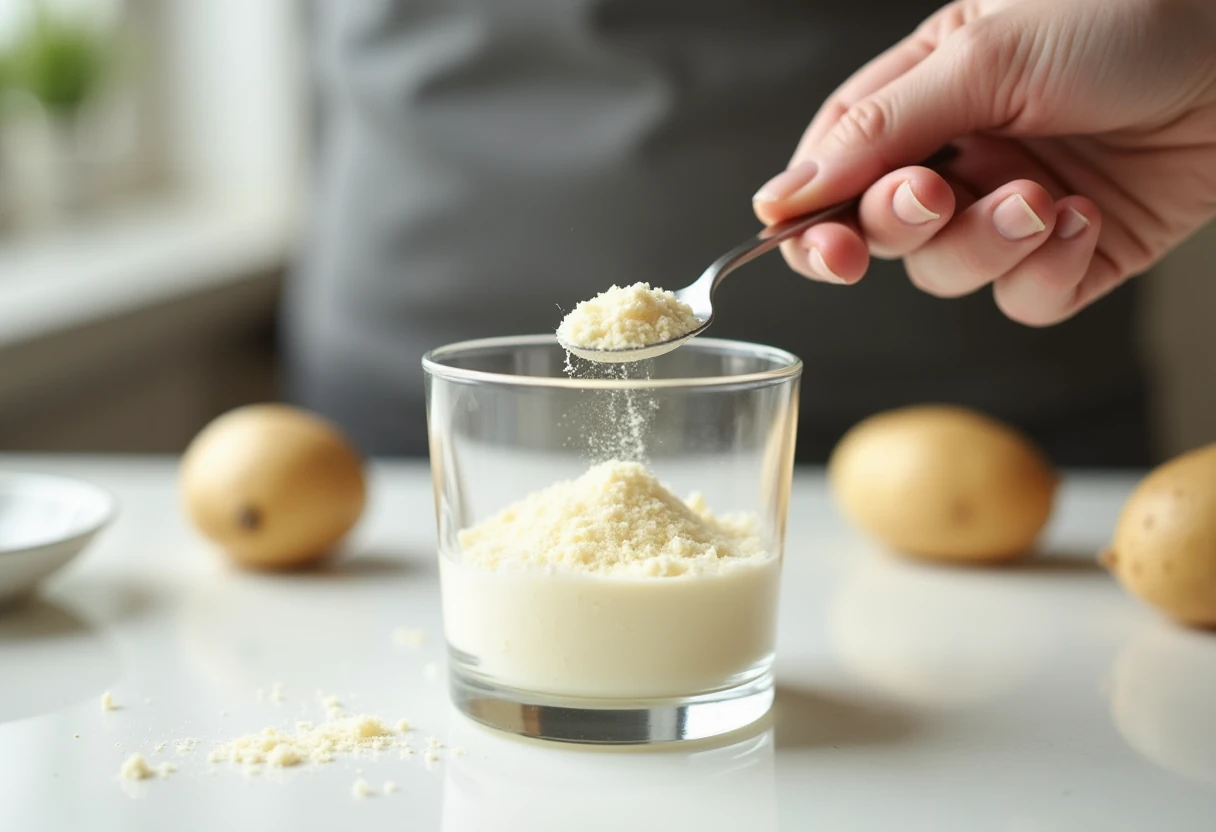
To use potato protein powder, start with a 20–25g scoop, mix it into a cold or room-temperature liquid before adding heat, and expect a faintly earthy, slightly savory base rather than a sweet one. The 2020 muscle protein synthesis study in young women used 25g twice daily, so that figure is a reasonable working dose. Knowing how to use potato protein powder well is mostly about managing two things: its texture and its flavor.
Use potato protein powder at roughly 20–25g per serving. Mix it into cold liquid first to avoid clumping, then add it to shakes, oatmeal, soups, or baked goods. It reads earthy and mildly savory, not sweet, so it disappears most cleanly into coffee, savory dishes, and cocoa-forward smoothies. Potato protein isolate runs 80–95% protein and is a low-FODMAP source, which makes it easy on sensitive stomachs.
Potato protein isolate runs 80–95% protein on a dry basis and contains all nine essential amino acids. Its PDCAAS sits between 0.92 and 1.00, placing it alongside several animal proteins. The 2020 study published in Nutrients found that 25g of potato protein isolate stimulated muscle protein synthesis in young women, both at rest and after resistance exercise. For the underlying science — extraction, amino acid profile, quality scores — see our pillar on what potato protein actually is. This guide is about the practical part: getting it into your food.
You can build a daily 20–25g protein habit with a single-ingredient powder that mixes into shakes, oats, soup, or batter without grit or aftertaste. What you need: Potato protein isolate · A liquid (water, milk, coffee) · A shaker or blender · Time: 5 min
How to Use Potato Protein Powder, Step by Step
Measure a 20–25g dose
One scoop is usually 20–25g of powder, which yields roughly 16–22g of actual protein given the 80–95% protein content of a potato isolate. The clinical dose in the 2020 Nutrients study was 25g taken twice daily, so two servings a day is a sensible ceiling for most people building or preserving muscle. If you are new to a higher-protein intake, start with one scoop and add a second later in the day.
Example: a 25g morning scoop in coffee plus a 25g afternoon scoop in oats puts you near 35–40g of added protein without a single sweetener.
Mix into cold liquid first
Potato protein isolate is soluble at neutral and strongly acidic pH, per work published in the Journal of Agricultural and Food Chemistry, but it still clumps if you dump it into hot liquid. Add the powder to cold or room-temperature water, milk, or a plant beverage, shake or blend for 10–15 seconds, then heat if the recipe calls for it. A blender bottle with a wire whisk ball handles a single serving; a stick blender handles a smoothie.
Example: whisk 25g into 4 oz of cold water until smooth, then top with hot coffee — no floating clumps.
Build a shake that masks the earthiness
Unflavored potato protein reads faintly earthy and mildly savory — closer to a starch than a candy. That works in your favor if you pair it with strong, slightly bitter, or tart flavors that sit on top of it. Cocoa, espresso, banana, frozen berries, cinnamon, and a pinch of salt all cover the base note well. Avoid trying to make it taste like vanilla on its own; flavorless plant proteins are hard to engineer, and even soy isolate is described as far from flavorless.
Example: 25g potato protein, 1 cup milk, a frozen banana, a tablespoon of cocoa, and ice. It disappears into your food.
Tip: A pinch of salt and an acidic element (a squeeze of lemon, a spoon of yogurt) both reduce perceived earthiness more than adding sugar does.
Bake with it — but never alone
Heating protein powder does not destroy its protein content, so baking is fair game. Potato protein isolate is GRAS-approved for baked goods at inclusion levels from 0.01% to 10%, and its foaming and gelation behavior make it a workable egg-white-style binder in some recipes. The catch is dryness: an isolate used by itself produces a dense, crumbly result. The standard fix, echoed by gluten-free baking sources, is to combine protein with a flour or starch rather than relying on it as the structure.
Example: replace 10–15% of the flour in pancakes or muffins with potato protein, keep the rest as oat or gluten-free flour, and add an extra splash of liquid to compensate.
Pitfall: Do not swap a full cup of flour for protein powder. The batter will not hold together and the result will be dry. Cap protein at 10–15% of the dry weight and adjust liquid up.
Stir it into savory dishes
This is where potato protein quietly outperforms sweeter whey and many flavored plant powders. Because the base note is savory, cooking with potato protein works in soups, stews, mashed potatoes, sauces, and gravies, where an earthy undertone reads as normal. Whisk it into a small amount of cold broth first to make a slurry, then stir that into the warm pot off direct boil so it incorporates without seizing.
Example: stir a 20g slurry into a pot of vegetable soup at the end of cooking for an extra 16–18g of protein per bowl. See the recipe index for more savory applications.
Store it sealed, cool, and dry
Plant-based protein powders generally hold a shelf life of 12 to 24 months, per VitaRx. Keep the bag or tub sealed in a cool, dry cupboard away from steam and direct sun. Use a dry scoop every time — moisture is the enemy, and a wet scoop introduces clumping and shortens usable life. Refrigeration is not required and can introduce condensation, so a stable pantry shelf is better.
Example: clip the bag closed, keep the desiccant packet in, and store it beside the coffee, not above the stove.
What to Look For When Buying Potato Protein
Buy by the label, not the front of the bag. Potato protein powder is sold across the market alongside pea, rice, soy, and hemp, and quality varies. A few specifics to check:
- One ingredient: potato protein isolate, nothing else.
- Protein content stated at 80–95% (listings often specify “Potato Protein Isolate 90%”).
- Third-party testing. The Clean Label Project’s 2025 Protein Study 2.0 found plant-based powders averaged five times more cadmium than whey-based ones (testing run by Ellipse Analytics using ICP-MS), so a published Certificate of Analysis matters.
- No proprietary blend hiding the dose, and no added sweeteners if you want it for savory use.
- A potato-allergy warning if relevant — the allergen remains present in the isolate.
If you are weighing potato protein against other options on absorption and quality, our pillar on what potato protein is and our piece on protein digestibility both go deeper than this how-to does.