Is potato protein good for you? For most people, the answer is a qualified yes. Potato protein isolate is a high-quality plant protein that contains all nine essential amino acids, ranks among the highest plant sources on the standard quality scores, and in a controlled trial stimulated muscle protein synthesis in young women. The caveats are honest ones: it carries less leucine than whey, and anyone with a potato allergy should avoid it.
What makes it worth a closer look is the ingredient list. A single-ingredient potato protein isolate is just that — one input, extracted and dried. There is nothing to squint at on the label, which is the entire point. For a deeper background on the ingredient itself, see what potato protein is.
The Nutrition Profile of Potato Protein Isolate
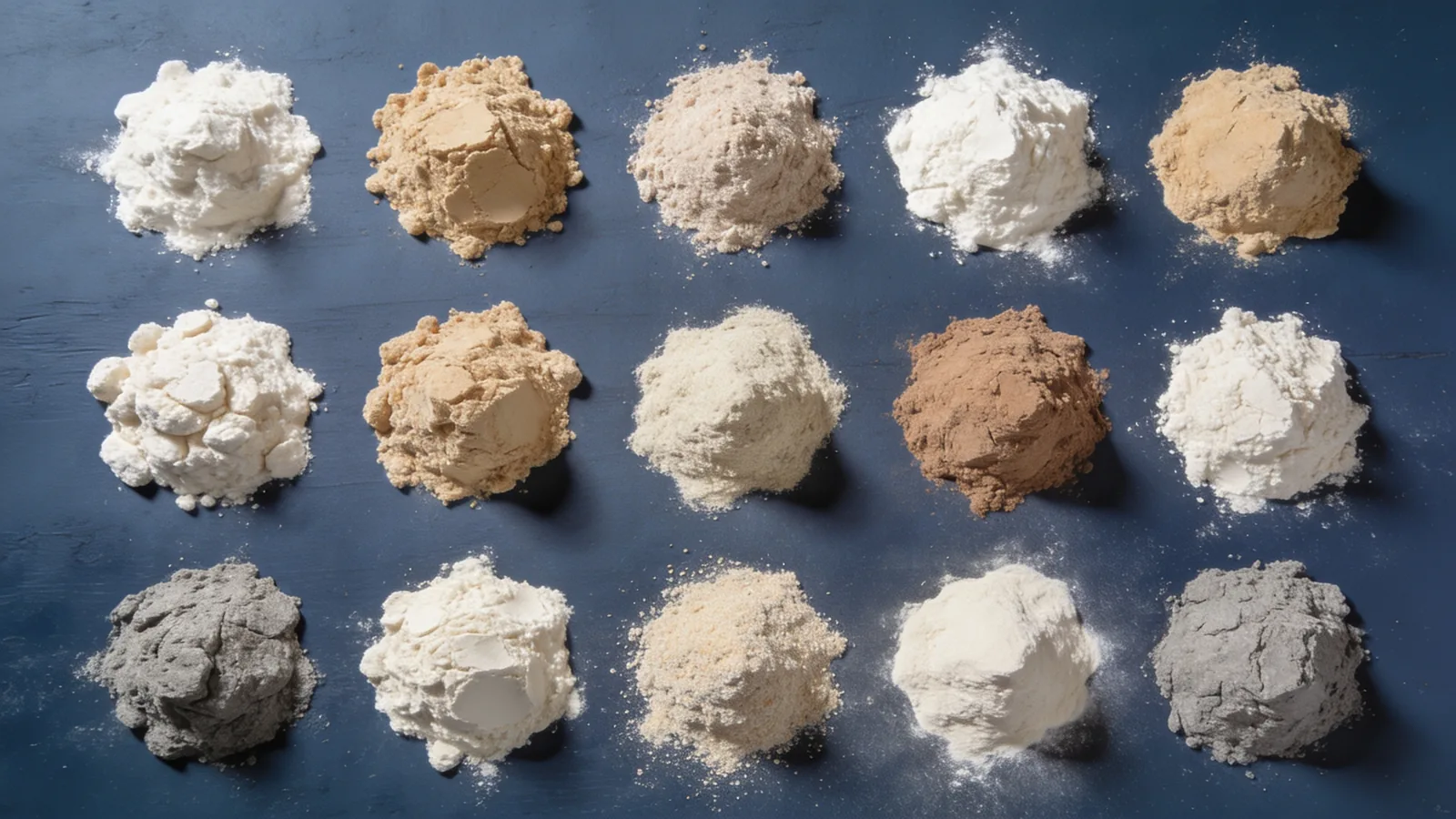
Potato protein isolate is extracted from potato fruit juice, a byproduct of starch production, then concentrated and dried. Commercial isolates run 80–95% protein on a dry basis, so a serving is mostly protein with very little else. It contains all nine essential amino acids and carries no lactose, no gluten, and no added sweeteners when sold as a true single ingredient. The process is covered in more detail in how potato protein isolate is made.
On protein quality, potato performs better than its reputation. Plant proteins generally score lower than animal proteins on metrics like PDCAAS, but potato is the exception that sits near the top of the plant category. For reference, egg white scores 1.00 on PDCAAS while wheat gluten scores roughly 0.25 (Schaafsma, 2000). Potato protein isolate’s Digestible Indispensable Amino Acid Score — DIAAS, the newer and more precise metric — has been reported as high as 100% (Herreman et al., 2020), placing it alongside high-quality animal proteins. If you want to understand why the newer score matters, see DIAAS vs PDCAAS.
One honest limit on the numbers: a 2021 review reported potato protein’s amino acid score at 65% (Food Research International, 2021), a reminder that scoring depends heavily on which method and reference pattern you use. The practical takeaway is consistent across methods — potato is a complete, well-digested protein, not a token plant filler.
Is Potato Protein Healthy? Who Benefits Most
Potato protein is a healthy option for most adults, and it is genuinely well-suited to three groups in particular: people avoiding common allergens, plant-based eaters, and adults trying to hold on to muscle as they age. It is Generally Recognized As Safe by the FDA, low-FODMAP, and free of the dairy and soy that send many people looking for alternatives in the first place.
People Avoiding Allergens
Potato is not one of the FDA major food allergens — the list that includes milk, eggs, fish, shellfish, tree nuts, peanuts, wheat, soybeans, and sesame. That single fact is why a single-ingredient potato isolate appeals to the allergy parent whose child cannot have dairy, eggs, nuts, or soy. Fewer inputs mean fewer things to react to. For the broader category, see the allergen-free protein guide.
This is not a blanket safety claim. Potato allergy exists, and researchers have identified patatin and a 53 kDa protein as the main potato allergens (Molecular Immunology, 2018). Those proteins remain present in the isolate, so anyone with a diagnosed potato allergy should not use it. For everyone else, potato sits outside the most common allergy triggers.
Plant-Based Eaters
For vegans and vegetarians, the recurring worry is whether a plant protein is “complete.” Potato protein answers that directly: it delivers all nine essential amino acids in a well-digested form. The Academy of Nutrition and Dietetics has long held that a varied plant diet meeting energy needs supplies all essential amino acids, and a single high-quality isolate like potato makes hitting that target simpler. The evidence on whether plants can build muscle is covered in can you build muscle on a vegan diet.
Adults Over 50
Muscle protein synthesis becomes less responsive with age, which is why protein quality matters more after 50, not less. A complete protein that digests well gives the muscle-building signal a fair chance. The clinical evidence below was generated specifically in this context, and the practical strategy is laid out in protein after 40.
Does Potato Protein Build Muscle? The Oikawa Evidence
Yes — potato protein stimulates muscle protein synthesis. In a 2020 study published in Nutrients, participants consuming 25 g of potato protein isolate twice daily increased their rate of muscle protein synthesis at rest and after resistance exercise, while a placebo group did not (Oikawa et al., 2020). The McMaster University team behind the work, led by Stuart Phillips, concluded potato protein isolate is a high-quality plant source capable of supporting muscle building.
That result is meaningful because it was measured directly rather than inferred from an amino acid chart. The women who consumed additional potato protein increased synthesis; those on placebo did not. It is the kind of head-to-head, outcome-based evidence most plant proteins simply do not have. For how this fits a training plan, see protein for athletes.
It is worth keeping the scope honest. The trial used 25 g twice daily — a real, supplement-level dose, not a sprinkle. Hitting that intake is the part that actually does the work, regardless of source.
Is Potato Protein Good Compared to Whey?
Neither protein is strictly better; they win on different axes. Potato matches whey on overall protein quality and adds the advantage of being dairy-free, lactose-free, and outside the major-allergen list. Whey carries more leucine and digests faster, which gives it a measurable edge for maximally stimulating muscle protein synthesis, especially in older adults. Whey’s rapid digestion and high leucine content made it more effective than slower proteins at building muscle in older men (American Journal of Clinical Nutrition, 2011).
There is also a metabolic difference worth naming. In an acute head-to-head comparison, whey produced a larger insulin and glycaemic response than potato, while potato (a plant protein) showed a lower insulinaemic response and better glucose maintenance; the same study found no significant difference in appetite ratings between the proteins (Nutrients, 2021). So on appetite specifically, neither held a clear edge.
| Dimension | Potato protein isolate | Whey isolate |
|---|---|---|
| Protein content (dry basis) | 80–95% | 90–95% |
| Essential amino acids | All nine present | All nine present |
| Major U.S. food allergen | No | Yes (milk) |
| Lactose | None | Less than 1% |
| Insulin / glycaemic response (acute) | Lower | Greater |
| Leucine for muscle synthesis | Lower | Higher |
Source: protein and lactose content from commercial isolate specifications and mindbodygreen (2023); insulin/glycaemic comparison from Nutrients (2021), PMID 34201703; major-allergen status per the FDA major food allergen list.
The pattern is clear: if you tolerate dairy and want the strongest single signal for muscle, whey remains a reasonable default. If you are avoiding dairy, soy, or other common allergens — or you simply want the shortest possible ingredient list — potato is a credible alternative that does not force a meaningful quality compromise. The full comparison lives in potato protein vs whey.
How Safe Is Potato Protein?
For healthy adults, potato protein is safe at normal intakes. It is Generally Recognized As Safe by the FDA, it is low-FODMAP, and it carries none of the dairy or soy that trigger the most common reactions. The two areas people ask about most — kidneys and digestion — have reassuring evidence behind them, with one clear exception for potato allergy.
On kidneys, the worry that “more protein damages your kidneys” does not hold for healthy people. A 2018 systematic review and meta-analysis of 28 trials including 1,358 participants found that higher-protein diets did not adversely affect glomerular filtration rate in healthy adults, with no significant difference versus lower- or normal-protein diets (Devries et al., 2018). The study defined high protein as at least 1.5 g/kg body weight, at least 20% of energy, or at least 100 g per day. This applies to healthy kidneys; anyone with existing kidney disease should follow medical guidance on protein.
On digestion, potato protein is classified as a low-FODMAP source (Monash University), which makes it gentler than many proteins for people with sensitive stomachs. That said, individual tolerance varies, and overdoing any protein in one sitting can cause bloating. For troubleshooting, see common protein problems and the guidance for sensitive stomachs and IBS.
The one firm exclusion is potato allergy. Because the allergenic proteins — patatin and a 53 kDa protein — remain present in the isolate, the Center for Research on Ingredient Safety at Michigan State University is explicit that anyone with a potato allergy should not consume potato protein. Potato allergy is uncommon, but it is real, and the isolate does not remove it.
So, is potato protein good for you? For the large majority of people — especially those avoiding dairy, soy, egg, and nuts, or those who simply read every label — it is a high-quality, well-tolerated protein backed by direct muscle-synthesis evidence. It is not magic, and it is not a strict upgrade over whey for everyone. It is exactly what the label says: one ingredient, doing the job a protein is supposed to do.