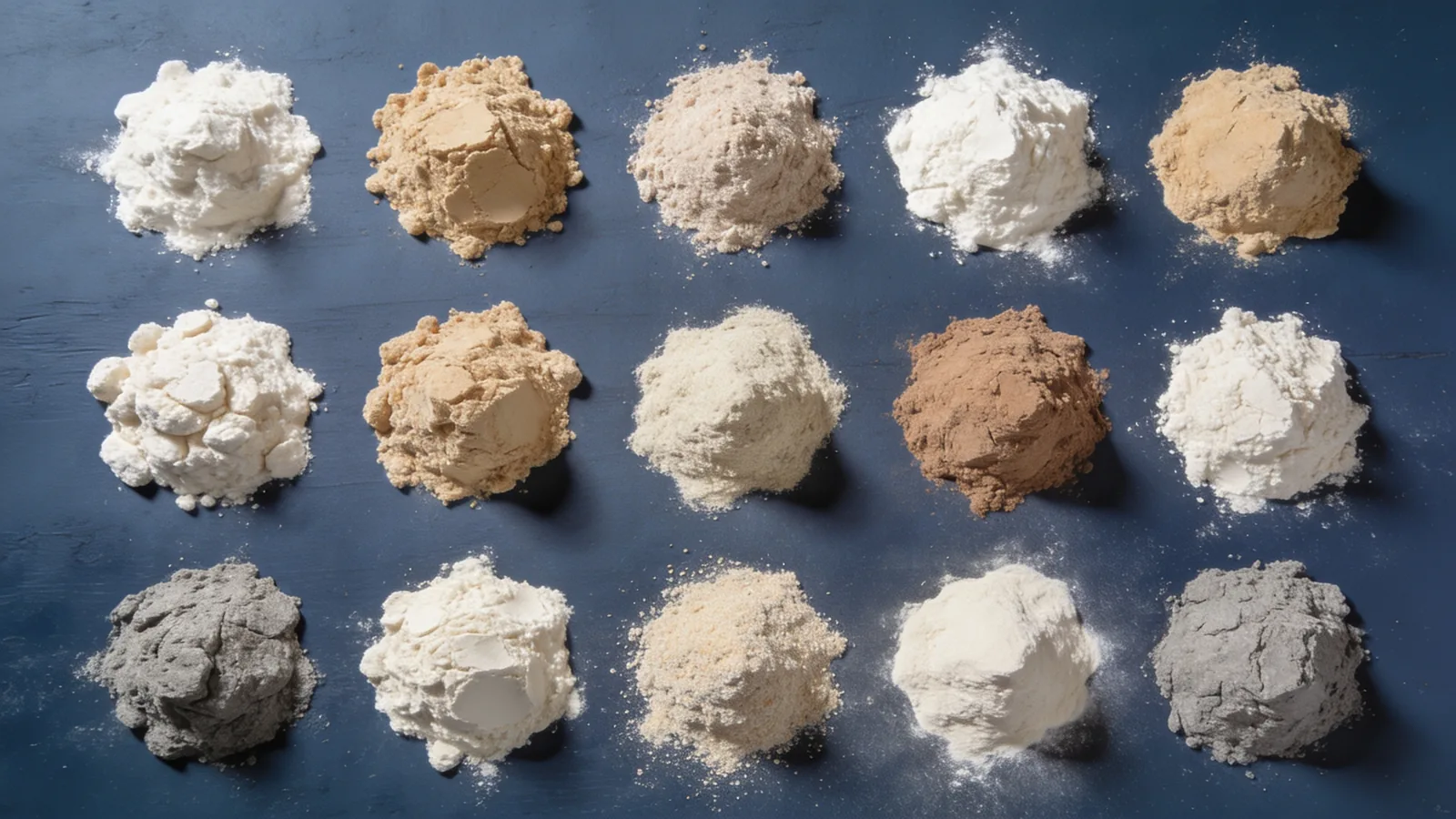
Water based protein drinks are protein beverages that stay translucent in water instead of turning into an opaque shake. The difference is not flavoring or marketing — it is solubility. A protein that dissolves completely at low pH produces a clear, juice-like drink; a protein that scatters light produces a cloudy one. Most plant proteins fall into the second category, which is why “clear plant protein” is harder to find than clear whey.
A water-based or “clear” protein drink is a beverage made with a highly soluble protein that fully disperses at an acidic pH, leaving the liquid translucent rather than milky. Clear products are usually built on hydrolyzed whey isolate; among plant proteins, solubility is the limiting factor, and potato protein isolate — reported with favorable solubility and protein content of 80–95% on a dry basis — is one of the few candidates that can approach a clear format.
Why Most Plant Proteins Turn Cloudy
Cloudiness comes from undissolved protein particles scattering light. A protein dissolves when its molecules carry enough surface charge to repel each other and stay suspended in water. Near a protein’s isoelectric point — the pH at which its net charge is zero — molecules clump together and drop out of solution, producing haze or sediment. Clear drinks are usually formulated at an acidic pH precisely because some proteins are more soluble there.
Plant proteins are difficult to purify into a fully soluble form. Monash University notes that plant-derived proteins such as soy and pea “can be particularly challenging to purify,” and that commercial protein powders contain roughly 70–90% protein while often carrying fermentable carbohydrates (FODMAPs) along for the ride. The remaining non-protein fraction — starches, fibers, and residual cell-wall material — is part of what keeps many plant powders looking opaque in water.
Processing also matters. Heat, pH shifts, and extraction chemistry change how a protein folds, and that determines whether it stays dissolved. Glycated plant proteins produced through the Maillard reaction, for example, have been shown to have high solubility and strong emulsification activity and stability, which is one reason a raw plant isolate and a processed one can behave very differently in the same glass of water.
Which Plant Proteins Can Go Clear?
Among plant proteins, the ones that can approach a clear, water-based format are those with the highest solubility at drinkable pH — and potato protein isolate is one of the strongest candidates. A 2021 review in Food Research International concluded that potato protein can be used in allergen-free products thanks to its non-allergic properties and favorable solubility. That solubility is the single property a clear drink lives or dies on.
Solubility is necessary but not sufficient — protein quality still has to hold up. Potato protein isolate has been reported with a Digestible Indispensable Amino Acid Score (DIAAS) as high as 100%, placing it among the highest-scoring plant proteins. In controlled human work, 25 g of potato protein isolate taken twice daily stimulated muscle protein synthesis at rest and after resistance exercise in young women, demonstrating that a soluble plant protein can still behave anabolically. If you want the deeper background on how this ingredient is made and why it scores well, our explainer on what potato protein is covers the extraction and amino-acid detail.
Pea, rice, and soy isolates are more commonly sold as cloudy shakes. Pea isolate carries a useful amino-acid profile — lysine averages about 7.9 g per 100 g of protein and leucine about 7.1 g, with methionine plus cysteine as the limiting amino acids at roughly 2.6 g per 100 g — but its solubility and residual FODMAP content make a translucent drink harder to engineer. This is why blends exist: linear programming can combine pea, rice, and rapeseed to hit a target amino-acid profile, but combining for taste and clarity is a separate problem.
How Clear Plant Protein Compares
The table below summarizes the properties that decide whether a protein can carry a water-based drink. Where a reliable, source-backed value is not established, the cell is left as an em-dash rather than filled with an estimate.
| Protein | Protein content | Suits a clear, acidic drink | Common allergen |
|---|---|---|---|
| Potato protein isolate | 80–95% (dry basis) | Favorable solubility; among the best plant candidates | Allergen-free profile |
| Whey protein isolate | 90–95% (<1% lactose) | Yes — the standard base for clear products | Milk |
| Pea protein isolate | — | Difficult to purify; often cloudy | Generally low-allergen |
| Rice protein | — | — | Generally low-allergen |
| Soy protein isolate | — | Challenging to purify; contains FODMAPs | Soy |
Clarity is a solubility test, not a flavor decision. If a protein hazes the water, no amount of citrus flavoring fixes it.
What a Clear Plant Protein Is Good For
A water-based protein drink suits anyone who finds a creamy shake heavy, especially in warm weather or right after training. The format is thinner, more like a flavored water, and tends to digest without the dairy-shake fullness. Potato protein is also a low-FODMAP protein source, which matters for sensitive stomachs; if a milky shake leaves you bloated, a clear option built on a low-FODMAP isolate is worth testing. We cover the broader pattern in our guide to the best protein powder to mix with water.
There is also a cardiovascular case for shifting protein toward plants in general. In an analysis of three prospective cohorts, people with the highest ratio of plant-to-animal protein had a 19% lower risk of cardiovascular disease. That is an association from dietary patterns, not a claim about any single drink — but it is one reason the demand for soluble, drinkable plant proteins keeps rising.
For label-readers, the appeal of a single-ingredient clear protein is the same as for any minimal-additive product: there is less to decode. A clear drink that lists one protein and a flavor is easier to evaluate than a milky blend with gums, emulsifiers, and sweeteners doing the heavy lifting to hide poor solubility. If you are comparing complete plant options, our roundup of which plant-based proteins are complete is the place to start.
Limitations and Honest Caveats
Clarity does not make a protein better — it only changes the format. Three limitations are worth stating plainly.
The leucine gap is real. Plant proteins generally deliver a lower, slower rise in essential amino acids than whey. In one trial, 20 g of a plant-based blend raised myofibrillar muscle protein synthesis to 0.041%/h versus whey’s 0.046%/h, and that 20 g dose supplied only 1.5 g of leucine — half the leucine of an equivalent whey dose. When free leucine was added to bring the blend to 3.0 g, its synthesis response (0.049%/h) became statistically indistinguishable from whey, indicating the gap is about leucine dose, not an inherent ceiling. The practical fix is a larger serving or a leucine-rich profile.
Heavy metals skew higher in plant powders. This is the most important caveat for anyone choosing plant over dairy. Consumer Reports tested 23 protein products in October 2025 and found that more than two-thirds contained more lead per serving than its safe daily limit of 0.5 micrograms, with plant-based products averaging nine times the lead of dairy-based powders. The Clean Label Project’s 2025 Protein Study 2.0 similarly found plant-based powders carried five times more cadmium than whey-based varieties. This is a sourcing-and-testing issue, not an argument against plant protein — but it is a reason to insist on a current certificate of analysis before buying.
Taste and texture are genuinely harder. Whey isolate has a head start in clear drinks because it is already highly soluble and neutral-tasting. Plant proteins often need flavor masking, and the thin water-based format gives a formulator less room to hide off-notes than a creamy shake does.
References
- Glycated plant proteins and functional properties. Foods (2021). PMID:33572281.
- Potato protein: An emerging source of high quality and allergy free protein, and its possible future based products. Food Research International (2021). PMID:34507729.
- Herreman et al. Food Science & Nutrition (2020). PMID:33133540.
- Potato Protein Isolate Stimulates Muscle Protein Synthesis at Rest and with Resistance Exercise in Young Women. Nutrients (2020). PMID:32349353.
- Glenn AJ et al. Dietary plant-to-animal protein ratio and risk of cardiovascular disease in 3 prospective cohorts. The American Journal of Clinical Nutrition (2024). PMID:39631999.
- Plant-based protein blend and leucine fortification on myofibrillar muscle protein synthesis. The Journal of Nutrition (2024). PMC11153912.
- Consumer Reports. Protein powder and shake heavy-metal testing (2025).
- Clean Label Project, Protein Study 2.0 (2025).