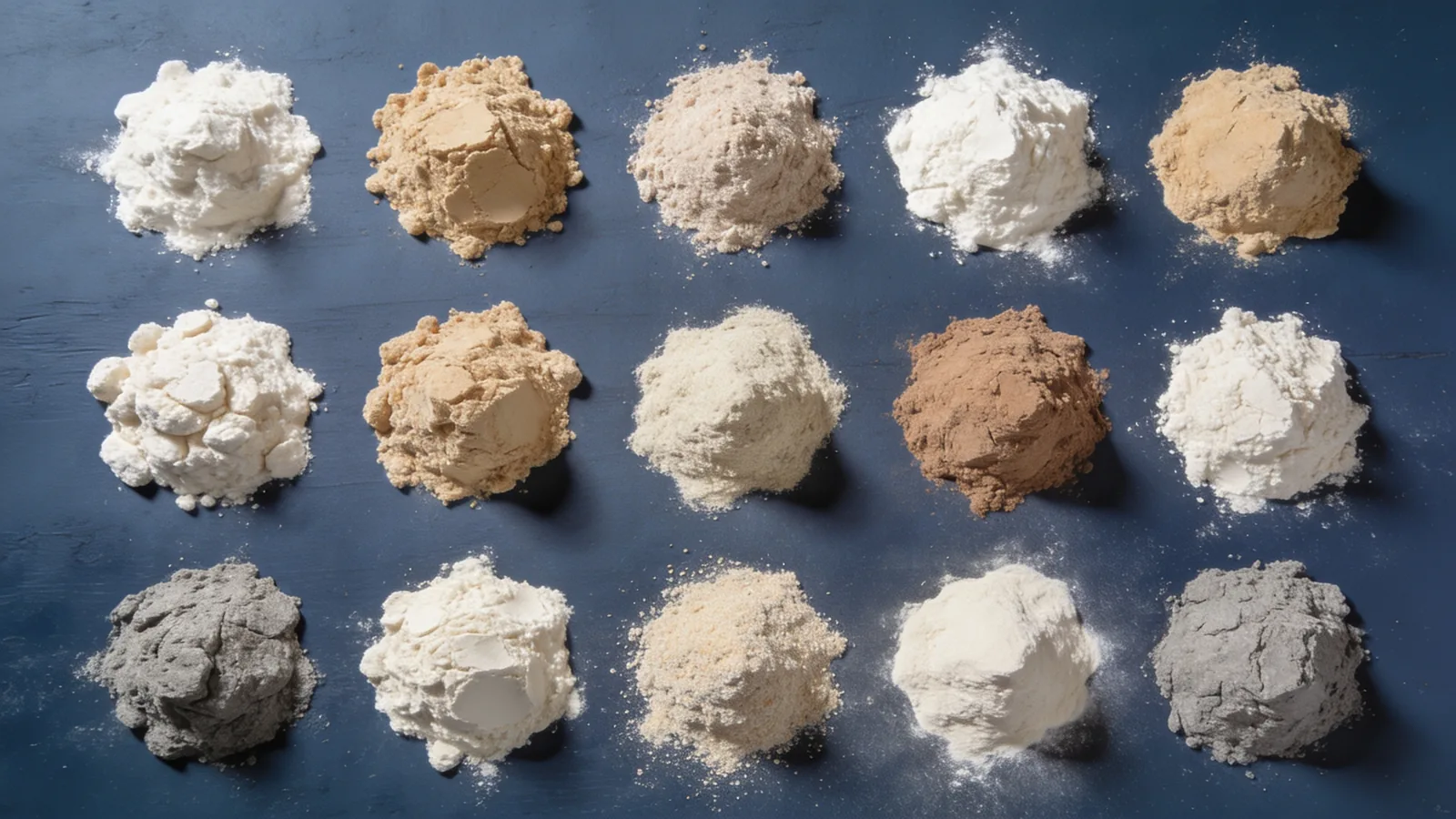
The amino acids in potato protein cover all nine that the human body cannot make on its own. That single fact — a plant protein isolate carrying a complete essential amino acid set — is what moved potato from a starch crop to a credible protein source. Potato protein isolate is roughly 80–95% protein by dry weight, and its amino acid profile sits closer to whey than most plant proteins manage.
Potato protein isolate contains all nine essential amino acids, making it a complete protein. Essential amino acids make up about 37% of its total protein, compared with 43% for whey protein isolate. Its protein quality scores are high for a plant source: an amino acid score of 65%, a PDCAAS reported at 0.92–1.00, and a DIAAS reported as high as 100%.
What Is Potato Protein Made Of?
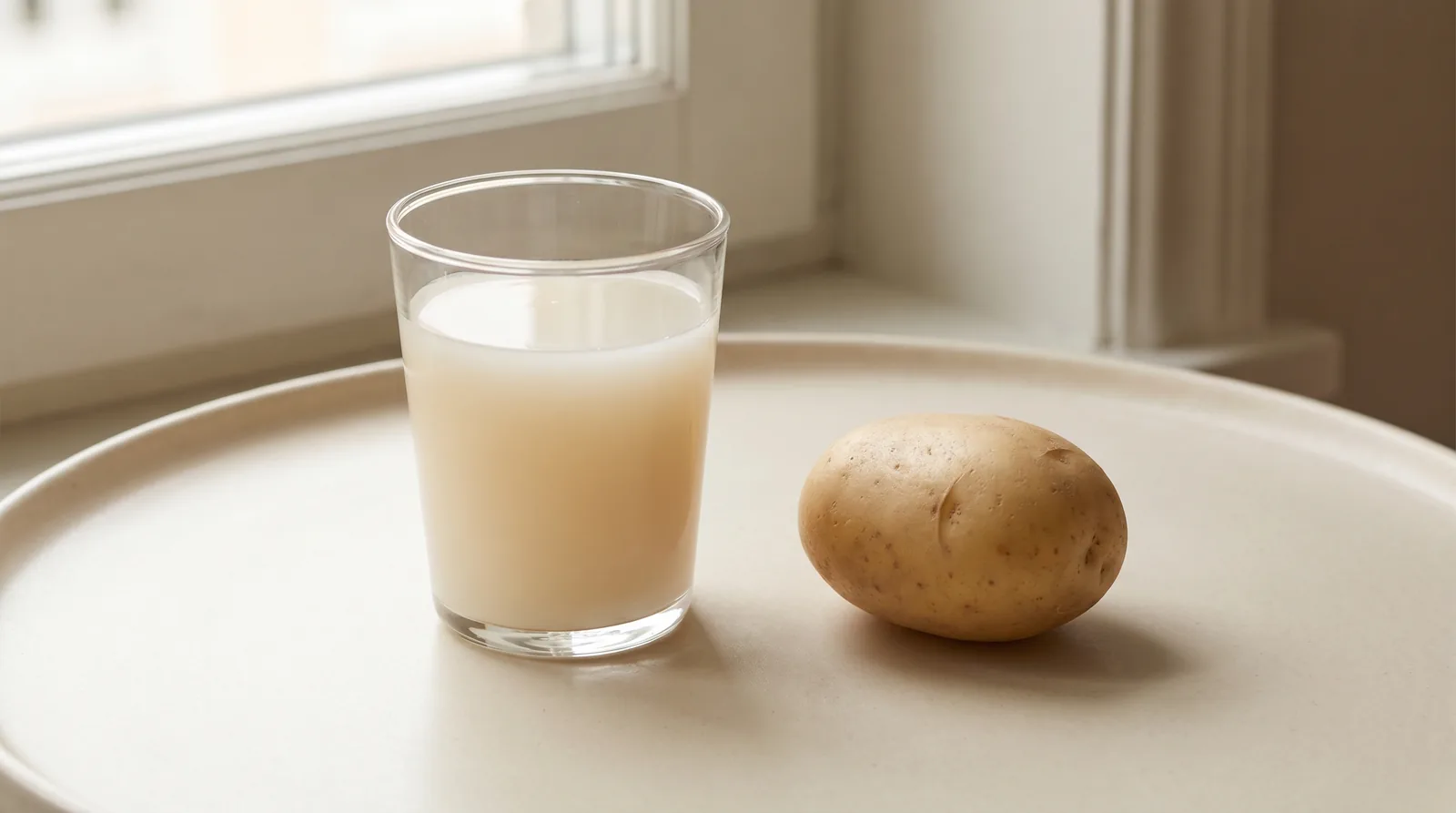
Potato protein isolate is the protein fraction separated out of potato fruit juice — the liquid byproduct left after starch is extracted from the tuber. The starch industry historically treated this liquid as a waste stream, so the protein is recovered from material that would otherwise be discarded. After extraction and drying, commercial isolates typically reach 80–95% protein on a dry basis, with “90%” being a common product specification.
The dominant protein in that fraction is patatin, a storage protein that makes up the largest share of soluble potato protein and contributes most of its functional behaviour — foaming, emulsification, and gelation. The remainder is a mix of protease inhibitors and smaller proteins. What matters nutritionally is not the names of those proteins but the amino acids they release when digested. If you want the broader background on how the ingredient is produced and used, our guide on what potato protein is covers the full extraction picture.
Does Potato Protein Contain All Nine Essential Amino Acids?
Yes. Potato protein isolate contains all nine essential amino acids — histidine, isoleucine, leucine, lysine, methionine, phenylalanine, threonine, tryptophan, and valine — which is the definition of a complete protein. That places it in the same category as whey, egg, and soy, and apart from collagen, which lacks tryptophan entirely.
“Essential” means the body cannot synthesise the amino acid and must obtain it from food. Many single plant proteins fall short in at least one — grains tend to run low on lysine, legumes on the sulfur amino acids — which is why plant eaters are often told to combine sources. Potato protein does not need a partner to be complete, though completeness and quantity are two different questions, which the scores below address. For the distinction in detail, see complete vs incomplete proteins.
How Does Potato Protein’s Amino Acid Profile Compare to Whey?
Potato protein carries a slightly lower proportion of essential amino acids than whey but scores comparably on the quality metrics that account for digestibility. Essential amino acids make up about 37% of potato protein isolate versus 43% for whey protein isolate. On DIAAS, both potato and soy isolates reach ≥100% for children and adults, a range that overlaps whey isolate’s reported 94–100%.
Protein quality is measured two ways. PDCAAS (Protein Digestibility Corrected Amino Acid Score) compares a food’s amino acid profile against human requirements, then corrects for how much is digested, capping the result at 1.00. DIAAS (Digestible Indispensable Amino Acid Score), proposed by the FAO in 2013 to replace PDCAAS, measures digestibility at the end of the small intestine and is not truncated, so high-quality proteins can exceed 100. Potato protein’s PDCAAS is reported at 0.92–1.00, among the highest of any vegetable protein source, and its DIAAS has been reported as high as 100%. Our PDCAAS explainer walks through why the two scores can diverge.
| Protein source | Essential AA % | PDCAAS | DIAAS | Common allergen |
|---|---|---|---|---|
| Potato protein isolate | 37% | 0.92–1.00 | up to 100 | Potato (uncommon) |
| Whey protein isolate | 43% | 1.00 | 94–100 | Dairy |
| Soy protein isolate | — | 1.00 | ≥100 | Soy |
| Egg | — | 1.00 | >100 | Egg |
| Wheat gluten | — | 0.25 | — | Gluten |
One profile difference worth noting plays out in how the body handles each protein. In an acute crossover comparison, whey produced a greater insulin response than potato protein, while the plant-derived proteins showed a lower insulinaemic response and better glucose maintenance. That is a difference in metabolic handling, not a missing nutrient — the essential amino acids are all present.
What About Leucine and the BCAAs?
Leucine is the single amino acid most associated with starting muscle protein synthesis, and it is one of three branched-chain amino acids — leucine, isoleucine, and valine — present in potato protein. The International Society of Sports Nutrition’s position stand reviews the evidence that essential amino acid intake increases muscle protein synthesis, with particular weight on leucine.
The practical question is whether potato’s amino acid delivery is enough to drive that response, and the direct evidence says it is. A 2020 trial found that 25 g of potato protein isolate, taken twice daily, raised muscle protein synthesis rates at rest and after resistance exercise in young women — while the placebo group showed no increase. That is the outcome that matters: not the amino acid list on paper, but what the body does with it. Plant proteins as a class tend to produce a lower and slower postprandial rise in essential amino acids than whey, so quantity per serving carries more weight than it would for an animal protein. We compare the two head-to-head in potato protein vs whey.
Completeness tells you the profile is whole. The trial data tells you the body can act on it.
Practical Application: Reading the Profile in Real Life
For most people choosing a protein, three things about the amino acid profile actually change a decision. First, completeness: potato protein needs no second source to supply all nine essential amino acids, which simplifies a plant-based diet. Second, dose: because plant proteins deliver leucine more slowly, a serving in the 25 g range is a reasonable target if muscle maintenance is the goal — the amount used in the published trial. Third, allergen profile: potato protein sidesteps dairy, egg, soy, and nuts, which matters if you are building meals around allergen-free protein sources for a child or an autoimmune-aware adult. The one exclusion is a genuine potato allergy, in which case the allergen is still present and the protein should be avoided.
In cooking, the amino acid profile is invisible — what you notice is solubility and a neutral contribution to the food. Potato protein is soluble at neutral and strongly acidic pH, which is why it works in acidic beverages as well as baked goods. It disappears into your food.
Limitations of the Data
A few honest caveats. The amino acid score of potato protein is 65%, which means a reference pattern is not fully met by one of the amino acids before digestibility correction — the precise limiting amino acid is not firmly settled across the published isolates, and values vary with the extraction method and the specific commercial product tested. PDCAAS and DIAAS figures also come from different isolates and laboratories, so the 0.92–1.00 and “up to 100” ranges reflect that spread rather than a single fixed number for every product.
It is also true, in general, that good-quality animal proteins have shown a greater ability to raise muscle protein synthesis than plant proteins, and reviews of protein quality consistently place animal sources higher on average. Potato protein is an exception that performs well for a plant source — but “well for a plant source” is the accurate framing, not “identical to whey.” The 2020 muscle protein synthesis trial used a single isolate at a defined dose; it does not license claims about every potato protein product at every serving size.
References
- Amino acid composition of potato and whey protein isolates. Amino Acids (2018). PMID: 30167963.
- Herreman L, et al. Comprehensive overview of the quality of plant- and animal-sourced proteins (DIAAS). Food Science & Nutrition (2020). PMID: 33133540.
- Protein extraction from potato fruit juice / potato fruit water. Food and Bioprocess Technology (2012).
- Schaafsma G. The Protein Digestibility-Corrected Amino Acid Score. Journal of Nutrition (2000). PMID: 10867064.
- Comparative Assessment of the Acute Effects of Whey, Rice and Potato Protein Isolate Intake on Markers of Glycaemic Regulation and Appetite in Healthy Males. Nutrients (2021). PMID: 34201703.
- International Society of Sports Nutrition Position Stand: Effects of essential amino acid supplementation on exercise and performance (2023). PMID: 37800468.
- Potato Protein Isolate Stimulates Muscle Protein Synthesis at Rest and Exercise Recovery in Young Women. Nutrients (2020). PMID: 32349353.