The phrase complete vs incomplete protein describes a single biochemical fact: whether a food supplies all nine essential amino acids in the proportions a human body needs. A complete protein does. An incomplete protein runs short on at least one — the so-called limiting amino acid — which restricts how much of the remaining material your body can assemble into new tissue.
A complete protein contains all nine essential amino acids in amounts adequate for human needs; an incomplete protein is low in at least one (its “limiting amino acid”). Animal proteins, soy, and potato protein isolate are complete, while most grains, nuts, and collagen are incomplete. When total daily protein from varied sources is adequate, the complete-versus-incomplete distinction matters far less than the older “food combining” advice implied.
What Is a Complete Protein?
A complete protein is one that contains all nine essential amino acids — histidine, isoleucine, leucine, lysine, methionine, phenylalanine, threonine, tryptophan, and valine — in quantities sufficient to meet human requirements. Whey, egg, milk, soy, and potato protein isolate all qualify. “Essential” means the body cannot synthesize these amino acids and must obtain them from food.
The other eleven amino acids are “non-essential,” not because they are unimportant but because your body can produce them internally from other building blocks. Completeness, then, is a statement about coverage of the nine you have to eat — nothing more.
What “Incomplete” Actually Means: The Limiting Amino Acid
An incomplete protein supplies all nine essential amino acids but falls short on at least one relative to need. That under-supplied amino acid is called the limiting amino acid, and it sets a ceiling on protein synthesis the same way the shortest stave sets the capacity of a barrel.
Grains are typically limited by lysine. Legumes tend to run short on methionine and cysteine. Collagen — increasingly sold as a standalone powder — is categorized as incomplete under the PDCAAS method because it contains essentially no tryptophan; one analyzed sample measured 0.00 g per 100 g. Among new pea genotypes, the limiting amino acids were methionine plus cysteine, averaging just 2.6 g per 100 g of protein, a chemical score of roughly 46 percent.
This is what protein-quality scores are measuring. The Protein Digestibility-Corrected Amino Acid Score (PDCAAS) compares a food’s limiting amino acid against a reference pattern and adjusts for digestibility. Egg protein scores 1.00; wheat gluten scores about 0.25. If you want the full mechanics, our companion piece on PDCAAS explained walks through the math.
Why the Complementary Protein Theory Was Largely Revised
For decades, the standard advice was to “combine” incomplete proteins at the same meal — rice with beans, hummus with bread — so that one food’s surplus covered another’s limiting amino acid. That recommendation has been substantially walked back, and the reason is the amino acid pool.
Your body maintains a circulating reserve of free amino acids, continuously topped up by dietary intake and the turnover of your own tissues. Amino acids eaten at breakfast remain available to pair with amino acids eaten at lunch. The pairing does not have to happen on the same plate. As the American Dietetic Association stated in its 2009 position paper, “an assortment of plant foods eaten over the course of a day can provide all essential amino acids and ensure adequate nitrogen retention and use in healthy adults.”
The pairing does not have to happen on the same plate. Total daily amino acid intake is what determines whether you are covered.
What still matters is total daily intake and variety. Eat enough protein from enough different sources, and the limiting-amino-acid problem of any single food gets absorbed by the day’s overall pattern.
What the Evidence Shows
Two things are true at once, and holding both is the key to reading this topic honestly.
First, incomplete or lower-scoring proteins are not useless when daily intake is adequate. Linear-programming work has shown that blends of plant proteins — pea, rapeseed, rice — can be formulated to match WHO reference profiles or even animal-protein profiles. Variety and quantity do the work that food-combining was once credited with.
Second, protein quality is real and PDCAAS does not capture everything. Soy protein isolate and whey can carry the identical PDCAAS of 1.00 yet stimulate muscle protein synthesis to different degrees, because PDCAAS is capped at 1.00 and ignores digestion speed and leucine content. Leucine is the primary trigger for muscle protein synthesis, and faster-digesting, higher-leucine proteins produce a sharper anabolic response.
Plant-based proteins can still perform well. The 2020 McMaster trial by Oikawa and colleagues, published in Nutrients, found that 25 g of potato protein isolate taken twice daily stimulated muscle protein synthesis in young women, and the authors classified potato protein isolate as a high-quality plant protein source. A separate review reported a DIAAS — the newer Digestible Indispensable Amino Acid Score the FAO proposed to replace PDCAAS — for potato protein isolates as high as 100%.
Completeness Across Common Protein Sources
The table below summarizes complete-versus-incomplete status, the limiting amino acid where one exists, and the PDCAAS figure where one is available.
| Protein source | Complete? | Limiting amino acid | PDCAAS |
|---|---|---|---|
| Whey isolate | Yes | None | 1.00 |
| Egg white | Yes | None | 1.00 |
| Milk / casein | Yes | None | 1.00 |
| Soy protein isolate | Yes | None | 1.00 |
| Potato protein isolate | Yes | None | 0.92–1.00 |
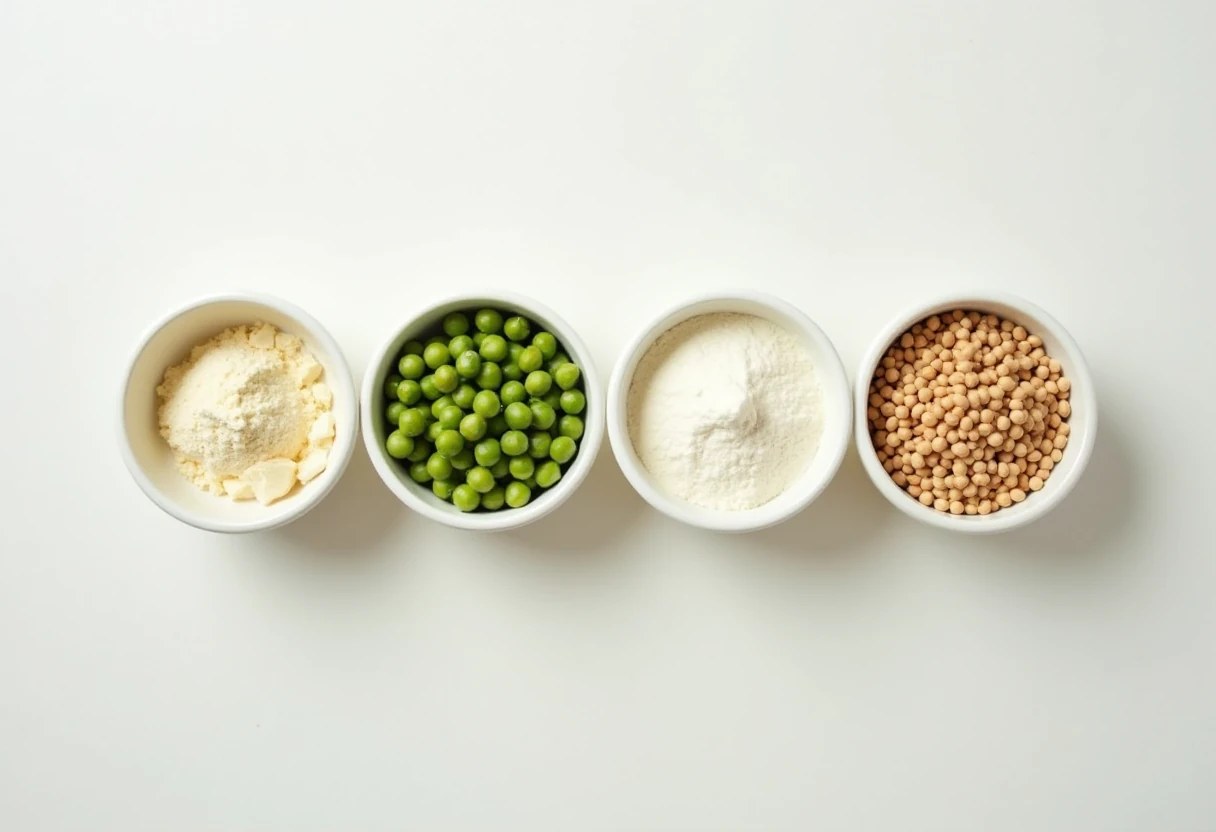
| Pea protein | Borderline | Methionine + cysteine (chemical score ~46%) | — |
| Wheat gluten | No | Lysine | 0.25 |
| Collagen | No | Tryptophan (0.00 g/100 g) | Incomplete |
Note that “complete” is not a synonym for “best.” It is a threshold. Soy and potato protein isolate clear it; so does egg white. Among plant sources, potato protein isolate sits at the high end of quality scores, alongside several animal proteins.
Practical Application: Most Adequate Diets Cover All Nine
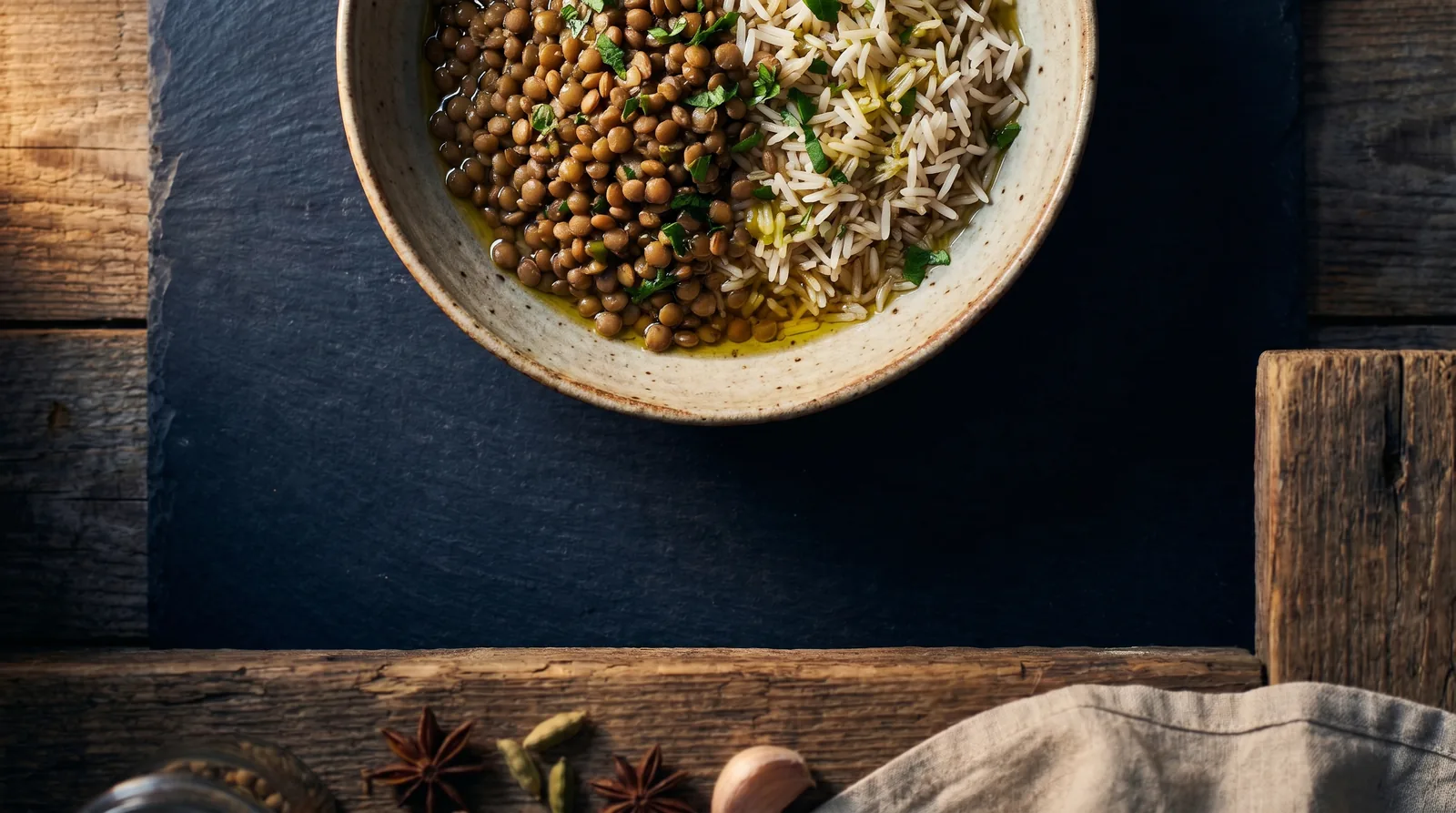
For most people eating a reasonable amount of total protein, all nine essential amino acids are covered without any deliberate combining. A diet that includes grains, legumes, vegetables, and any animal foods — or a varied vegetarian pattern — supplies the full set over the course of a day.
Where this becomes a live concern is when total protein is low, calories are restricted, or the diet leans heavily on a single limited source. An older adult under-eating protein, a vegan relying mostly on grains, or someone using only collagen for “protein” can run short on a specific amino acid even while hitting a gram target on paper.
If you are choosing a supplement, the question is less “complete or incomplete” and more “does this single source clear the bar on its own, and what else is in the tub.” A complete, single-source protein with a high quality score does not need a complementary partner to be useful. For a broader framework on selecting one, our best protein powder guide compares sources on quality, digestibility, and ingredient count, and our overview of what potato protein is covers one complete plant option in detail. Readers comparing animal and plant options may also want whey vs plant protein for muscle growth.
Limitations: Where Completeness Stops Telling the Whole Story
Completeness is a binary, and biology is not. Three caveats are worth keeping in view.
First, digestibility and absorption speed are not captured by the complete/incomplete label. Plant proteins generally produce a lower and slower rise in blood essential amino acids than whey, which can matter for an acute muscle-building response even when the protein is technically complete.
Second, PDCAAS truncates at 1.00, so several proteins that share a top score are not actually equivalent in practice. DIAAS, which is not capped, separates them more accurately and is gradually replacing PDCAAS as the reference method.
Third, anabolic resistance changes the calculus with age: older muscle responds less to a given dose of protein, which raises the practical leucine and total-protein thresholds rather than the completeness requirement. The amino acids still need to be present — there just need to be more of them.
None of this overturns the headline. For a healthy adult eating enough varied protein, complete versus incomplete is a smaller concern than it was once made to be.
References
- Oikawa SY, et al. Potato Protein Isolate Stimulates Muscle Protein Synthesis at Rest and with Resistance Exercise in Young Women. Nutrients (2020). PMID:32349353.
- Craig WJ, Mangels AR. Position of the American Dietetic Association: Vegetarian Diets. Journal of the American Dietetic Association (2009). PMID:19562864.
- Schaafsma G. The Protein Digestibility-Corrected Amino Acid Score. Journal of Nutrition (2000). PMID:10867064.
- Herreman L, et al. Comprehensive overview of the quality of plant- and animal-sourced proteins (DIAAS). Food Science & Nutrition (2020). PMID:33133540.
- Paul C, Leser S, Oesser S. Significant Amounts of Functional Collagen Peptides Can Be Incorporated in the Diet. Nutrients (2019). PMID:31096622.
- Fraś A, et al. Nutritional Value Evaluation of New Pea Genotypes (Pisum sativum L.) Based on Their Chemical, Amino Acids and Dietary Fiber Composition. Molecules (2024). PMID:39519674; PMC11547519.
- Combining Plant Proteins to Achieve Amino Acid Profiles Adapted to Various Objectives. Frontiers in Nutrition (2022). PMID:35187024.
- FAO/WHO. Protein Quality Evaluation. FAO Food and Nutrition Paper 51 (1991).