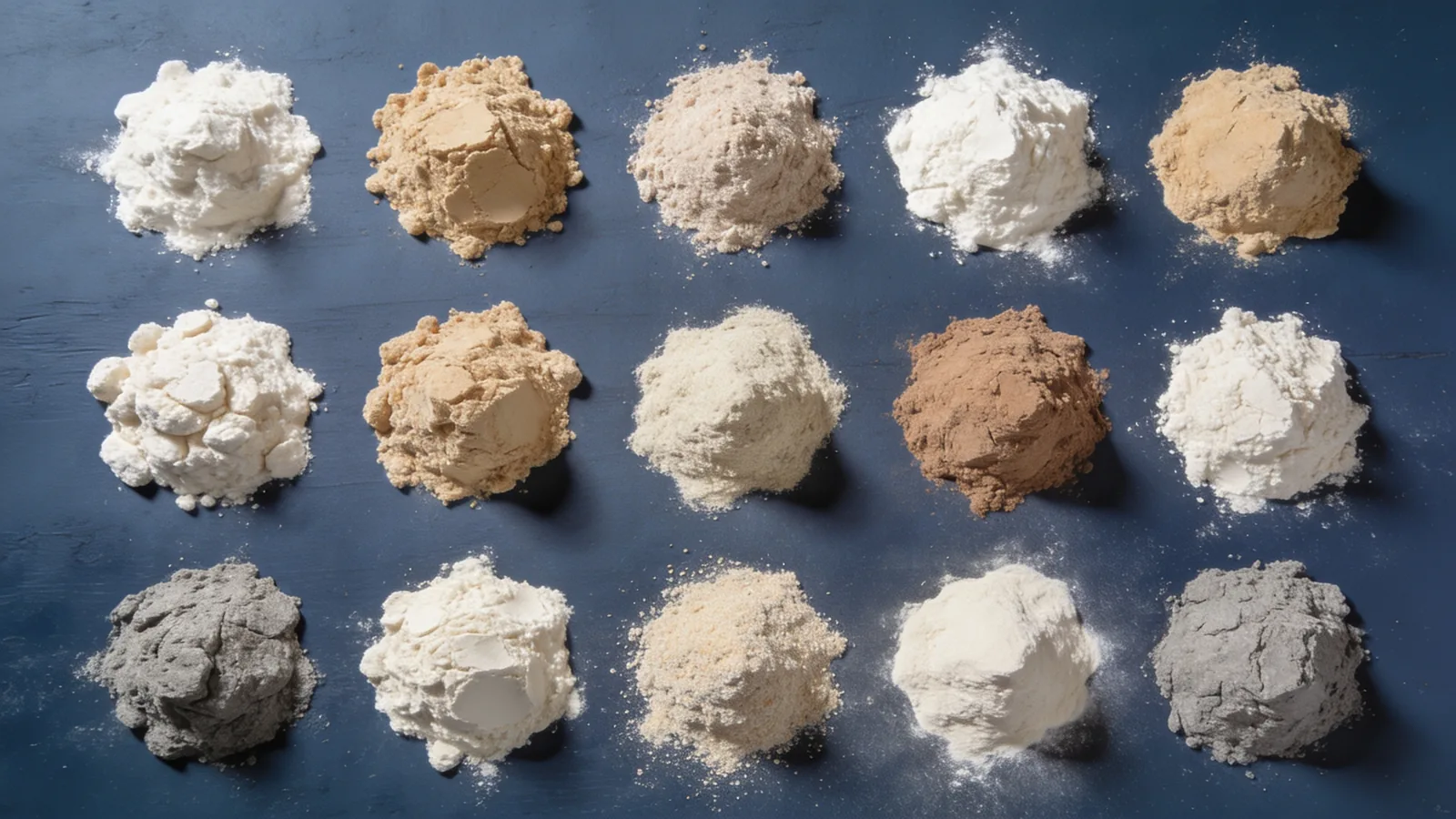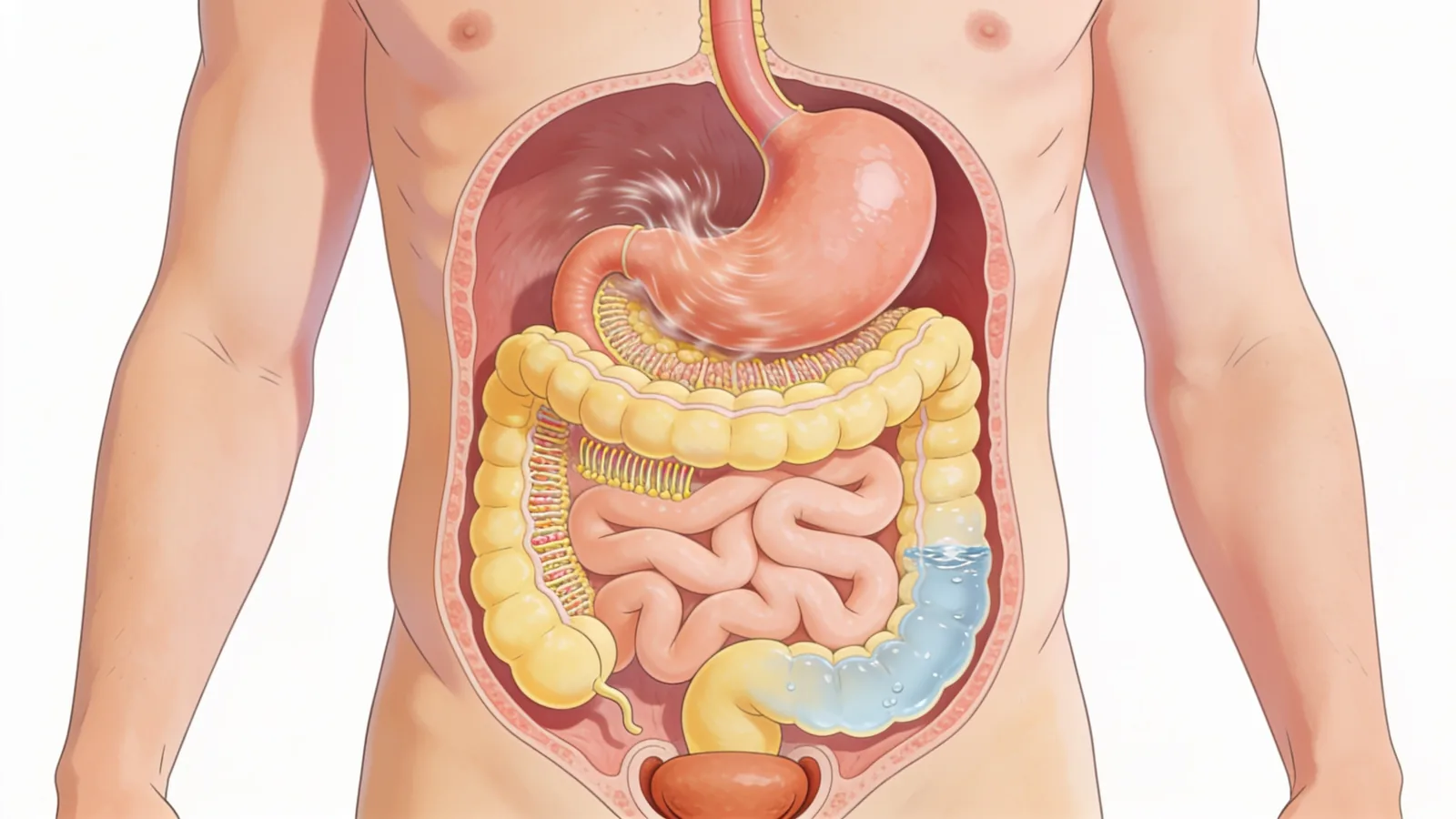
Protein digestibility is the percentage of the protein you eat that your body actually breaks down and absorbs, rather than passing through and out. The number on a nutrition panel tells you how many grams went into your mouth. Digestibility tells you how many of those grams crossed the wall of your small intestine as amino acids. The gap between those two figures is the whole point — and it varies more than most labels admit.
Protein digestibility measures the proportion of ingested protein that is absorbed as amino acids rather than excreted. It is best measured at the end of the small intestine (ileal digestibility), which is more accurate than older fecal methods because gut bacteria alter protein further down the colon. Most isolated animal proteins digest at 95–98%, while plant proteins range more widely; pea protein isolate shows a real ileal digestibility of about 93.6%.
What Protein Digestibility Actually Measures
Protein digestibility quantifies how much of an ingested protein is broken into absorbable amino acids and small peptides, expressed as a percentage. The food matrix, the protein’s structure, and the presence of compounds that interfere with digestive enzymes all change that figure. Two foods with identical protein content on the label can deliver meaningfully different amounts of usable amino acids.
The distinction that matters most is where you measure. Older studies used fecal digestibility — they counted the nitrogen that came out the far end and assumed everything missing had been absorbed. The problem is the colon. Bacteria in the large intestine ferment and metabolise protein that reaches them, so by the time material is excreted, the microbial activity has distorted the count. Fecal methods tend to overestimate how much protein the human host actually absorbed.
Ileal digestibility measures amino acids at the end of the small intestine, before the colon gets involved. That is the last point at which absorbed amino acids are available to you rather than to your gut bacteria. Ileal measurement is why the FAO moved the protein-quality standard toward it in 2013. When you see a digestibility figure, the first question worth asking is whether it is ileal or fecal — the two are not interchangeable.
How Is Protein Digestibility Scored?
Protein digestibility is scored using two main systems: PDCAAS and DIAAS. Both combine a protein’s amino acid profile with its digestibility, but DIAAS uses ileal digestibility and does not cap its results, while the older PDCAAS uses fecal digestibility and truncates every high score down to a maximum of 1.00. DIAAS is the current FAO-recommended standard.
The Protein Digestibility-Corrected Amino Acid Score (PDCAAS) was adopted by the FAO and WHO in the early 1990s. It compares the most limiting essential amino acid in a food against a reference pattern, then corrects for digestibility. Its weakness is the truncation rule: any protein scoring above 1.00 is recorded as 1.00, which flattens the difference between a merely adequate protein and an exceptional one.
The Digestible Indispensable Amino Acid Score (DIAAS) replaced it as the recommended method in 2013. DIAAS uses ileal digestibility for each individual amino acid and does not truncate, so scores can exceed 100. That is why egg and several isolated proteins report DIAAS values above 100 — they supply a surplus of digestible essential amino acids relative to human requirements. A protein digestibility score, in short, is only as informative as the method behind it.
What Determines How Much Protein You Absorb
Three factors govern protein absorption digestibility: the activity of your digestive proteases, the food matrix the protein sits inside, and any anti-nutritional compounds that block digestion. Each one can shift the absorbed fraction by several percentage points, which is why processing method matters as much as the source plant or animal.
Protease activity and protein structure
Digestion begins with pepsin in the stomach and continues with trypsin and chymotrypsin in the small intestine. These proteases cleave protein chains at specific sites. Tightly folded or aggregated proteins expose fewer of those sites, so they digest more slowly and sometimes less completely. Heat, acid, and mechanical processing unfold proteins and make more cleavage points available — one reason isolates and hydrolysates often digest faster than whole-food protein.
The food matrix
Protein rarely arrives alone. Fibre, starch, fat, and polyphenols in a whole food can physically shield protein from enzymes or bind it into complexes that resist digestion. Isolating the protein strips most of that matrix away. This is the central reason a protein isolate frequently posts a higher digestibility figure than the same protein eaten in its original food.
Anti-nutritional factors
Some plants carry compounds that directly inhibit digestive enzymes. Raw potato is a clear example: it contains protease inhibitors that block trypsin and chymotrypsin, which is part of why raw potato protein is poorly digested. Processing changes this. A study comparing potato products found that the protein digestibility of potato flour was significantly higher than that of raw potatoes. Commercial isolation — precipitation, washing, and heat treatment — denatures and removes the bulk of those inhibitors, which is what separates a raw tuber from a refined isolate. If you want the upstream detail on how that material is made, see our explainer on what potato protein is.
The number on the panel tells you what went in. Digestibility tells you what stayed.
Digestibility of Common Protein Sources
Animal proteins generally digest more completely than plant proteins, but the spread among plants is wide and the best plant isolates close most of the gap. Egg protein carries a PDCAAS of 1.00, while wheat gluten scores roughly 0.25 — a reminder that “plant protein” is not a single category. The table below compares quality scores, which fold digestibility together with amino acid adequacy.
| Protein source | PDCAAS | DIAAS / digestibility note |
|---|---|---|
| Egg | 1.00 | DIAAS above 100; surplus of digestible EAAs |
| Whey / milk / casein / soy isolate | 1.00 | Whey isolate DIAAS ~94–100; casein ileal ~96.8% |
| Potato protein isolate | 0.92–1.00 | DIAAS reported as high as 100% |
| Pea protein isolate | ~0.89 | Real ileal digestibility ~93.6% |
| Wheat gluten | 0.25 | Limited by low lysine |
Two points are worth flagging. First, PDCAAS truncation hides real differences: egg, whey, casein, and soy all read 1.00, but their underlying DIAAS values differ. Second, a controlled human study found that pea protein isolate’s ileal digestibility of 93.6% was not statistically different from casein’s 96.8% (P = 0.22), even though individual amino acids such as leucine and lysine were less digestible in pea. Whole-protein digestibility and per-amino-acid digestibility are not the same measurement.
Where Potato Protein Fits
Potato protein isolate sits near the top of the plant range. Its PDCAAS is reported at 0.92 to 1.00, and its DIAAS has been reported as high as 100%, placing it alongside soy and within reach of whey isolate. In the McMaster trial published in Nutrients in 2020, 25 g of potato protein isolate stimulated muscle protein synthesis at rest and after resistance exercise in young women — direct evidence that the absorbed amino acids do the work expected of a high-quality protein.
The reason single-ingredient isolation matters here is mechanistic, not marketing. Removing the food matrix and the raw tuber’s protease inhibitors is precisely what raises digestibility from “poorly absorbed raw potato” to a refined isolate that performs like a complete protein. For readers managing allergies, the same processing logic produces a protein with a short input list — covered further in our allergen-free protein guide.
Limitations of Digestibility Scores
Digestibility scores are useful but incomplete. They are typically measured in animal models or in small human cohorts, and individual gut physiology — transit time, enzyme output, age-related changes — shifts real-world absorption. A score is a population average, not a personal guarantee.
They also say nothing about kinetics. Two proteins can post identical digestibility while absorbing at very different speeds, and the postprandial rise in leucine and essential amino acids drives the muscle response. Plant proteins generally produce a lower, slower amino acid rise than whey, which is a separate consideration from how much eventually gets absorbed. And quality scores measure adequacy against a reference pattern, not what happens after absorption. For the broader picture of how potato protein performs in the body, our overview of potato protein science connects digestibility to the downstream evidence. When you read a digestibility figure, treat it as one input — accurate, but not the entire story.
References
- Oikawa SY, et al. Potato protein isolate stimulates muscle protein synthesis at rest and with resistance exercise in young women. Nutrients, 2020. PMID:32349353.
- Schaafsma G. The Protein Digestibility-Corrected Amino Acid Score. Journal of Nutrition, 2000. PMID:10867064.
- Guillin FM, et al. Real ileal amino acid digestibility of pea protein compared to casein in healthy humans: a randomized trial. American Journal of Clinical Nutrition, 2022. PMID:34665230.
- Herreman L, et al. DIAAS values for plant and animal proteins, including potato protein isolate. Food Science & Nutrition, 2020. PMID:33133540.
- Protein and starch digestibilities and mineral availability of products developed from potato, soy and corn flour. 1998. PMID:9839814.
- FAO Expert Consultation. Dietary protein quality evaluation in human nutrition (FAO Food and Nutrition Paper 92). Food and Agriculture Organization, Rome, 2013.