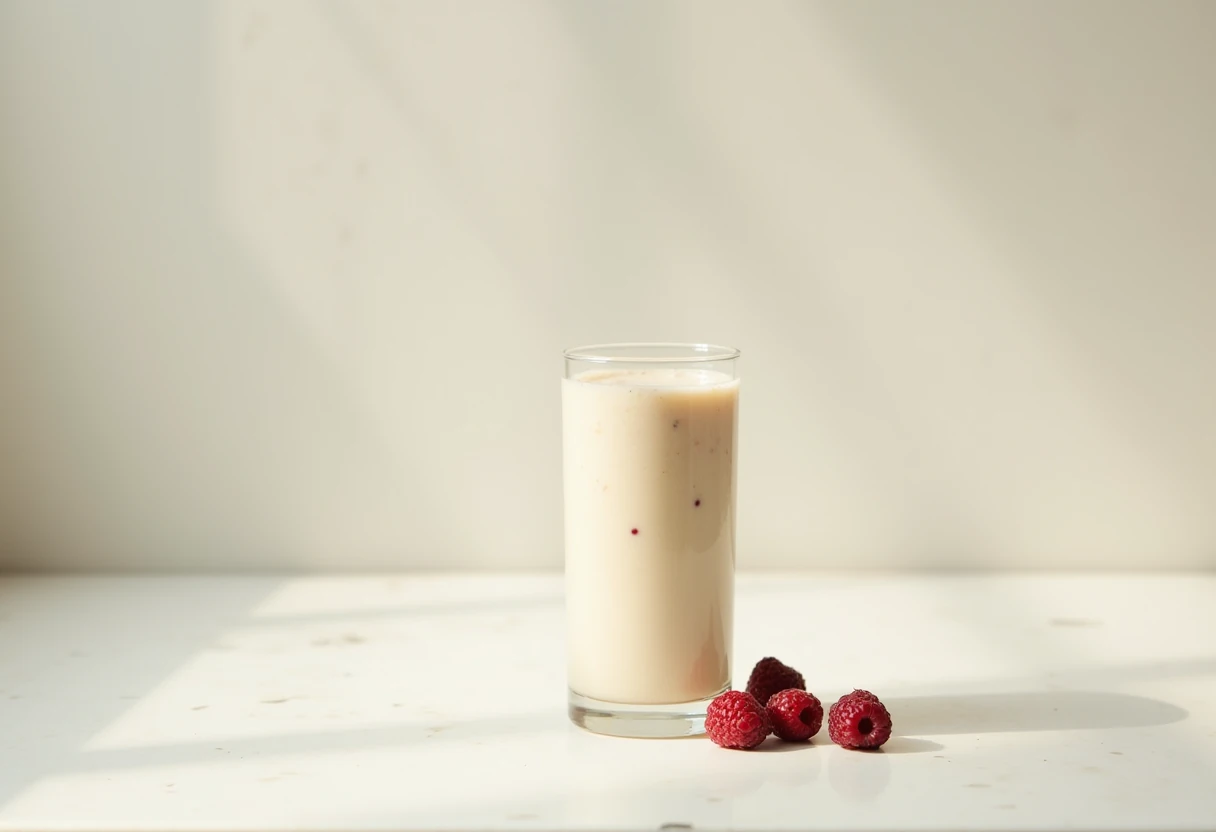
The math behind a low calorie protein shake is simple: 25g of protein from a high-isolate powder costs roughly 100 calories, and everything else you add is optional. Built on water with a calorie-dense powder swapped out, you can land a full 25g protein serving at around 100–150 calories — less than half what a flavored, sweetened ready-to-drink shake delivers. This Low Calorie Protein Shake Guide breaks down which powders are most calorie-efficient, which base liquids to use, and five recipes that each stay under 200 calories.
To get 25g of protein in under 200 calories, start with a high-isolate protein powder — potato protein isolate delivers about 25g protein for roughly 100 calories — and blend it with a zero- or low-calorie liquid like water (0 cal) or unsweetened almond milk (30 cal per cup). Add ice and a calorie-free flavoring such as cocoa powder, cinnamon, or espresso. This keeps a complete 25g shake in the 100–165 calorie range.
How Do You Get 25g Protein in Under 200 Calories?
You get 25g of protein under 200 calories by choosing a protein isolate with the highest protein-per-calorie ratio and building the shake on a near-zero-calorie liquid. Potato protein isolate delivers about 25g protein for ~100 calories; with water as the base, the entire shake costs roughly 100 calories. The single biggest lever is the powder itself.
Protein powders are not equally calorie-dense per gram of actual protein delivered. Isolates strip out most of the carbohydrate and fat, so more of each scoop is protein. Concentrates and whole-food-style powders (hemp, for example) carry more fat and fiber, which raises the calorie cost of every 25g you drink. The table below compares the calories required to deliver 25g of protein from each common source.
| Protein source | Calories per 25g protein delivered | Notes |
|---|---|---|
| Potato protein isolate | ~100 cal | High isolate; minimal fat and carbohydrate |
| Pea protein isolate | ~110 cal | Slightly higher residual carbohydrate |
| Whey protein isolate | ~110 cal | 90–95% protein, under 1% lactose |
| Soy protein isolate | ~115 cal | Complete amino acid profile |
| Casein | ~125 cal | Slower digesting; more residual carbohydrate |
| Hemp protein | ~165+ cal | Whole-seed style; carries fat and fiber |
The spread between potato protein isolate (~100 cal) and hemp (~165+ cal) is about 65 calories per serving. Over two shakes a day, that is roughly 130 calories — meaningful if you are tracking intake for weight management. For more on how protein supports a calorie deficit, see our pillar guide on protein for weight loss.
Which Base Liquid Keeps Calories Lowest?
Water keeps a protein shake lowest at 0 calories, and unsweetened almond milk adds only about 30 calories per cup. Switching from whole milk (150 cal per cup) to almond milk or water removes 120–150 calories from a single shake without touching the protein content. The liquid is the second-biggest lever after the powder.
| Base liquid | Calories per cup |
|---|---|
| Water | 0 cal |
| Unsweetened almond milk | ~30 cal |
| Unsweetened oat milk | ~90 cal |
| Whole milk | ~150 cal |
Whole milk adds protein of its own (about 8g per cup), but it also adds fat and sugar. If your goal is the lowest-calorie route to 25g, water or unsweetened almond milk wins. Whole milk makes more sense when you want a higher-calorie, more filling drink — a different goal than this guide addresses.
The Low Calorie Shake Framework
Every low calorie shake follows the same four-part structure. Once you understand it, you can build endless variations without a recipe.
- Protein powder (25g protein): the calorie floor. A high isolate keeps it near 100 calories.
- Liquid (0–30 cal): water or unsweetened almond milk. Use 8–12 oz.
- Ice: adds volume and body for zero calories. Blend it in for a thicker texture.
- Optional calorie-free flavoring: unsweetened cocoa powder (~12 cal/tbsp), cinnamon, vanilla extract, or a shot of espresso. These add taste without meaningful calories.
One advantage of an unflavored, single-ingredient powder is that it disappears into whatever you add — no fixed sweetener or flavor to work around. If you prefer to start from a neutral base, our guide to unflavored protein powder covers mixing and texture.
Five Low Calorie Protein Shake Recipes
Each recipe below delivers 25g or more of protein and stays under 200 calories. They assume potato protein isolate (~100 cal per 25g) as the base, but any isolate works with a small calorie adjustment.
1. Chocolate Shake — ~142 cal
25g potato protein isolate, 1 cup unsweetened almond milk (30 cal), 1 tbsp unsweetened cocoa powder (~12 cal), ice. Blend. The cocoa carries the chocolate flavor without added sugar.
2. Vanilla Water Shake — ~103 cal
25g potato protein isolate, 10 oz water, 1/2 tsp vanilla extract (~3 cal), ice. The leanest option on the list — nearly the full serving comes from the protein alone.
3. Mocha Blend — ~147 cal
25g potato protein isolate, 1 cup unsweetened almond milk (30 cal), 1 shot espresso or 1/2 cup strong cold brew (~5 cal), 1 tbsp cocoa powder (~12 cal), ice. A morning shake that doubles as your coffee.
4. Berry Blend — ~165 cal
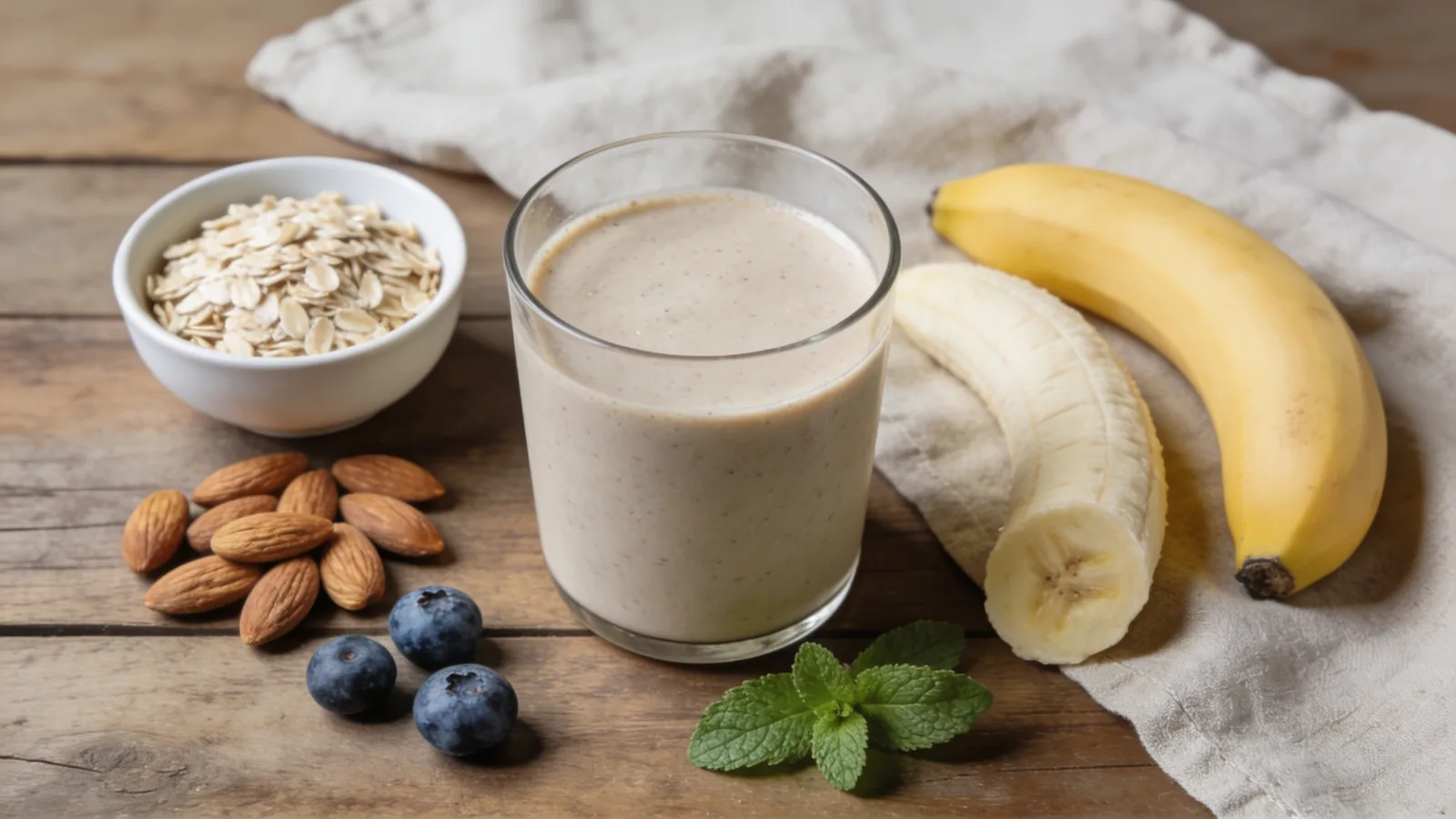
25g potato protein isolate, 1 cup unsweetened almond milk (30 cal), 1/2 cup frozen mixed berries (~35 cal), ice. The berries add about 4g of fiber, which helps with fullness.
5. Plain Protein Water — ~100 cal
25g potato protein isolate, 12 oz water, ice, optional pinch of cinnamon. Potato protein is water-soluble and stays drinkable at low pH, so it mixes thin and clear rather than chalky.
Potato protein isolate is not a token amount of plant protein, either. A 2020 study found that 25g of potato protein isolate, consumed twice daily, was effective at stimulating muscle protein synthesis in young women — the same 25g dose used in each recipe above (Nutrients, PMID:32349353). For background on the ingredient itself, see what is potato protein.
Will a Liquid Shake Keep You Full?
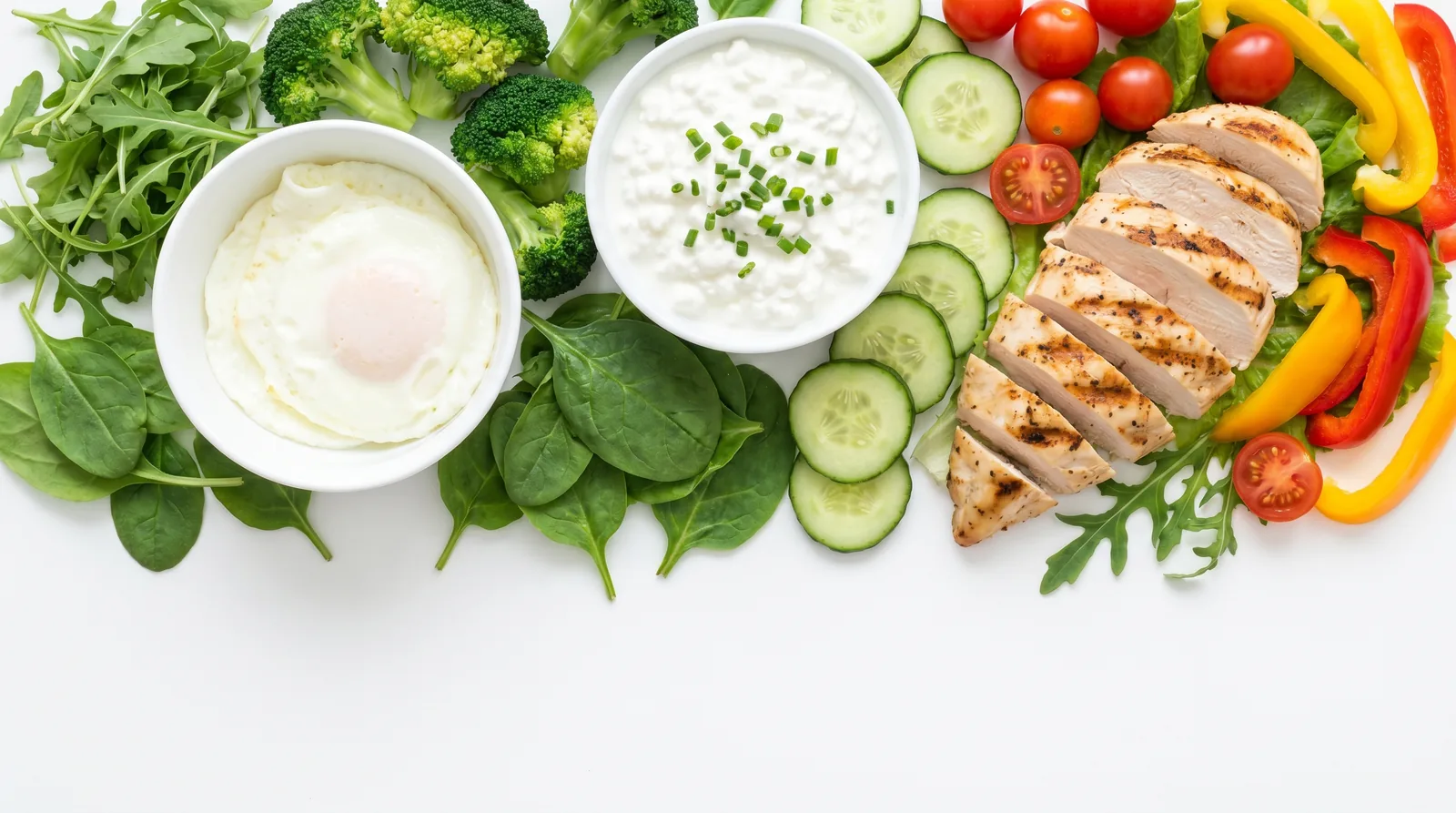
Liquid protein is generally less satiating than the same protein eaten as a solid meal, because liquids empty from the stomach faster. A shake will not hold you as long as a plate of eggs or cottage cheese with the same protein. The practical fix is to add fiber that slows digestion.
Stirring in 1 tablespoon of psyllium husk (~18 cal) or 1 tablespoon of chia seeds (~58 cal) adds soluble fiber that thickens the drink and slows gastric emptying, improving fullness. Even with chia, a base shake stays under 200 calories. High-protein meals also increase satiety and thermogenesis more than standard-protein meals, which is part of why protein matters during a calorie deficit (Journal of the American College of Nutrition, PMID:15466943).
If you want shakes to replace meals rather than supplement them, pairing them with solid high-protein food is worth understanding — our guide to high protein low calorie foods covers the options.