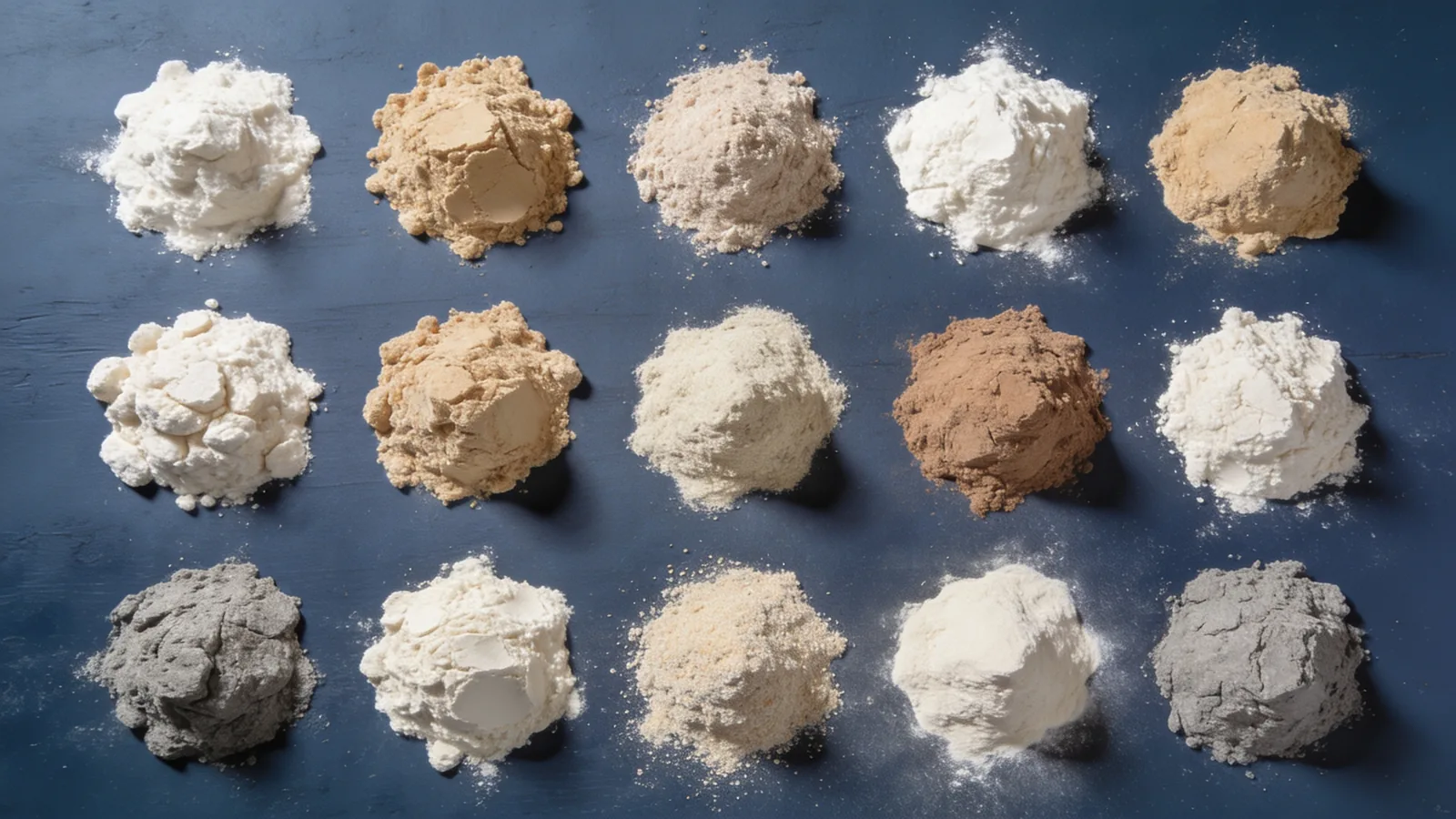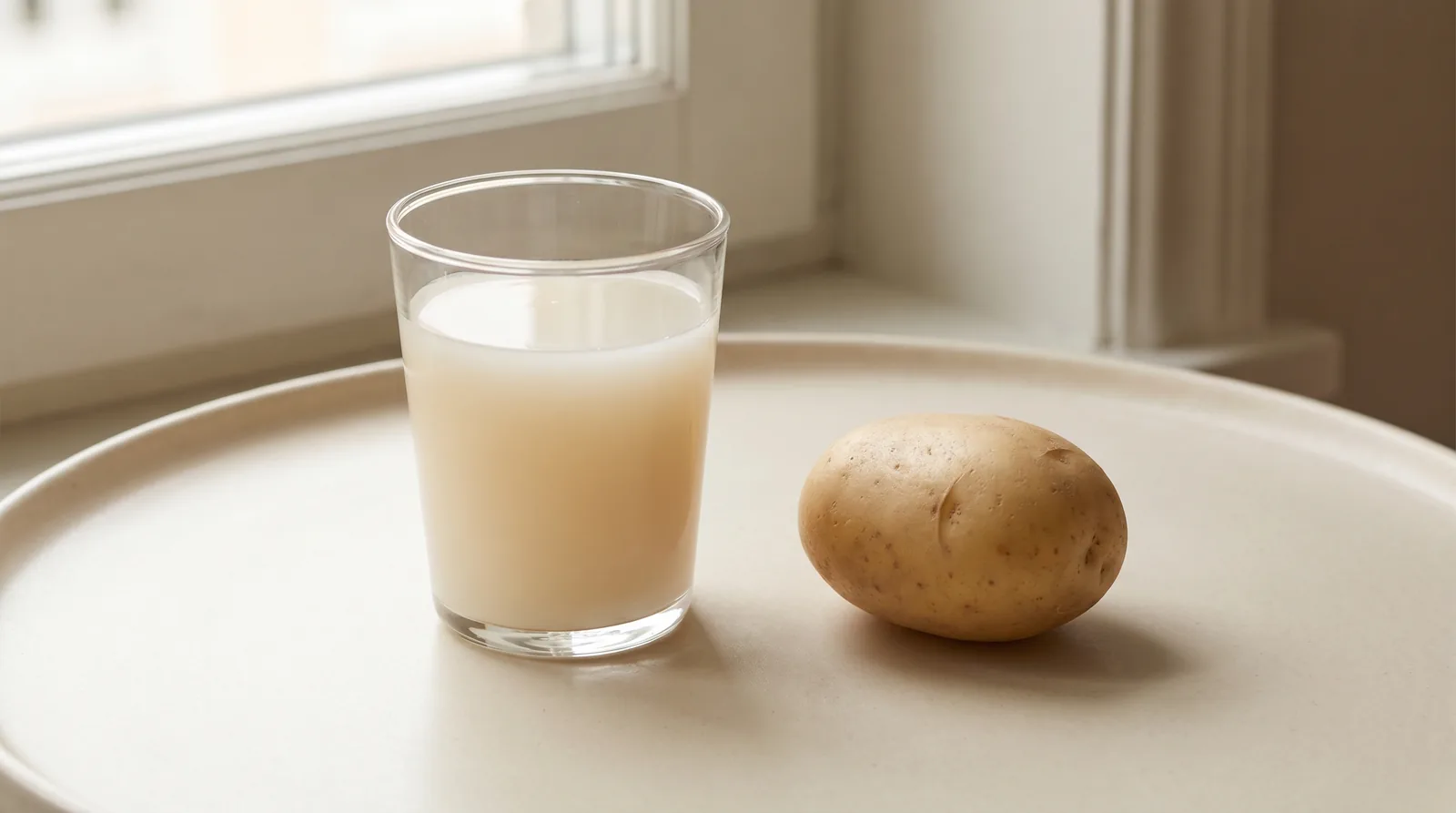
Choosing a protein powder for IBS, SIBO, or Crohn’s comes down to one variable most labels never print: FODMAP content. The protein source itself matters less than what rides along with it, and most powders carry hidden fermentable carbohydrates, gums, and sweeteners that set off symptoms within the hour. Potato protein isolate is one of the few protein sources Monash University has classified as low-FODMAP, which is why it keeps coming up for people who have run out of options.
For IBS, SIBO, and IBD, the safest protein powders are single-ingredient and low-FODMAP. Potato protein isolate is rated low-FODMAP by Monash University (2019), and whey protein isolate is lower in lactose than whey concentrate. The most common triggers are not the protein itself but added gums, inulin, chicory root, and high-FODMAP sweeteners. Read the full ingredient list, not the front of the tub.
- You keep a running mental list of foods that set off bloating, and you do not deviate from it casually
- You tried pea or whey protein once and regretted it within an hour
- Your gastroenterologist said the words “low-FODMAP” and now you read every label twice
- A flare costs you days of work and sleep, so experimentation is not a hobby for you
“You have read enough ingredient labels in pharmacy aisles to know that ‘gut-friendly’ on the front of a tub tells you nothing about what is on the back.”
The protein problem for a sensitive gut is real and underdiscussed. You may genuinely be under-eating protein because every powder you have tried punished you for it. Whole-food protein helps, but red meat sits heavy and many high-protein foods come with their own fermentable fiber. A powder solves the math, if you can find one that does not undo a week of careful eating. The difficulty is that the supplement aisle is built around taste and texture, both of which usually require the exact additives a reactive gut cannot process.
What Makes Protein Harder for Sensitive Guts
Three things determine whether a protein powder is tolerable: the FODMAP load of the protein source, the amount of protein that escapes digestion and ferments in the colon, and the list of additives bolted on for flavor and mouthfeel. Each one is a separate problem, and a powder can fail on any of them.
FODMAPs hide inside the protein itself
Monash University notes that plant-derived proteins such as soy and pea “can be particularly challenging to purify, and often contain some FODMAPs (eg. GOS and fructan).” Protein powders run 70–90% protein, yet they are frequently high in FODMAPs because even small amounts can trigger IBS symptoms. This is why a “vegan” or “plant-based” label tells you nothing useful about tolerability. Pea protein, the default in most plant blends, is one of the more common offenders. Potato protein, by contrast, is classified as low-FODMAP by Monash University (2019).
Whey concentrate carries more lactose than isolate
If you do tolerate dairy, the form matters. Monash University explains that whey protein isolates undergo more extensive processing, leaving a final product higher in protein, while whey concentrates are lower in protein and higher in carbohydrates like lactose. That means concentrate carries more of the FODMAP lactose than isolate. For a lactose-sensitive gut, whey isolate is the more conservative dairy choice, and lactose-free options exist. But neither addresses egg, soy, or the additive problem.
Undigested protein ferments in the colon
Quantity matters, not just source. When dietary protein exceeds what the small intestine can absorb and reaches the colon, gut bacteria ferment it into short-chain and branched-chain fatty acids, ammonia, phenolic and indolic compounds, biogenic amines, hydrogen sulfide, and nitric oxide (Am J Physiol Gastrointest Liver Physiol, 2018; PMID 29597354). That same review notes the amount of dietary protein is associated with intestinal disease across species, including inflammatory bowel disease in humans. The practical takeaway is not to avoid protein but to favor a highly digestible source and split it across smaller servings rather than one large dose.
The additives are usually the real trigger
Inulin and chicory root fiber, added for “gut health” marketing, are fructans and among the most reliable IBS triggers. Sugar alcohols (sorbitol, mannitol, xylitol, erythritol), gums, and high-FODMAP sweeteners do the same. A typical flavored powder has a dozen-plus ingredients, any one of which can be the culprit, which makes troubleshooting nearly impossible. This is the entire case for a single-ingredient powder: when there is one input, there is one variable to test. If you want the longer version of why minimal labels matter, our guide to what potato protein actually is walks through how the isolate is made and what is and is not in it.
What Actually Works for Sensitive Guts
What works is reducing the number of things you are asking your gut to process. A single-ingredient, low-FODMAP, highly digestible protein gives you the nutrition without the supporting cast of triggers. Potato protein isolate fits the brief on each count: Monash rates it low-FODMAP, it is allergen-free with no dairy, egg, soy, gluten, or nuts, and it is highly digestible. The 2020 study published in Nutrients found that 25g of potato protein isolate stimulated muscle protein synthesis in young women at rest and after exercise (PMID 32349353), and DIAAS values for potato protein isolate have been reported as high as 100% (Herreman et al., Food Science & Nutrition, 2020; PMID 33133540). In other words, gentle does not have to mean low quality.
A few practical rules hold up regardless of which product you land on. Start with a half serving and hold it there for several days before increasing, so a reaction points to a single cause. Split larger protein targets across the day rather than one big shake, which keeps more protein within the small intestine’s absorptive capacity. Mix with water or a tolerated milk alternative rather than reaching for inulin-fortified “gut” beverages. And read the ingredient line every time a brand reformulates, because they do.
One honest caveat, because credibility matters more than a tidy pitch: plant proteins as a category test higher for heavy metals than dairy. The Clean Label Project’s 2025 Protein Study 2.0 found plant-based powders contained five times more cadmium than whey-based varieties, and Consumer Reports (2025) found plant-based products averaged nine times the lead of dairy-based powders. That is a sourcing-and-testing problem, not an inherent property of any one crop, which is exactly why third-party batch testing matters. If you are weighing the broader trade-offs, our overview of the easiest proteins to digest and the rundown of common protein problems are useful next reads.
For a reactive gut, that is not a marketing line, it is the only feature that matters: when something does go wrong, you know exactly what to blame.