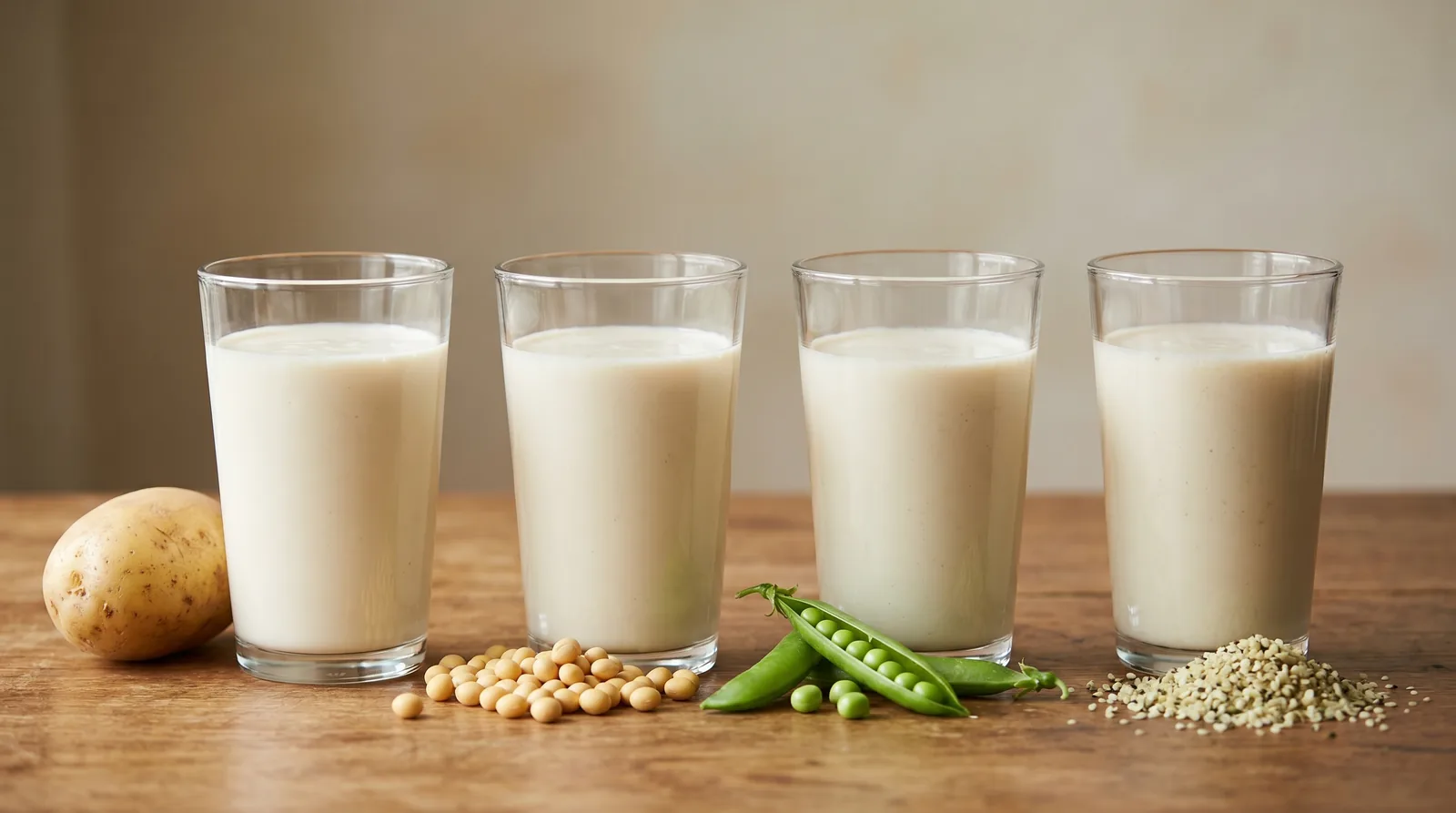
The best plant based protein powder is the one with the shortest ingredient list, a verified protein-quality score, and third-party heavy-metal testing you can actually read. Those three things matter more than the flavor on the label or the number on the front. Below, we explain how to weigh each factor and walk through the main category options worth considering.
The healthiest plant-based protein powder is the one with the fewest ingredients, a high protein-quality score, and published heavy-metal results. Single-ingredient potato protein isolate reports a DIAAS as high as 100% and is low-FODMAP and free of dairy, soy, egg, nut, and gluten. Among multi-ingredient blends, look for one leucine-matched to whey — a typical 20g plant blend supplies roughly half the leucine of whey unless it is fortified.
Here is how to evaluate the powders in each category.
Top Options by Category
Single-Ingredient Potato Protein Isolate
Single-ingredient, high protein quality
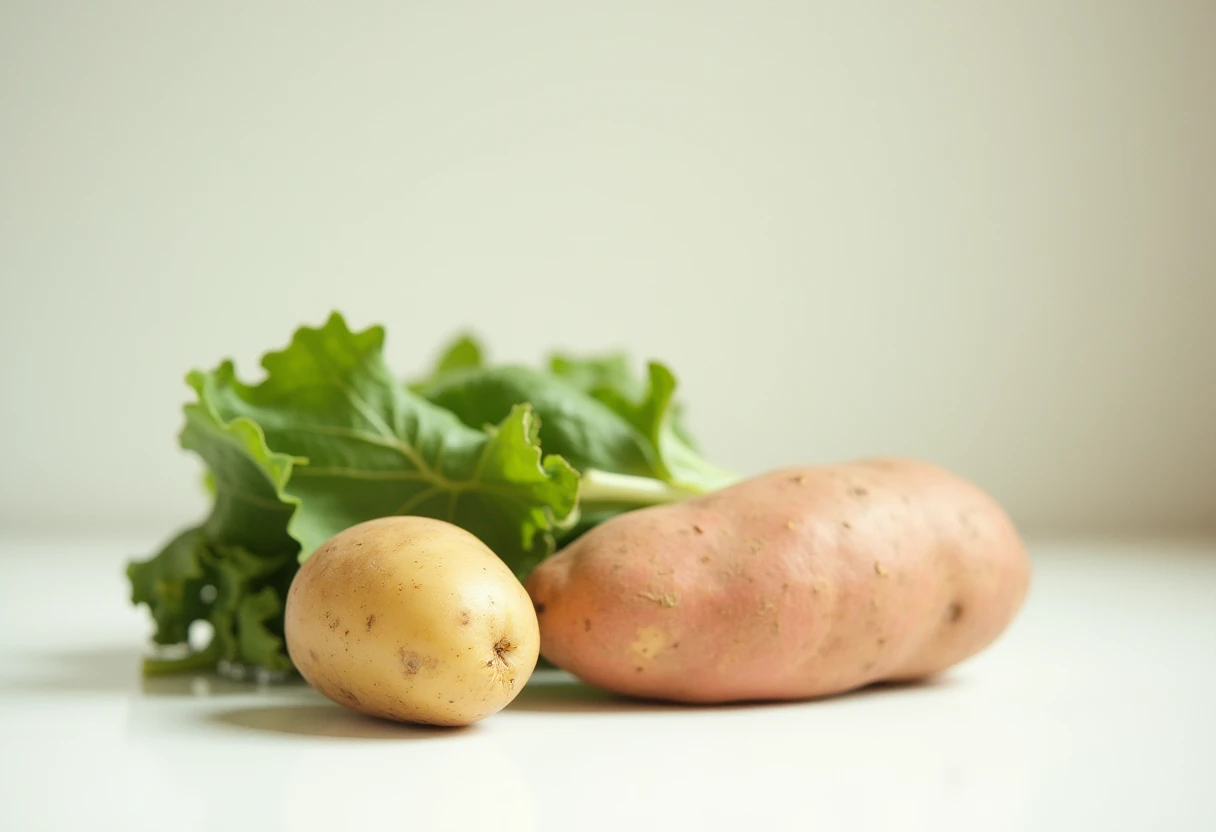
Potato protein isolate runs 80–95% protein on a dry basis, and its protein quality is unusually high for a plant source — a Digestible Indispensable Amino Acid Score reported as high as 100% (Food Science & Nutrition, Herreman et al., 2020, PMID:33133540). In young women, 25g of potato protein isolate taken twice daily stimulated muscle protein synthesis at rest and after resistance exercise (Nutrients, 2020, PMID:32349353). It is rated low-FODMAP (Monash FODMAP, 2019) and free of the major allergens, making it a strong choice for the allergen-free protein reader. Unflavored versions disappear into food.
Pros:
- Single ingredient — never squint to read the label
- DIAAS reported as high as 100%
- Low-FODMAP; free of dairy, soy, egg, nut, gluten
- Third-party heavy-metal testing available from reputable suppliers
Cons:
- Unflavored — you add the taste
- Earthy on its own; better blended into recipes
- Less independent flavor data than longer-established powders
Organic Plant-Based Blend (Stevia-Free)
Flavored multi-ingredient, widely available
Stevia-free organic plant blends typically supply around 15–21g of plant-based protein per serving and are among the easiest plant proteins to find on a shelf. Being a blend helps round out the amino-acid profile but lengthens the ingredient list. One caveat that applies to every organic powder here: in the Clean Label Project’s 2025 Protein Study 2.0, certified organic protein powders averaged three times the lead of non-organic products.
Pros:
- Blend covers complementary amino acids
- Often available stevia-free
- Widely stocked and easy to reorder
Cons:
- Multi-ingredient blend
- Organic powders averaged higher lead in testing
- Pea/rice base can carry FODMAPs
Single-Ingredient Pea Protein
Single-ingredient, pea-based
A single-ingredient pea protein is just yellow pea protein — nothing else — and it is a credible one-input option if you prefer pea. Pea is lysine-rich (averaging 7.9 g/100g protein) but its limiting amino acid is methionine plus cysteine, with a chemical score around 46% (Molecules, 2024, PMID 39519674). That is the classic pea trade-off — strong on some essential amino acids, short on others. We compare the two sources directly in our potato-versus-rice breakdown.
Pros:
- Single ingredient
- High in lysine and leucine (≈7.1 g/100g)
- Dairy-, soy-, egg-, and gluten-free
Cons:
- Limited by methionine + cysteine
- Pea can contain FODMAPs that trigger IBS symptoms
- Distinct pea taste
Organic Plant-Based Blend (No Added Sweetener)
Multi-ingredient, no added sweetener
Unsweetened organic plant blends often land lower on protein per serving — commonly around 15g with 0g of sugar — which can be a reasonable trade if you avoid sweeteners entirely. As a blend it carries more ingredients, and the same organic heavy-metal caveat applies. If sweeteners are your sticking point, our guide to protein powder without sucralose or stevia goes deeper.
Pros:
- Available with 0g sugar and no added sweetener
- Blend covers complementary amino acids
- Organic certification
Cons:
- Lower protein per serving than concentrated isolates
- Longer ingredient list
- Organic powders averaged higher lead in testing
How These Protein Sources Compare
Protein quality is not interchangeable across sources. The table below sets the major options side by side on quality, leucine, allergen status, and FODMAP rating. Reliable, published PDCAAS figures are not established for every source, so cells without a verified value are left as an em-dash rather than filled with a guess.
| Source | Type | Protein quality | Leucine (g/100g protein) | Major allergen? | FODMAP rating |
|---|---|---|---|---|---|
| Potato isolate | Single ingredient | DIAAS up to 100; AAS 65% | — | No | Low |
| Pea isolate | Single ingredient | Limited by Met+Cys (score ≈46%) | ≈7.1 | No | Can contain FODMAPs |
| Whey isolate | Dairy | PDCAAS 1.00; 90–95% protein | — | Yes (dairy) | <1% lactose |
| Wheat gluten | Plant | PDCAAS ≈0.25 | — | Yes (gluten) | — |
| Egg white | Animal | PDCAAS 1.00 | — | Yes (egg) | — |
Potato protein’s amino-acid score of 65% (PMID:34507729) and its DIAAS reported as high as 100% (Food Science & Nutrition, Herreman et al., 2020, PMID:33133540) put it among the highest-scoring vegetable proteins. Whey isolate and egg white still sit at the established PDCAAS ceiling of 1.00 — under the PDCAAS method, values above 100% are truncated to that ceiling (Journal of Nutrition, 2000, PMID:10867064); we say so because being honest about where animal protein wins is what makes the rest of this guide trustworthy. For the full method behind these numbers, see PDCAAS explained.
What to Look For on Your Own
Once you leave a curated list, four things separate a defensible plant protein from a marketing exercise.
Protein quality, not just protein grams
Plant proteins generally have lower protein-quality scores than animal proteins (Applied Physiology, Nutrition, and Metabolism, 2022, PMID:35508011), and the 2024 review on protein structure and bioavailability notes that animal proteins generally score higher than plant proteins on both PDCAAS and DIAAS (Foods, 2024, PMID 38890999). The practical lever is leucine. A 20g plant-based blend supplied 1.5g of leucine — half the leucine of an equivalent whey dose — and its muscle protein synthesis response was significantly lower; when free leucine was added to bring the blend to 3.0g, the response (0.049%/h) became statistically indistinguishable from whey (0.046%/h) (J Nutr / PMC11153912, 2024). So a single high-quality source, or a leucine-matched blend, beats a long blend chosen at random. We go deeper in whey vs plant protein for muscle.
Published heavy-metal testing
This is the part most “healthiest” lists skip. Consumer Reports tested 23 protein powders and shakes in October 2025 and found more than two-thirds contained more lead per serving than its safe daily limit of 0.5 micrograms — and lead levels in plant-based products averaged nine times higher than dairy-based powders. The Clean Label Project’s 2025 Protein Study 2.0 tested 160 products from 70 brands and found 47% exceeded at least one federal or state safety standard, with plant-based powders carrying five times more cadmium than whey-based varieties. Organic did not help: organic powders averaged three times the lead of non-organic, and chocolate powders held 110 times more cadmium than vanilla. The only defense is a product that publishes its results.
A label you can read
A single-ingredient powder removes the guesswork. Every gum, flavor system, and sweetener is one more thing the autoimmune-aware adult or the allergy parent has to vet. If you want the broader framework, our complete buyer’s guide and what is potato protein cover it in full.
Digestibility for your gut
Monash University notes that soy and pea can be challenging to purify and often contain FODMAPs such as GOS and fructans, and that even small amounts can trigger IBS symptoms. Potato protein is rated low-FODMAP. There is an upside to plant protein beyond the gut feel: diets rich in plant proteins increase anti-inflammatory butyrate-producing bacteria and bacterial diversity compared with animal-protein diets (Nutrients, 2023, PMID:37375578), and a higher plant-to-animal protein ratio was associated with a 19% lower risk of cardiovascular disease (American Journal of Clinical Nutrition, Glenn AJ et al., 2024, PMID:39631999).