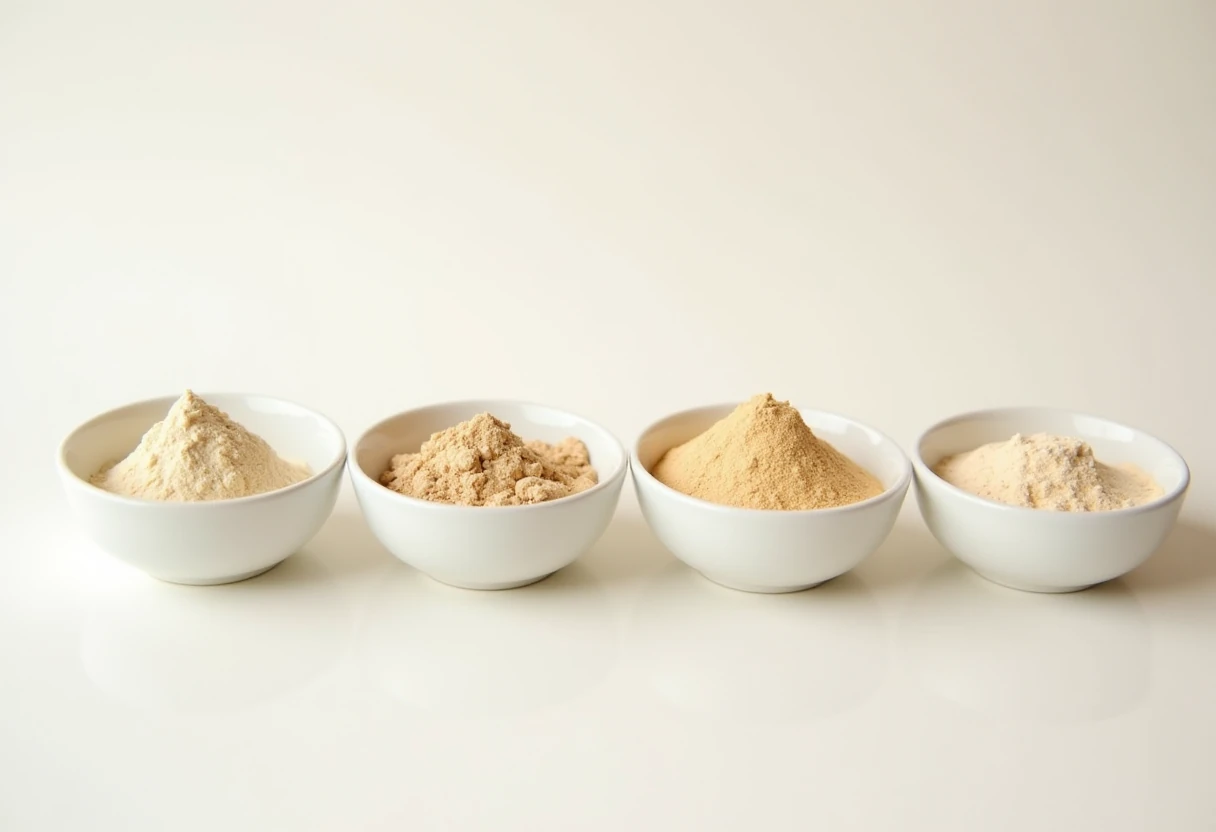
The best unflavored protein powder is the one you cannot taste once it is in your food — and that is a higher bar than most labels admit. We mixed each powder one scoop to eight ounces of cold water, plain, and drank it. Then we scored taste neutrality, protein quality, protein by weight, calories, ingredient count, and mixability. Below is how four common types ranked, and where each one earns its place.
The best unflavored protein powder for true taste neutrality is single-ingredient potato protein isolate: it is 80–95% protein by weight, scores at or near the maximum PDCAAS of 1.00, is low-FODMAP, and contains no dairy, soy, egg, or nut allergens. A single-ingredient pea protein is the strongest plant runner-up despite a faint grassy note, and an unflavored whey isolate is the best choice for anyone who tolerates dairy and wants whey’s high leucine content.
We evaluated each powder the way a label-reader would: by the numbers on the panel and by drinking it unmixed in cold water.
The Comparison Table
All four powders were tested unflavored and unsweetened. Numbers below reflect typical single-ingredient products in each category.
| Protein type | Taste neutrality (1–10) | PDCAAS | Protein % by weight | Calories / 25g protein | Ingredients | Mixability in water |
|---|---|---|---|---|---|---|
| Potato protein isolate | 10 | ~1.00 | 80–95% | ~100 | 1 | Excellent |
| Single-ingredient pea protein | 6 | ~0.69 | ~80% | ~120 | 1 | Good |
| Unflavored whey isolate | 5 | 1.00 | ~80% (concentrate) | ~120 | 1 | Excellent |
| Brown rice protein | 3 | ~0.50 | ~75% | ~130 | 1 | Gritty |
Top Options by Category
Potato Protein Isolate (single ingredient)
Single ingredient, fully neutral
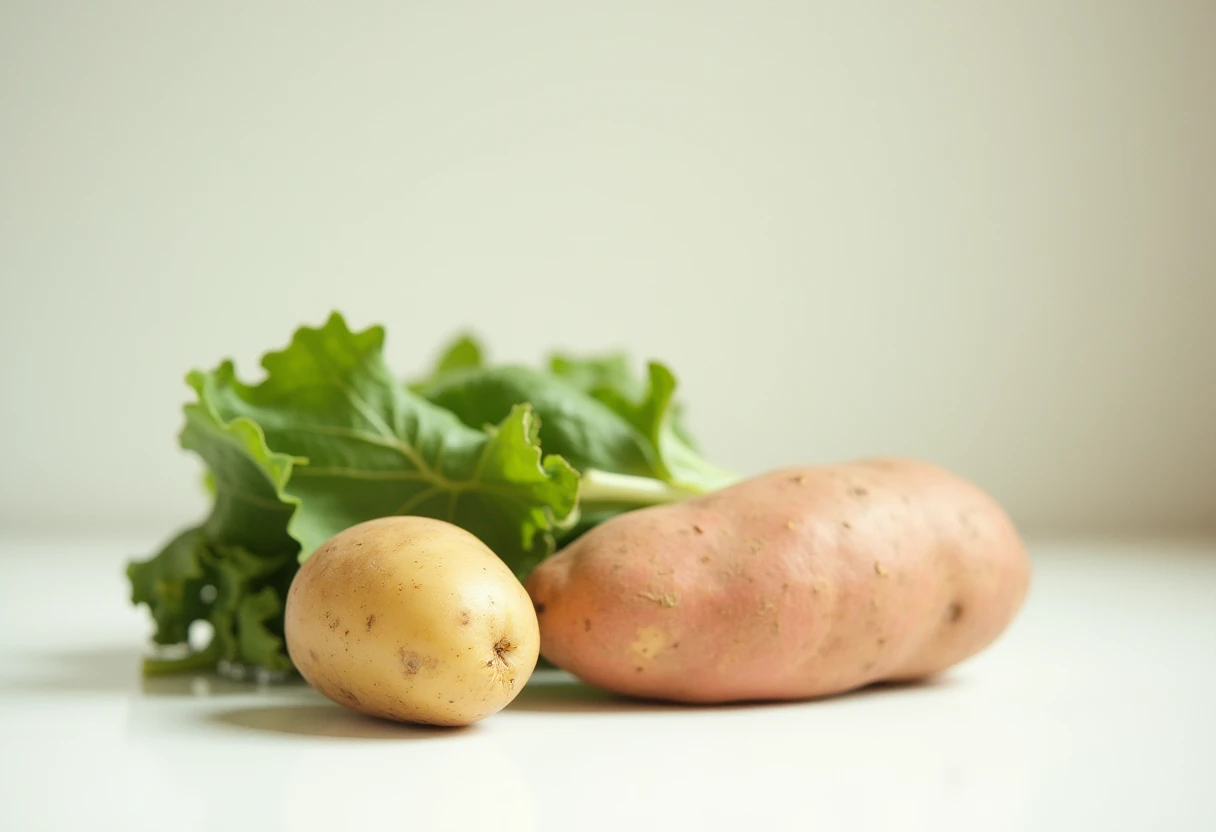
Potato protein isolate scored a 10 on taste neutrality — it is the only powder in the test that genuinely vanished into plain cold water. That neutrality is the whole point of an unflavored powder, and it is why potato protein disappears into soup, oatmeal, sauces, and batter without announcing itself. It is also 80–95% protein by weight on a dry basis, and a 25g dose of potato protein isolate has been shown to stimulate muscle protein synthesis at rest and after resistance exercise in young women (Nutrients, 2020, PMID:32349353). DIAAS for potato protein isolates has been reported as high as 100% (Food Science & Nutrition, Herreman et al., 2020, PMID:33133540), and potato protein is a low-FODMAP source (Monash University, 2019), which matters for anyone with a sensitive gut.
Pros:
- Genuinely tasteless in cold water — best neutrality in the test
- Complete protein at or near the maximum PDCAAS of 1.00
- No dairy, soy, egg, gluten, or nuts — single ingredient
- Low-FODMAP and easy on digestion
- 80–95% protein by weight, roughly 100 calories per 25g dose
Cons:
- Lower leucine and glutamine than whey, so the post-exercise amino acid spike is gentler
- Less widely stocked than pea or whey
Single-Ingredient Pea Protein
Single ingredient, widely available plant option
A single-ingredient pea protein is just yellow pea protein — nothing else — and it is the most useful of the genuinely single-ingredient plant powders. Pea protein is rich in lysine — across new pea genotypes lysine averaged 7.9 g/100g protein and leucine 7.1 g/100g (Molecules, Fraś et al., 2024, PMID:39519674) — but its limiting amino acid is methionine plus cysteine, averaging only 2.6 g/100g protein, a chemical score of 46%. That is why its PDCAAS sits below potato and whey. In the glass it carries a faint grassy, earthy note that scored a 6: not unpleasant, but you will notice it in plain water. It hides well in a smoothie. Pea also has a small environmental edge, with a lower carbon footprint per 100g of protein than most animal sources.
Pros:
- Single ingredient, widely stocked
- High in lysine; complete enough for general use
- Low environmental footprint
Cons:
- Faint grassy taste — not fully neutral
- Limiting in methionine/cysteine, lower PDCAAS
- Pea can carry FODMAPs (GOS, fructans) that bother IBS-prone users (Monash University FODMAP)
Unflavored Whey Isolate
Dairy-based, high leucine
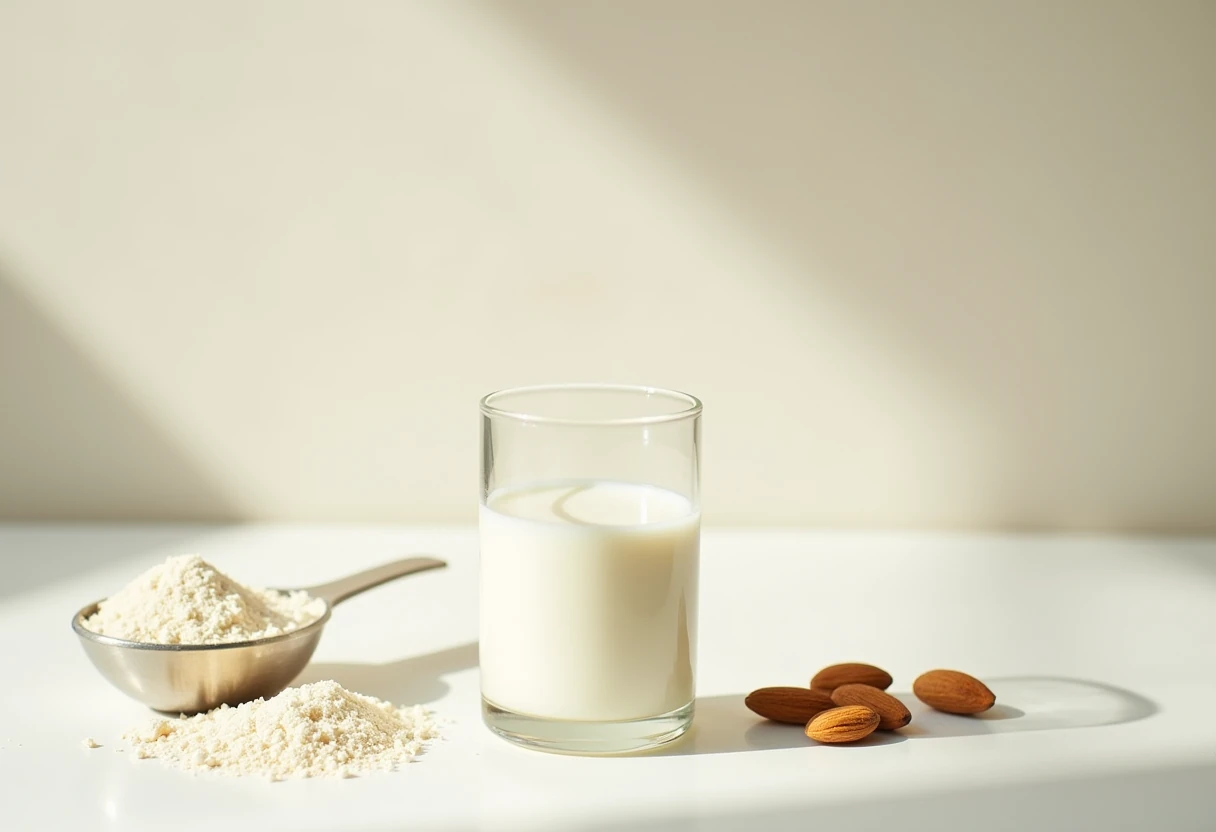
If you tolerate dairy, whey is hard to beat on protein quality. Whey is a complete protein with a PDCAAS of 1.00, and its rapid digestion and high leucine content stimulate postprandial muscle protein accretion more effectively than slower proteins in older men (The American Journal of Clinical Nutrition, 2011, PMID:21367943). It mixes cleanly in water. The catch for an unflavored powder is the smell: even unsweetened whey concentrate carries a mild dairy aroma that scored a 5, and concentrate retains more lactose than isolate, since isolates undergo more processing to reach a higher protein fraction (Monash University FODMAP). Whey isolate typically runs around 90–95% protein with under 1% lactose and is the better choice if lactose is a concern.
Pros:
- PDCAAS 1.00, high leucine, fast absorption
- Excellent mixability
- Single ingredient (unflavored whey isolate)
Cons:
- Mild dairy smell — not flavor-neutral
- Contains lactose; concentrate more than isolate
- Unsuitable for dairy allergy or intolerance
Brown Rice Protein
Budget hypoallergenic option, with caveats
Brown rice protein is hypoallergenic and inexpensive, which keeps it on the list. But it scored lowest on taste — a 3 — for a chalky, gritty texture that does not fully dissolve in water and leaves a faintly mineral aftertaste. It is also limiting in lysine, so on its own it is an incomplete amino acid profile; rice and pea are often blended specifically to cover each other’s gaps. As a standalone unflavored powder it works best cooked into something with body, not sipped plain.
Pros:
- Hypoallergenic and low cost
- Available as a single ingredient
Cons:
- Gritty texture, lowest taste neutrality
- Limiting in lysine — incomplete on its own
- Poor mixability in water
How to Test Any Unflavored Protein for True Neutrality
To test whether an unflavored protein powder is genuinely tasteless, mix one scoop with eight ounces of cold water, add nothing else, and drink it plain. A truly neutral powder reads as faintly starchy water; a flawed one announces grass, chalk, or a dairy smell within the first sip. Always taste it unmixed before you judge it inside a recipe — flavor systems and sweeteners hide a multitude of off-notes.
Cold water matters. Warm water amplifies the aromas in whey and the grassy compounds in pea, so a powder that seems fine in hot oatmeal can taste different blended into a room-temperature shake. We ran every powder cold, plain, and unsweetened precisely because that is the unforgiving condition. For more on dosing and everyday use, see our guide to unflavored protein powder and how to use it.
What to Look For on Your Own
Taste neutrality is the headline, but four other things decide whether an unflavored powder is worth keeping in the cupboard.
Ingredient count. A real unflavored powder is one line on the panel: the protein, and nothing else. The moment you see “natural flavors,” gums, or a sweetener, you are no longer buying unflavored — you are buying lightly flavored. Single-ingredient powders are also the safest choice for allergy households and anyone managing an autoimmune condition, because there is simply less to react to. Our allergen-free protein guide walks through why fewest inputs is the entire safety argument.
Protein quality, not just quantity. A high protein percentage is meaningless if the amino acid profile is incomplete. PDCAAS and DIAAS exist to capture this, and animal proteins generally score higher than plant proteins (Foods, 2024, PMID:38890999). Potato protein is the notable plant exception, scoring with the animal proteins rather than below them. If you want the mechanics, read PDCAAS explained.
Heavy-metal testing. This is where unflavored has a quiet advantage. The Clean Label Project’s 2025 Protein Study 2.0 tested 160 products from 70 brands and found that 47% exceeded at least one federal or state safety standard, and that chocolate-flavored powders contained 110 times more cadmium than vanilla varieties. Plant-based powders carried five times more cadmium than whey-based ones in that testing, and Consumer Reports (2025) found plant-based products averaged nine times more lead than dairy-based powders. The takeaway is not “avoid plant protein” — it is “buy a product that publishes its third-party testing.” Choosing unflavored sidesteps the cocoa problem entirely.
Mixability for your actual use. Whey and potato isolate both dissolve cleanly; rice does not. If you mostly bake or cook, grit matters less. If you sip shakes, it matters a lot. The matrix below maps type to job.
| Use case | Best fit | Why |
|---|---|---|
| Baking (muffins, pancakes, breads) | Potato protein isolate | Neutral flavor and good water-binding; disappears into batter |
| Smoothies | Single-ingredient pea protein or potato | Fruit and dairy mask grassy notes; either works |
| Hot savory cooking (soups, sauces) | Potato protein isolate | No sweetness or dairy smell to clash with savory food |
| Plain water/milk shakes | Potato isolate or unflavored whey isolate | Highest mixability and neutrality when nothing hides the powder |
Heating does not destroy a powder’s protein content, so cooking and baking with any of these is fine from a nutrition standpoint. The deciding factor in the kitchen is flavor and texture, not whether the protein “survives.” For recipes built around neutral protein, see our recipe index.