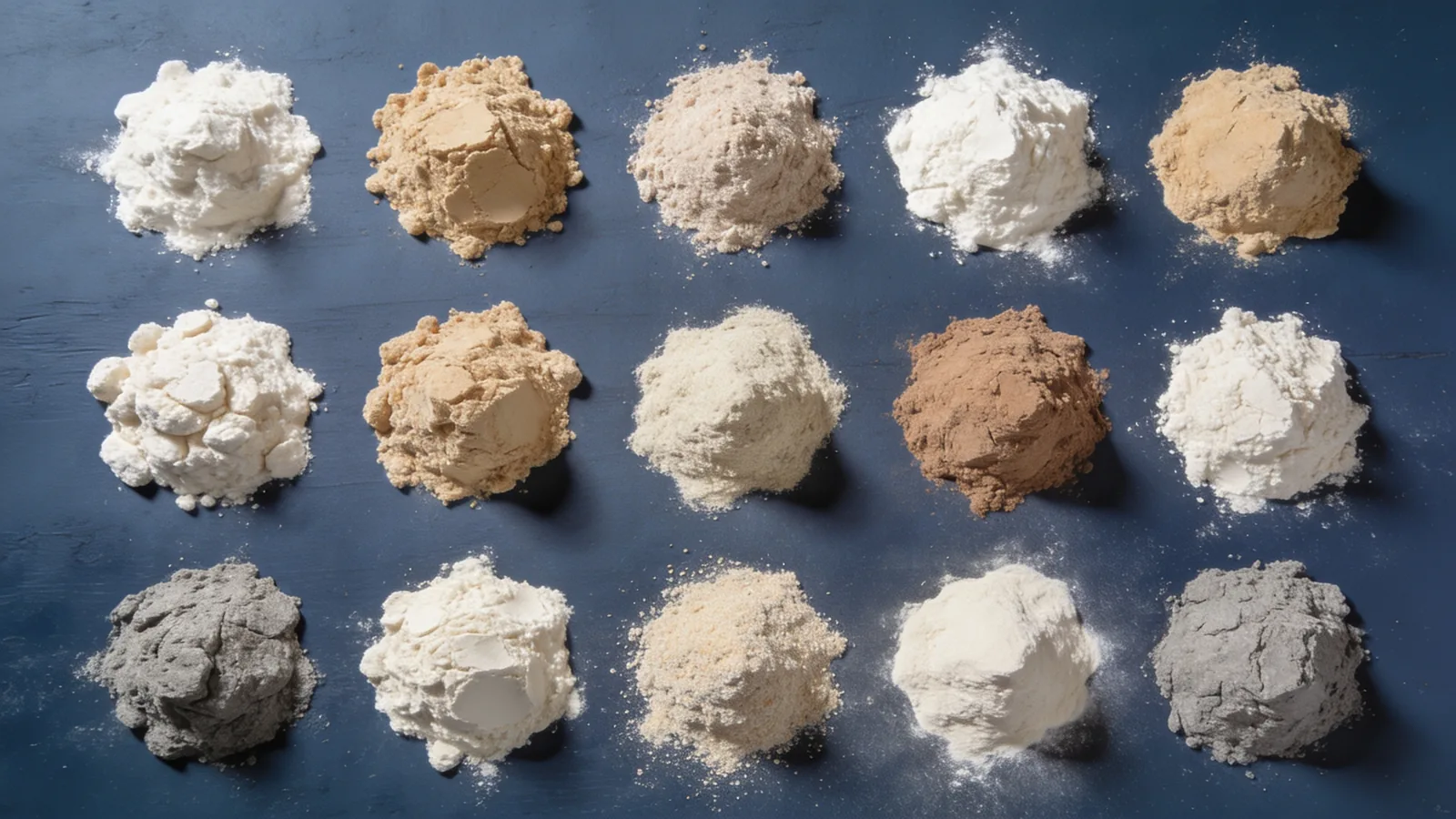
The whey protein vs plant protein question usually comes down to one measurable thing: how strongly each one stimulates muscle protein synthesis after you drink it. On that metric whey wins, but by a smaller margin than most people assume — and the gap is one you can close. A 2024 trial found that 20 g of a plant-based blend raised myofibrillar synthesis to 0.041%/h versus whey’s 0.046%/h, with whey producing about 12.1% more synthesis on average (J Nutr, PMC11153912, 2024).
Plant protein has four measurable downsides versus whey: lower leucine, lower digestibility (PDCAAS/DIAAS), more FODMAPs, and more cadmium. You avoid them by choosing a high-DIAAS source like potato or soy isolate, dosing to at least 3 g of leucine, combining complementary proteins, and picking a low-FODMAP, third-party-tested powder. Done right, an 84-day trial showed pea and whey produced comparable muscle gains (2.3% vs 2.4%, P = 0.92).
Get the cardiovascular and digestive benefits of plant protein without sacrificing muscle, comfort, or label integrity. What you need: A high-DIAAS plant isolate · A leucine target · A Certificate of Analysis · Time: 10 min
How to Close the Gap, Step by Step
Understand the actual size of the gap
Whey is a complete protein supplying all nine essential amino acids (INTEGRIS Health, 2023), and its rapid digestion plus high leucine make it more effective than casein at stimulating muscle protein accretion in older men (American Journal of Clinical Nutrition, PMID:21367943). Plant proteins induce a lower, slower rise in essential amino acids and leucine after a meal, which is the mechanical reason they trail whey acutely.
But “acutely” is the operative word. Over a full training block the difference narrows dramatically. In an 84-day randomized trial of 50 sedentary adults doing weekly resistance training, pea protein (~20–22.5 g/day) and whey produced comparable gains in muscle mass (2.3% vs 2.4%, P = 0.92) and whole-body strength, with no significant between-group difference (Nutrients, PMC11243455, 2024). The gap you read about is a single-dose snapshot, not a verdict on long-term results.
Choose a high-DIAAS plant source
Not all plant proteins are equal, and this is where most people sabotage themselves. PDCAAS and DIAAS measure how completely your body digests and uses a protein (Schaafsma, Journal of Nutrition, PMID:10867064), and the spread within plant proteins is enormous: wheat gluten scores around 0.25 on PDCAAS while egg scores 1.00 under the FAO/WHO scoring pattern. Pick badly and you are eating mostly filler amino acids.
Potato protein sits at the top of the plant category. It is classified as an excellent-quality protein with an average DIAAS above 100% — on par with casein and egg — while soy and whey land in the high-quality tier (DIAAS ≥75%) and most other plant sources fall below 75% (Herreman et al., Food Science & Nutrition, PMID:33133540). If you want the mechanics behind these numbers, see our explainer on PDCAAS and protein quality. The single-ingredient potato protein isolate is one example of a plant source that clears the quality bar most pea and rice powders miss.
Hit the leucine threshold
Leucine is the amino acid that triggers muscle protein synthesis, and it is exactly where plant doses fall short. That same 2024 trial measured 1.5 g of leucine in a 20 g plant blend — half the leucine of an equivalent whey dose. That deficit, not some mystical inferiority, is why the plant blend trailed.
The fix is direct. When researchers added free leucine to bring the plant blend up to 3.0 g, its synthesis response (0.049%/h) became statistically indistinguishable from whey (0.046%/h, P = 0.052) — the gap closed entirely (J Nutr, PMC11153912, 2024). Practically: dose a high-quality plant isolate at 30–40 g rather than 20 g, or choose one with a leucine content that reaches roughly 3 g per serving. Potato protein isolate contains 37% essential amino acids versus whey isolate’s 43% (Amino Acids, PMID:30167963), so the adjustment is modest, not heroic.
Tip: If you are over 50, lean toward the higher end. Aging blunts the synthesis response to a given protein dose — a phenomenon called anabolic resistance (PMID:23558692) — so the leucine target matters more, not less.
Combine proteins to fill amino-acid gaps
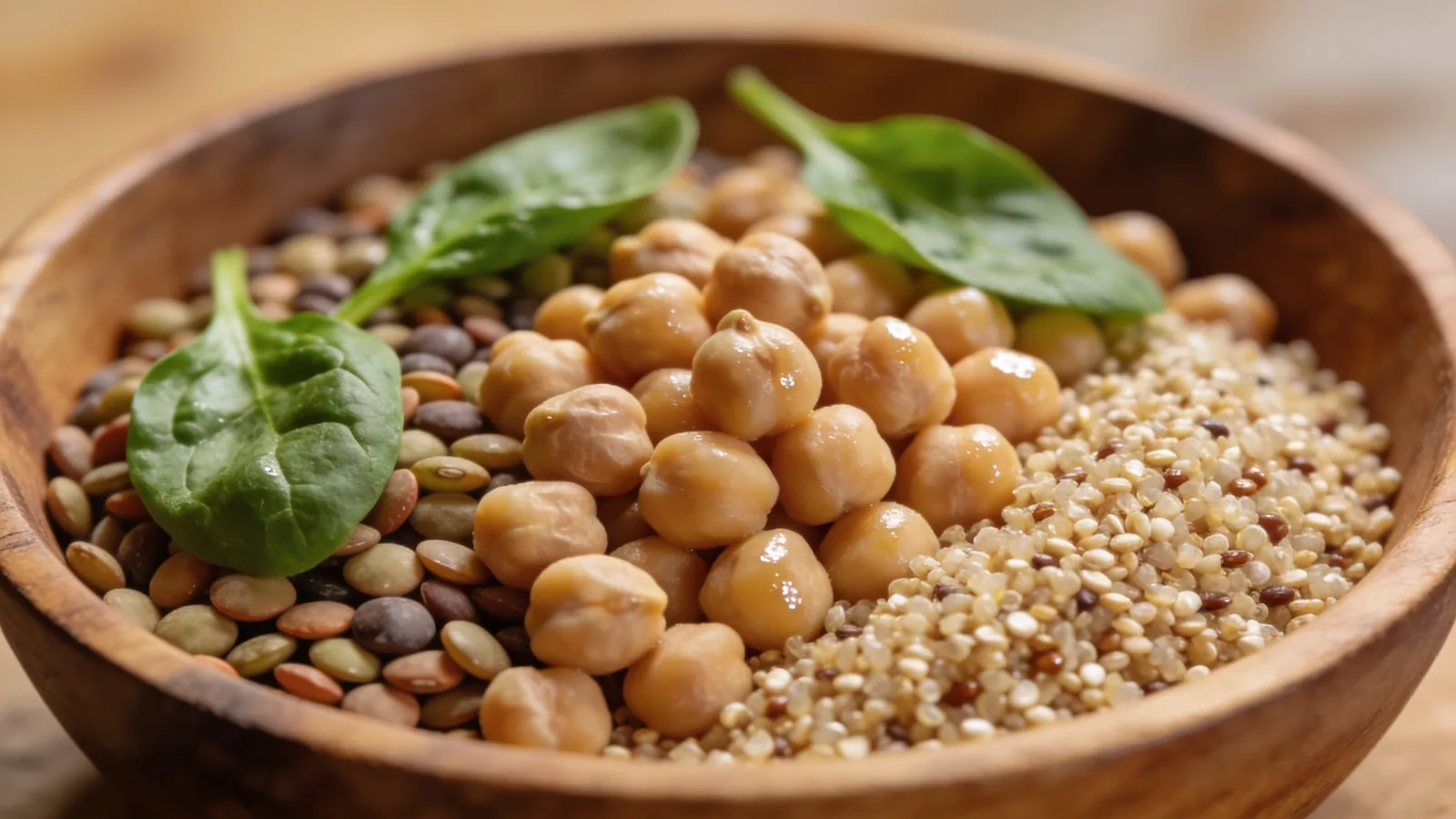
Most single plant proteins are “incomplete” because they run low on one amino acid. Pea is the classic example: across new pea genotypes, the limiting amino acid is methionine plus cysteine at just 2.6 g/100 g of protein — a chemical score of only 46% (Foods, PMC11547519, 2024). Rice runs the opposite way, low in lysine but adequate in the sulphur amino acids pea lacks.
Pair them and the gaps cancel out. Researchers have used linear programming to formulate blends of pea, rapeseed, and rice that match the WHO reference profile or even animal protein profiles (Frontiers in Nutrition, PMID:35187024). You do not need a spreadsheet to benefit from this: the Academy of Nutrition and Dietetics states that an assortment of plant foods eaten across a day provides all essential amino acids and ensures adequate nitrogen retention in healthy adults (Journal of the American Dietetic Association, PMID:19562864). For a deeper walkthrough, see our guide to combining plant-based complete proteins.
Sidestep the FODMAP problem
This is the downside nobody warns you about until your stomach does. Monash University notes that plant-derived proteins such as soy and pea “can be particularly challenging to purify, and often contain some FODMAPs (eg. GOS and fructan)” — and because even small amounts can trigger IBS symptoms, powders that are 70–90% protein can still cause bloating (Monash FODMAP). Whey is not automatically safe either: concentrate carries more of the FODMAP lactose than isolate, which is why isolate sits at 90–95% protein and under 1% lactose.
If digestion is your weak point, the source matters more than the marketing. Potato protein is classified as a low-FODMAP protein source (Monash FODMAP, 2019), which is part of why it shows up in our roundup of solutions to common protein problems. Choosing an isolate over a concentrate, and a low-FODMAP plant over pea or soy, removes the most common cause of plant-protein discomfort.
Screen for heavy metals before you buy
Plant proteins draw metals up from soil, and the testing data is sobering. The Clean Label Project’s 2025 Protein Study 2.0, run by independent lab Ellipse Analytics using ICP-MS, found plant-based powders contained five times more cadmium than whey-based varieties. Flavour compounds the problem: chocolate-flavoured powders held 110 times more cadmium than vanilla, and 65% of chocolate powders exceeded California Prop 65 levels. Certified-organic products averaged three times the lead of non-organic ones.
You reduce exposure with three habits. Choose vanilla or unflavoured over chocolate. Prefer a single-ingredient powder — fewer inputs, fewer places for contamination to hide. And read the actual lab results: check the brand’s Certificate of Analysis before you commit, the way you already read every other label.
Pitfall: Do not assume “organic” means lower metals. In the 2025 testing it meant the opposite for lead. A Certificate of Analysis tells you what the marketing word cannot.
Checklist
- Pick a plant isolate with a DIAAS near 100% — potato, not low-scoring wheat or generic blends.
- Dose to roughly 3 g of leucine, which usually means 30–40 g of a plant isolate.
- Combine complementary proteins (pea + rice) if you rely on a single low-scoring source.
- Favour low-FODMAP sources and isolates over concentrates if you bloat.
- Buy unflavoured or vanilla, single-ingredient, and verified by a Certificate of Analysis.