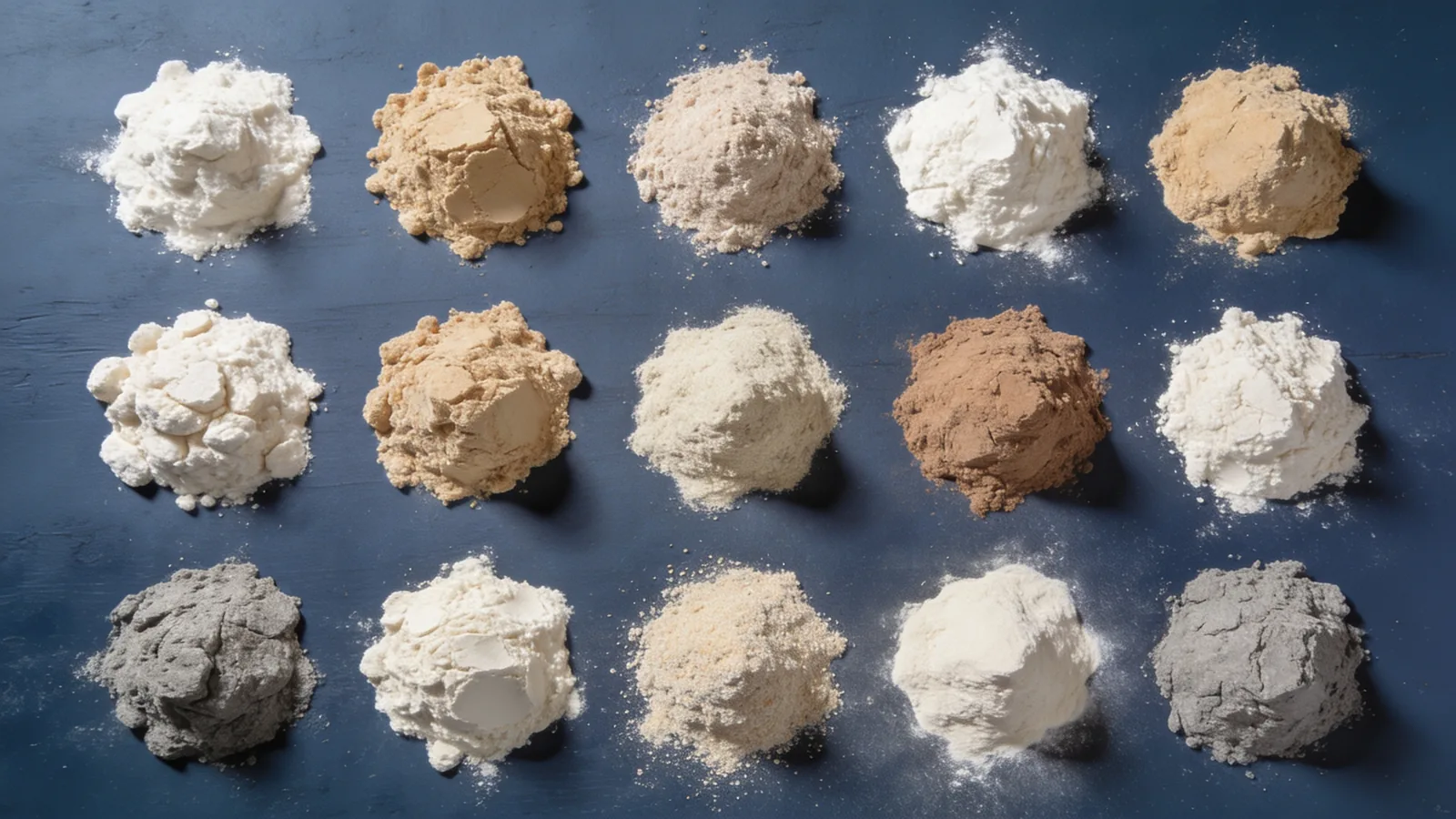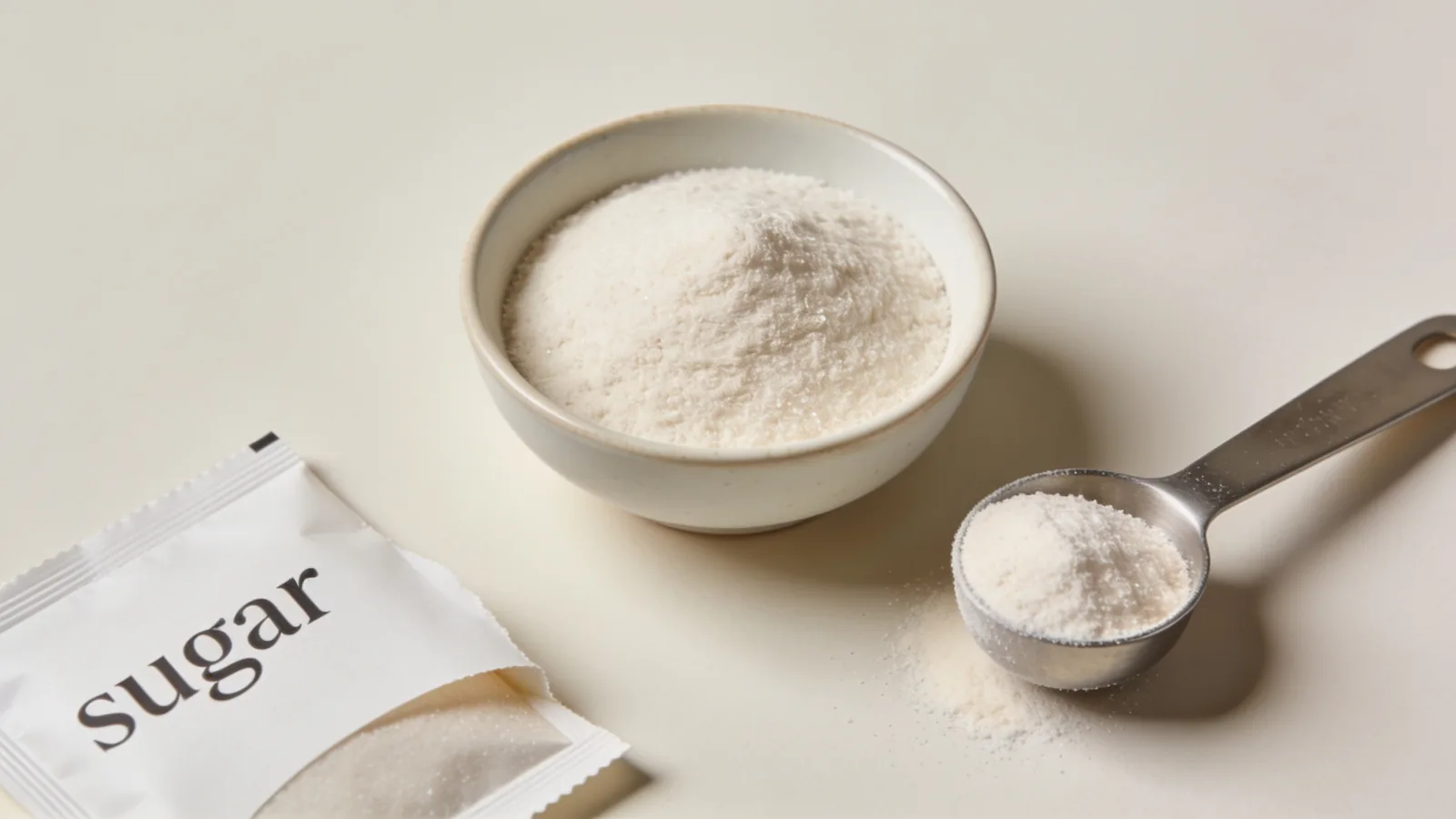
A no added sugar protein powder is one whose ingredient list contains no sucrose, glucose, maltodextrin, coconut sugar, honey, or other caloric sweetening agents. The strictest versions — the ones labeled “unsweetened” — go further and omit stevia, sucralose, and monk fruit as well, leaving only the protein source itself. The cleanest way to verify this is not the front of the bag but the ingredient line: one line, one ingredient.
“No added sugar” means no caloric sweetener has been mixed in, but the powder may still contain stevia, sucralose, or monk fruit and a flavor system. “Truly unsweetened” means none of those either — typically a single-ingredient isolate. Potato protein isolate is one example: it can run 80–95% protein on a dry basis, with a DIAAS reported as high as 100%, and it carries no sweetener of any kind.
We evaluated unsweetened and no-added-sugar protein powders on what is verifiable from the label and the published literature, not on marketing language.
Top Options by Category
Potato Protein Isolate
Single-ingredient, truly unsweetened
One ingredient: potato protein isolate. No sugar, no stevia, no sucralose, no monk fruit, no flavor system. That is the entire reason it qualifies as truly unsweetened rather than merely no-added-sugar. Potato protein isolate can contain 80–95% protein on a dry basis, and its DIAAS has been reported as high as 100% (Food Science & Nutrition, Herreman et al., 2020, PMID:33133540). In a 2020 trial, 25g of potato protein isolate taken twice daily stimulated muscle protein synthesis in young women (Nutrients, 2020, PMID:32349353). It is also a low-FODMAP protein source (Monash University, 2019), which matters if sweeteners and gums are what usually upset your stomach. If you are new to the ingredient, here is what potato protein is and how it is made.
Pros:
- Single ingredient — nothing to react to
- No sweetener of any kind
- DIAAS reported as high as 100%
- Free of dairy, egg, soy, nut, and gluten
- Low-FODMAP protein source
Cons:
- Earthy, plain taste — you flavor it yourself
- Not sweet; expectation matters
Single-Ingredient Protein (Pea Or Whey)
Familiar sources, one-line label
A single-ingredient protein is just one protein source — nothing else — and its unflavored versions carry no added sweetener. If you want a familiar source — pea or whey — with the same one-line label philosophy, it is a straightforward option. As with any pea-based powder, plant proteins can be challenging to purify and may contain some FODMAPs (Monash University FODMAP blog), so the digestion experience varies more than with a low-FODMAP isolate.
Pros:
- Single-ingredient, unflavored options
- No added sweetener
- Choice of plant or dairy source
Cons:
- Pea versions can carry FODMAPs
- Whey versions are not dairy-free
Organic Plant-Based Blend (Stevia-Free)
Flavored, stevia-free, widely available
An organic plant-based blend in a stevia-free version typically provides around 15–20g of protein and 0g of sugar per serving. It is a blend rather than a single ingredient, so the label is longer, but it does answer the specific request of readers who want no added sugar and no stevia in particular. Worth knowing: in the Clean Label Project’s 2025 Protein Study 2.0, certified organic powders averaged three times the lead of non-organic products, so “organic” is not a contaminant guarantee on its own.
Pros:
- 0g added sugar, stevia-free
- Plant-based and widely available
- Comes in a flavored format if plain isolate is a hard sell
Cons:
- Multi-ingredient blend, longer label
- Per-serving protein is typically modest (often ~15–20g)
- Plant blends can carry FODMAPs
Organic Plant-Based Blend (Simpler, Stevia-Free)
Shorter ingredient list for a blend
A simpler organic plant-based blend in a stevia-free version typically provides around 18–21g of plant protein per serving and trims the ingredient list relative to standard organic plant-based blends. For readers prioritizing allergen avoidance over single-ingredient minimalism, a stevia-free plant blend is a reasonable pick, since it is generally free of the common dairy and egg allergens.
Pros:
- Stevia-free, with no added sugar
- Shorter ingredient list than most blends
- Generally free of dairy and egg allergens
Cons:
- Still a multi-ingredient blend
- Plant blends can carry FODMAPs
How the Picks Compare
A side-by-side view of what each category actually delivers. Where a verified figure is not established, the cell is left with an em-dash rather than a guessed number.
| Category | Protein | Added sugar | Sweetener | Ingredients |
|---|---|---|---|---|
| Potato protein isolate | 80–95% (dry basis) | 0g | None | 1 |
| Single-ingredient protein (unflavored) | — | 0g | None | 1 |
| Organic plant-based blend (stevia-free) | ~15–20g/serving | 0g | None (stevia-free) | Blend |
| Organic plant-based blend (simpler, stevia-free) | ~18–21g/serving | — | None (stevia-free) | Blend |
| Whey protein isolate (reference) | 90–95% | — | Varies | Varies |
What to Look For on Your Own
The phrase “no added sugar” is precise and worth defending. It means no caloric sweetener — sucrose, glucose syrup, maltodextrin, coconut sugar, honey, agave — has been mixed into the powder. It does not, by itself, mean the powder is unsweetened. Many no-added-sugar products still use stevia, sucralose, or monk fruit to make the protein palatable. If avoiding all sweeteners is your goal, read the ingredient line for those names specifically, because the “0g sugar” claim on the front panel says nothing about them.
The cleanest test is length. A single-ingredient isolate cannot hide a sweetener, because the sweetener would have to appear as a second ingredient. Once a label runs to a blend, you are reading a list, and that is where stevia, “no added sugar” flavor systems, and gums tend to live. There is no shame in a blend — but the label work is on you, and you should never have to squint to read your ingredient label.
Two contaminant findings are relevant to anyone shopping the sweetened end of this category. The Clean Label Project’s 2025 Protein Study 2.0 tested 160 products from 70 brands and found that 47% exceeded at least one federal or state safety standard, with chocolate-flavored powders containing 110 times more cadmium than vanilla varieties. Separately, Consumer Reports tested 23 protein products in October 2025 and found that more than two-thirds contained more lead per serving than its safe daily limit of 0.5 micrograms, with plant-based products averaging nine times the lead of dairy-based powders. Flavor and sweetness usually arrive together; the more processing a powder carries, the more there is to test. An unsweetened, single-ingredient powder is the simplest thing to verify.
Finally, weigh digestion. If sweeteners and the sugar alcohols that accompany them are what give you trouble, removing them solves the problem at the source. Potato protein is a low-FODMAP protein source (Monash University, 2019), while pea and soy blends “can be particularly challenging to purify, and often contain some FODMAPs” per Monash University’s FODMAP guidance. For a wider view of sweetener-related complaints, see our notes on common protein problems and the dedicated breakdown of protein powder without sucralose or stevia.