Protein Powder and PKU: what’s safe comes down to a single molecule — phenylalanine. People with phenylketonuria (PKU) cannot break it down, and every complete protein powder on the shelf, potato protein included, contains it. That makes most of the protein industry irrelevant to a PKU diet, and it makes the honest answer narrower than the marketing on any tub suggests.
Standard protein powders — whey, soy, pea, and potato protein among them — are not appropriate for people with phenylketonuria (PKU), because every complete protein contains phenylalanine, the amino acid people with PKU cannot metabolize. The protein source designed for PKU is a phenylalanine-free medical formula, an amino acid mixture prescribed and dosed by a metabolic dietitian. No retail protein powder replaces it.
If you are here, you already read labels more carefully than almost anyone. You count in milligrams. You have probably had a well-meaning person hand you a “high-protein” snack and had to explain, again, that more complete protein is the opposite of what your diet allows.
- You scan every package for “PHENYLKETONURICS: CONTAINS PHENYLALANINE” out of reflex.
- Your or your child’s daily phenylalanine tolerance is measured in milligrams, not grams.
- You have been offered a protein shake and had to explain why “high-protein” is a warning label for you.
- You want a straight answer about whether any retail protein powder belongs in a PKU diet.
“For almost everyone else, a complete protein is the goal. For your family, it is the thing you spend every meal counting around.”
The entire protein-powder market is built around one assumption: more complete protein is better. Higher quality scores, faster amino acid release, more leucine per scoop. For a PKU diet, that assumption runs backward. The amino acid that makes a protein “complete” is also the one you have to limit, and the products improved for muscle synthesis are precisely the ones to avoid.
What Makes Protein Harder With PKU
The challenge is not finding enough protein. It is getting the amino acids the body needs while strictly capping one of them. That constraint reshapes every product decision, and it is why the usual buying advice does not apply.
A Complete Protein Is the Wrong Tool
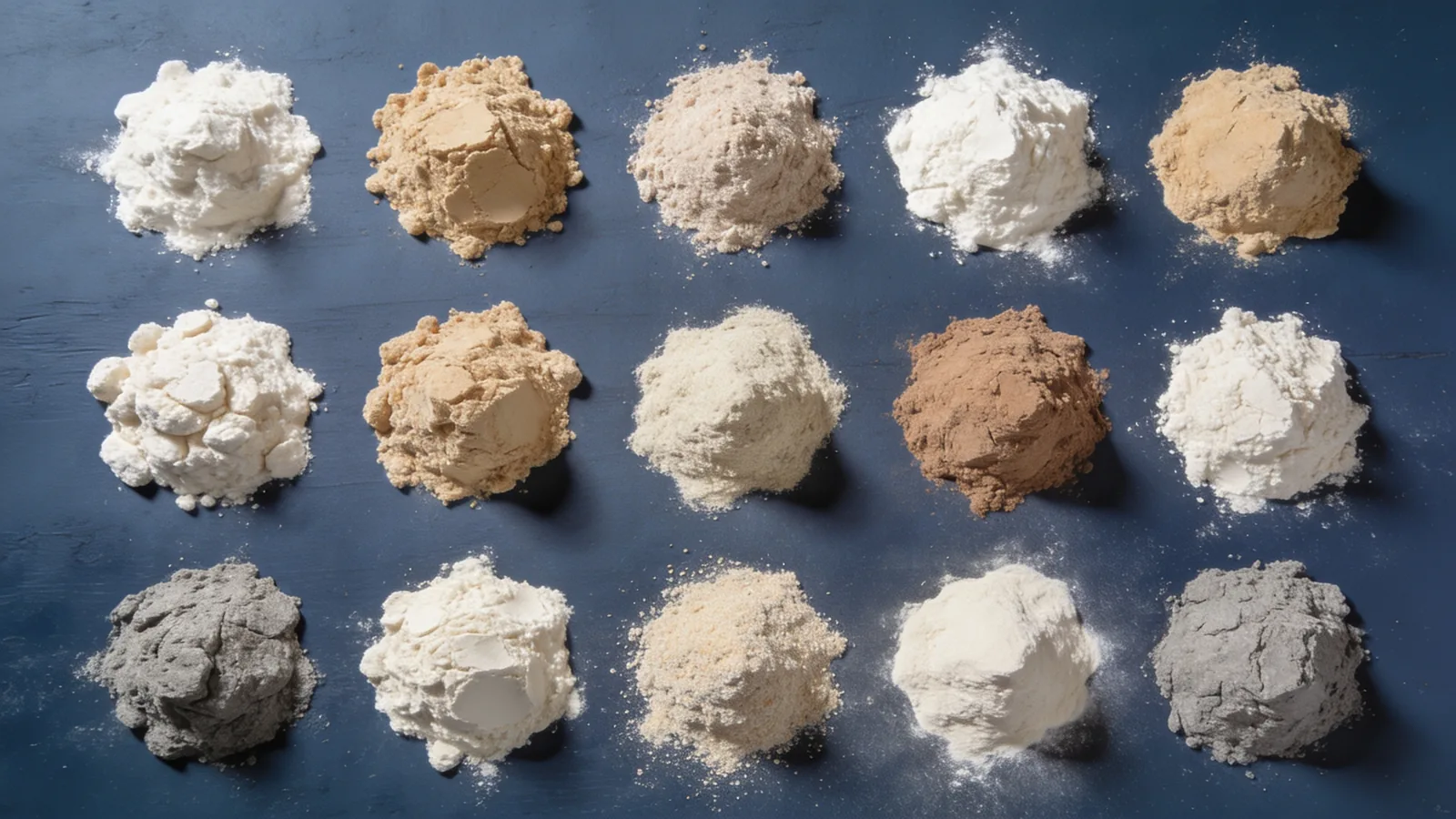
A complete protein, by definition, contains all nine essential amino acids — and phenylalanine is one of them. Whey provides all nine (INTEGRIS Health, 2023), and potato protein isolate is also classified as a high-quality, complete plant protein in the muscle-synthesis literature (Nutrients, 2020, PMID 32349353). That completeness is the selling point for everyone else and the disqualifier for a PKU diet. There is no version of a complete protein powder that omits phenylalanine while keeping the rest.
Phenylalanine Is Essential — But Rationed
Phenylalanine is an essential amino acid, meaning the body cannot make it and has to get some from food. People with PKU are not eliminating it entirely; they are allowing a small, measured amount and avoiding the rest. That is the difference between a PKU diet and a simple allergen avoidance: an allergen you cut out completely, while phenylalanine is rationed to a tolerance set by your metabolic team. A scoop of complete protein can exceed an entire day’s allowance.
Medical Formula Carries the Protein Load
The protein in a PKU diet comes mostly from a phenylalanine-free amino acid formula — a mixture that supplies the other amino acids without the one that cannot be processed. It is prescribed, dosed, and adjusted by a metabolic dietitian based on blood phenylalanine levels and growth. This is the actual “protein powder” of PKU, and it is a medical product, not a retail supplement. Nothing on a general-market shelf substitutes for it.
Hidden Phenylalanine in “High-Protein” Products
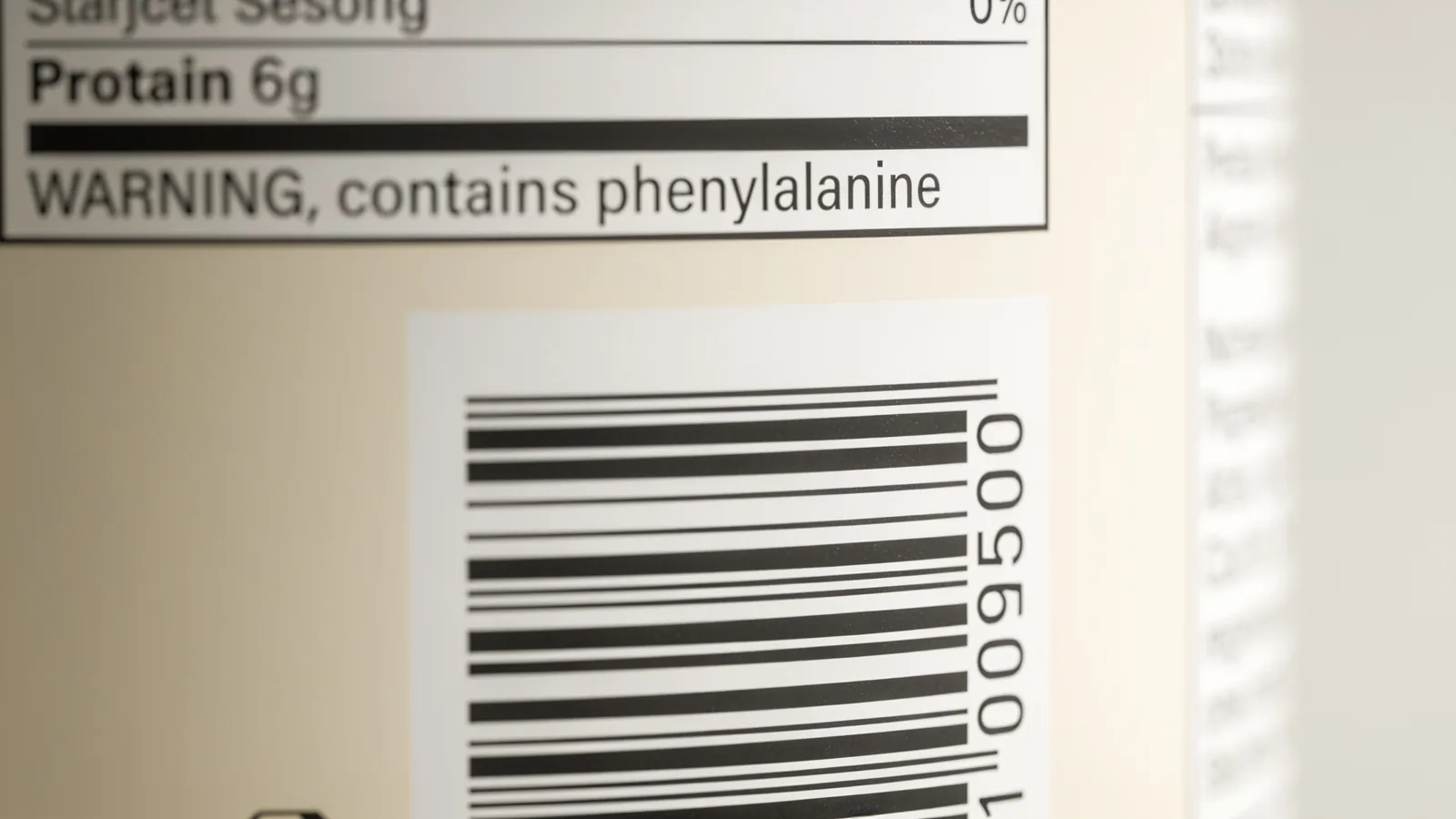
Phenylalanine hides in places that have nothing to do with the protein aisle. Aspartame, the sweetener in many diet sodas and sugar-free products, is built partly from phenylalanine — which is exactly why those products carry the “PHENYLKETONURICS: CONTAINS PHENYLALANINE” warning. Protein-fortified bars, fortified plant milks, and “added protein” snacks compound the problem quietly. The marketing word that should make you pause is not “sugar” but “protein.”
What Actually Works for PKU Families
What works is the standard of care, not a product swap. The phenylalanine-free medical formula provides the bulk of protein needs, low-protein specialty foods fill out the diet, and every gram of natural protein is counted against a phenylalanine tolerance set by blood monitoring. The metabolic dietitian is the decision-maker here, and any change — including adding a protein powder of any kind — goes through that team first.
It helps to reframe what “safe” means. For most shoppers, a fewer-ingredients protein powder with third-party heavy-metal testing is the safe choice. Independent testing matters in general: the Clean Label Project’s 2025 Protein Study 2.0 found that 47% of tested products exceeded at least one federal or state safety standard. But for a PKU diet, contamination is the secondary concern. The primary one is phenylalanine content, and on that measure a complete protein powder fails before testing even begins.
A single-ingredient potato protein isolate, like any complete protein, contains phenylalanine. Potato protein is considered Generally Recognized As Safe by the FDA and is widely used as an allergy-friendly protein for people who cannot have dairy, egg, soy, or nuts — but GRAS status and allergen safety say nothing about phenylalanine load. If you want the full picture of what the ingredient is and how it is made, read our explainer on what potato protein is. For a PKU diet, it sits in the same category as whey or pea: a complete protein that has to be counted, not a formula that replaces phenylalanine.
That distinction is the whole point of this page. A potato protein isolate is a reasonable single-ingredient option for the household members who can metabolize phenylalanine normally — and an honest one, because there is nothing hidden on the label to react to. For the person with PKU, the answer is the clinic’s formula, full stop. If you are managing several dietary restrictions at once, our broader allergen-free protein guide explains why single-ingredient products are easier to evaluate, and our overview of which foods carry all nine essential amino acids shows exactly why phenylalanine is unavoidable in any complete source.