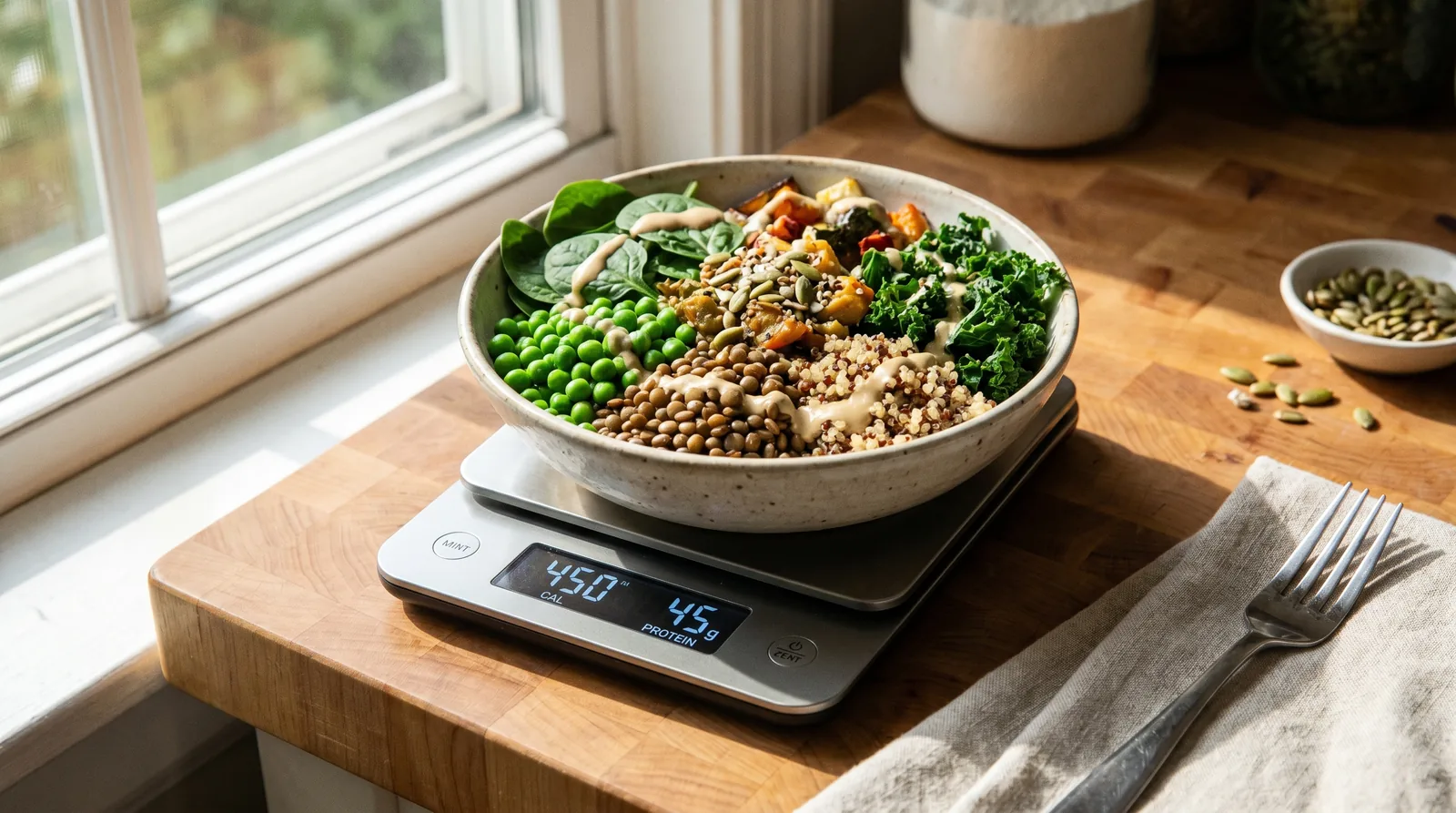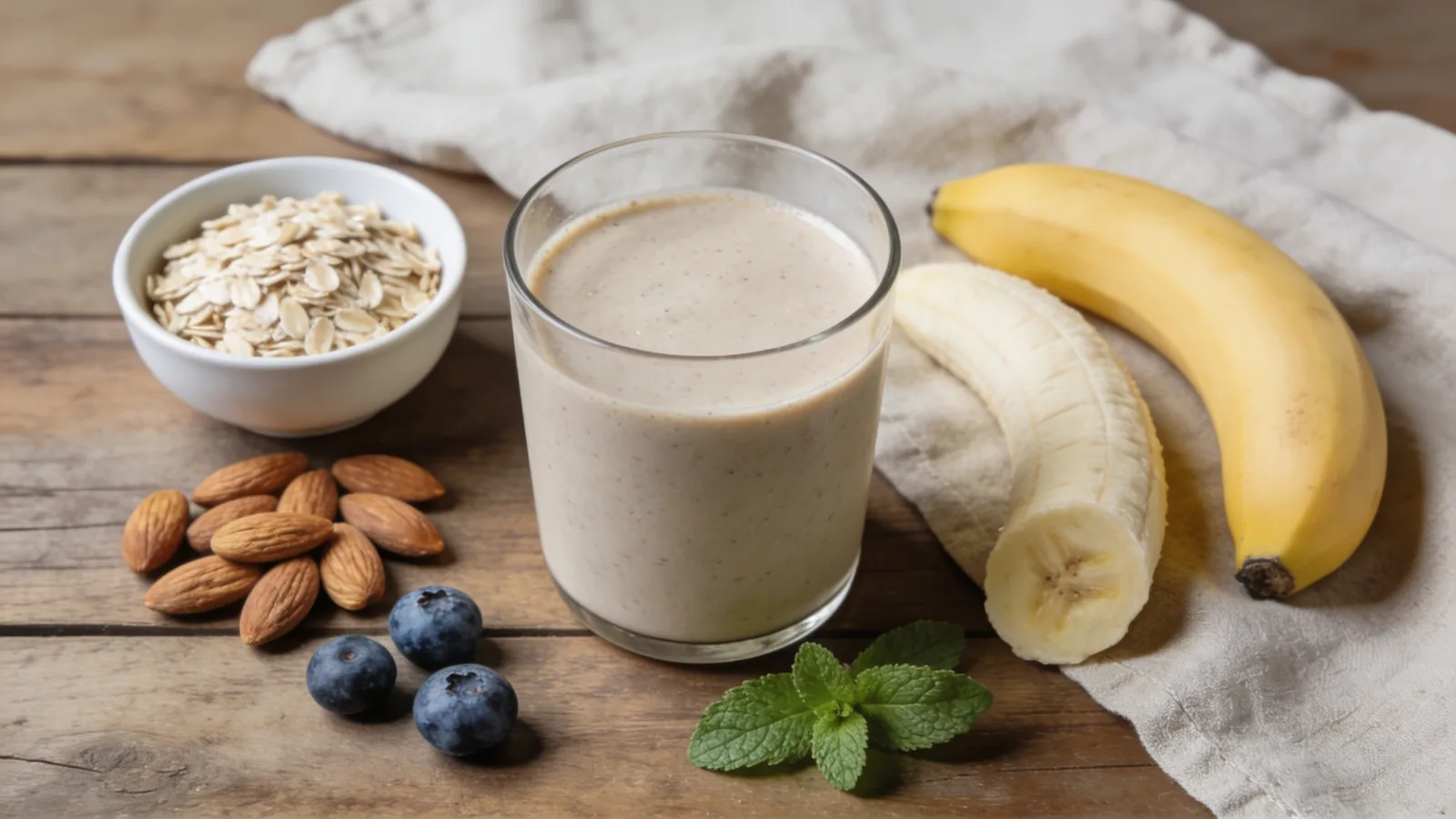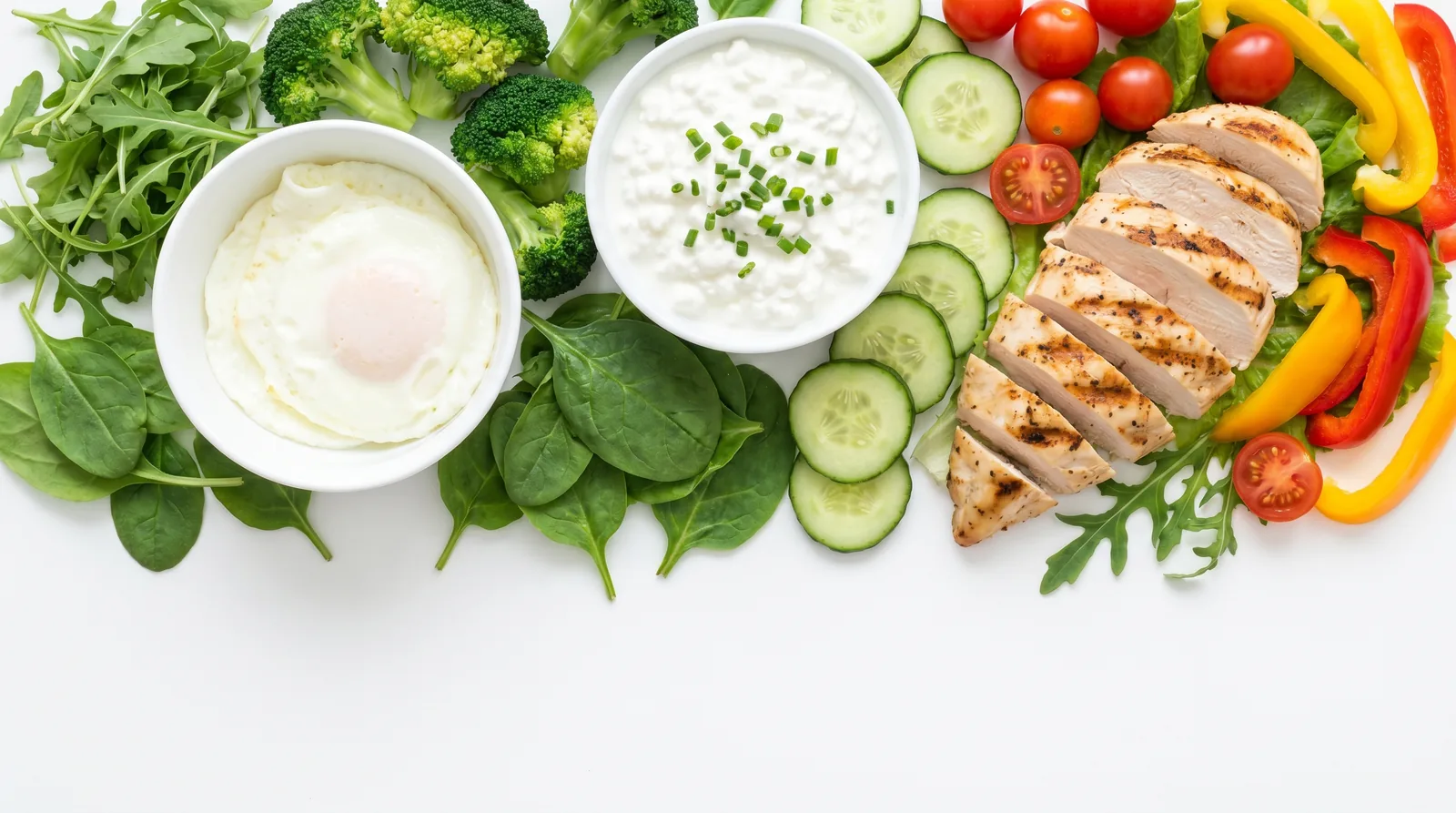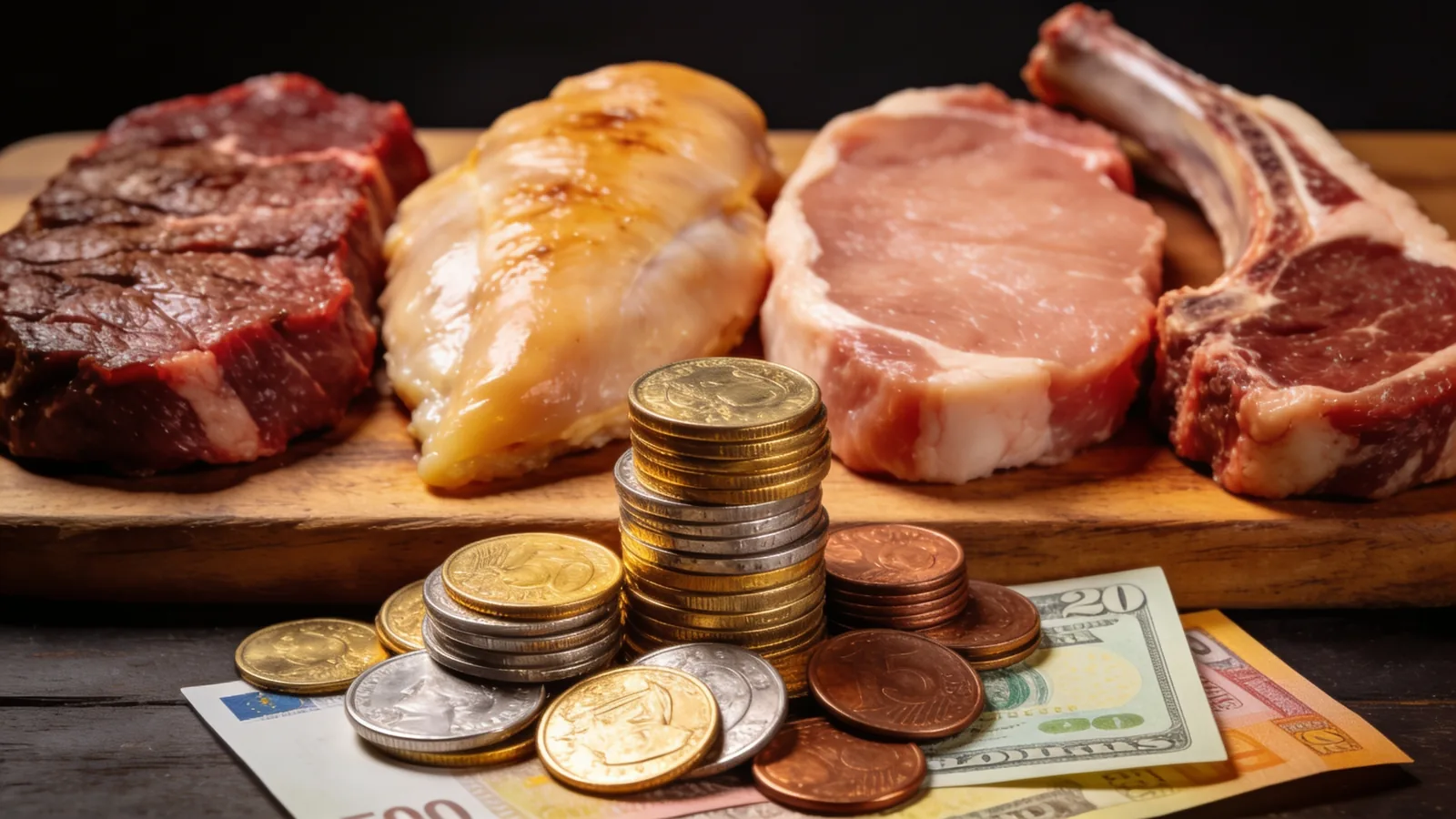
Building cheap low calorie high protein meals comes down to one number: cost per gram of protein. A 113g serving of 1% cottage cheese gives you about 14g of protein for 81 calories and well under a dollar, and four egg whites deliver 13g of protein with almost no saturated fat. Once you start shopping by protein-per-dollar instead of by package, hitting 100g a day on a tight budget stops being a stretch.
The cheapest low-calorie, high-protein meals are built from eggs and egg whites, cottage cheese, plain Greek yogurt, canned tuna, dried lentils, and frozen chicken breast — each delivering 12–25g of protein per serving for well under a dollar. Plan meals around 25–30g of protein each, buy staples in bulk, and use an unsweetened protein powder to close the gap on days you fall short. High-protein meals also increase satiety more than standard meals, so you eat less without trying.
By the end of this guide you can assemble three 25–30g protein meals a day for a fraction of what restaurant or pre-made “high-protein” products cost. What you need: A kitchen scale · A short shopping list · Freezer space · A calculator · Time: 30 min to plan, 15 min per meal
How to Build Cheap High-Protein Meals Step by Step
Set a daily protein target and divide it by meals
Decide your daily number first, then split it across meals. A practical target for preserving muscle is 25–30g of high-quality protein per meal, the amount a proposed sarcopenia-prevention plan recommends (Journal of Clinical Medicine Research, PMID:26566405). Three meals at that level lands you between 75g and 90g a day before any snacks. Write the per-meal number down — it turns vague “eat more protein” advice into a concrete grocery problem you can actually solve.
Tip: If you are over 40, aim toward the top of that range. Aging is associated with a blunted muscle protein synthesis response to protein intake — anabolic resistance (PMID:23558692) — so the per-meal dose matters more, not less. Our guide to protein after 40 covers why distribution across the day counts.
Rank foods by cost per gram of protein, not price per package
The cheapest protein per gram almost always comes from a handful of staples: eggs and egg-white cartons, dried lentils and split peas, canned tuna and sardines, plain low-fat Greek yogurt, 1% cottage cheese, and frozen chicken breast bought by the bag. Registered dietitians cite chicken breast as one of the best high-protein, low-calorie foods. Four egg whites from a carton give 13g of protein with no saturated fat, and 113g of 1% cottage cheese provides 14g of protein for 81 calories (USDA FoodData Central). A 12-ounce bag of dried lentils costs a couple of dollars and yields dozens of grams of protein.
Pitfall: Pre-made “high-protein” bars, drinks, and snack packs are where budgets quietly disappear. You are paying for marketing and convenience, not protein density. Compare the cost per gram against a carton of eggs and the gap is usually three- to fivefold.
Buy the dense staples in bulk and freeze what you can
Unit price falls hard when you buy the large package. Frozen chicken breast in a multi-pound bag, dozen-count or larger egg flats, and dried legumes by the pound all cost dramatically less per serving than their single-meal equivalents. Freezer space is the cheapest investment you can make here: portion chicken into meal-sized bags, cook a pot of lentils and freeze it flat, and keep canned fish on the shelf as a no-prep backup. Buying in volume also means you are never one empty fridge away from a low-protein day.
Tip: Plain frozen and canned versions hit the same macros as fresh at a lower price and with no spoilage risk. Frozen vegetables alongside them round out the plate without adding much cost or many calories.
Combine plant proteins so the meal is complete
Plant staples are the cheapest protein on the shelf, but most single plant sources are limited in one or more essential amino acids — pea protein, for instance, runs low in methionine plus cysteine. The fix is variety, not expensive supplements. The Academy of Nutrition and Dietetics states that plant protein can meet requirements when a variety of plant foods is consumed and energy needs are met, and that an assortment eaten over the course of a day provides all essential amino acids (PMID:19562864). Pairing lentils with rice, or beans with whole grains across the day, covers the gaps for pennies. Leaning plant-heavy has a side benefit: people who ate the highest ratio of plant to animal protein had a 19% lower risk of cardiovascular disease (American Journal of Clinical Nutrition, PMID:39631999). For more on stretching plant sources, see the cheapest vegan protein sources that still hit your macros.
Use an unsweetened protein powder to close the gap
Whole foods should do most of the work, but a single-ingredient protein powder is the cheapest way to add 20–25g per scoop on days you fall short — no cooking, no spoilage, and it disappears into oatmeal, yogurt, or water. Potato protein isolate is a low-FODMAP option (Monash University, 2019), which matters if dairy or legume powders upset your stomach. A 2020 study found that 25g of potato protein isolate taken twice daily effectively stimulated muscle protein synthesis in young women (Nutrients, PMID:32349353). When you shop powders, third-party testing is a key evaluation factor in evidence-based buying guides.
Pitfall: Flavored, sweetened powders cost more and add ingredients you do not need. In the Clean Label Project’s 2025 Protein Study 2.0, chocolate-flavored powders contained 110 times more cadmium than vanilla varieties, with 65% of chocolate powders exceeding California Prop 65 levels. Fewer ingredients is both cheaper and safer.
Let protein’s satiety do the calorie-cutting for you
Eating more protein helps you eat fewer total calories without willpower. High-protein meals increase satiety and thermogenesis more than standard-protein meals (Journal of the American College of Nutrition, PMID:15466943), so the same dollar buys both more protein and more fullness per calorie. That is the entire premise of building meals this way: you are not just chasing grams, you are using a cheap nutrient to make a calorie deficit feel less like deprivation. If weight loss is the goal, our pillar guide on protein for weight loss walks through how the deficit and the protein target fit together.
Checklist
- Daily protein target set and divided into 25–30g per meal
- Shopping list ranked by cost per gram of protein
- Staples bought in bulk: eggs, frozen chicken, dried legumes, canned fish
- Plant sources paired across the day for complete amino acids
- One unsweetened, third-party-tested protein powder on hand for gaps
- Frozen and canned backups stocked so no day falls short