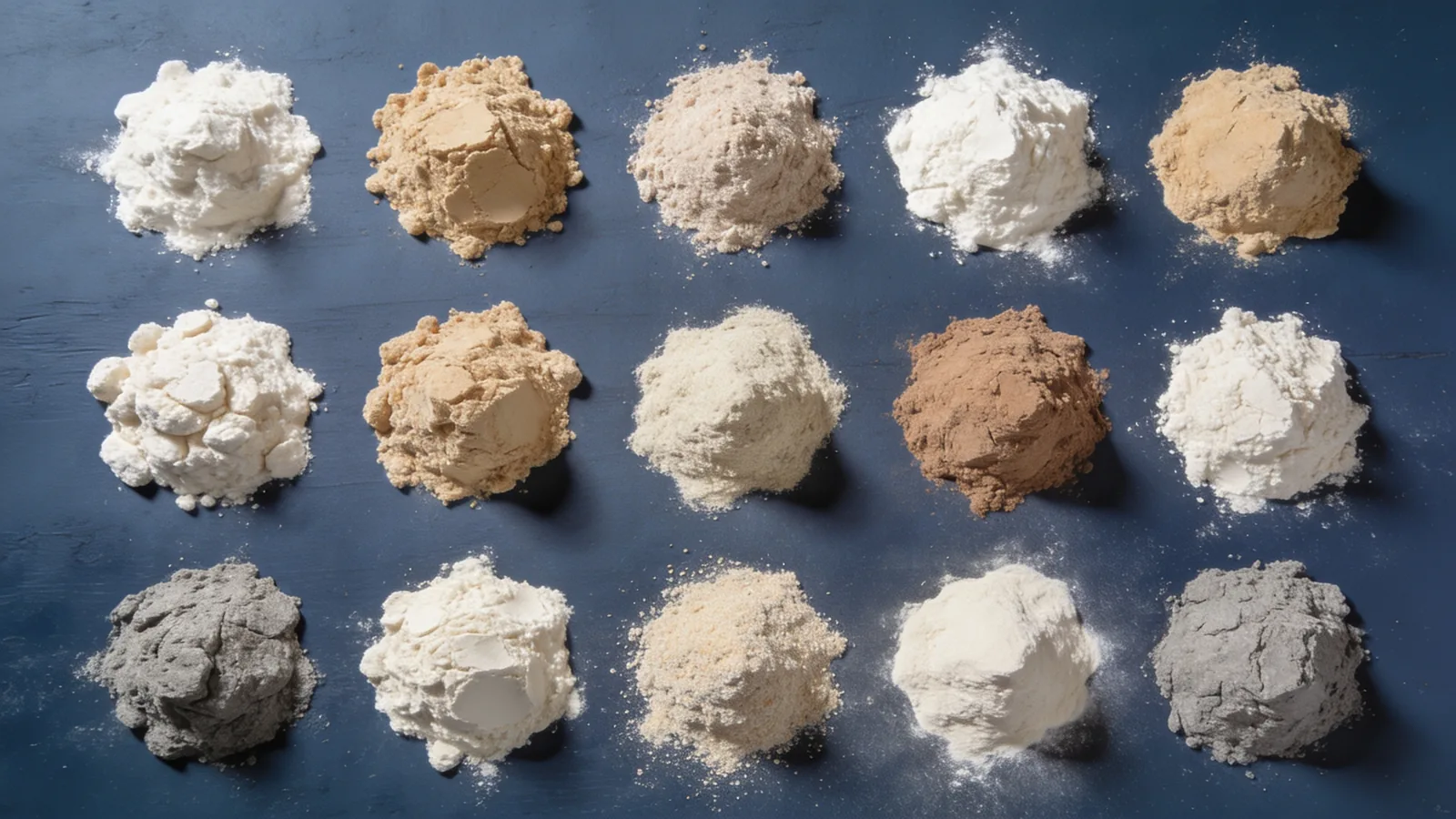
If you want to know how much potato protein per day supports muscle growth, the most useful number comes from a single controlled trial: 25 grams of potato protein isolate taken twice daily stimulated muscle protein synthesis at rest and after resistance exercise. That study, published in Nutrients in 2020 by a McMaster University team, is the reason potato protein has a defensible dosing target at all. Most plant proteins do not have a human muscle-synthesis trial behind them.
The short version: 25 grams per dose is the evidence-backed unit, and your daily total — from all foods, not just powder — should land in the 1.3–1.8 grams of protein per kilogram of bodyweight range if you are training to add or hold muscle. The rest of this guide explains where those numbers come from and how to assemble them without overthinking it.
What the Research Says: 25 Grams, Twice Daily
In the 2020 McMaster trial, participants consumed a pudding containing 25 grams of potato protein isolate twice daily. The result: women who took the additional potato protein increased their rate of muscle protein synthesis, while the placebo group did not. The researchers concluded that potato protein isolate is a high-quality plant protein source that effectively stimulates muscle protein synthesis.
Two design details matter for dosing. First, the effective single serving was 25 grams — not 40, not 10. Second, it was taken twice across the day rather than as one large bolus. That mirrors what is generally understood about muscle protein synthesis: the body responds to repeated, adequately sized protein doses across the day better than to a single oversized one.
So the cleanest interpretation of the data is a per-dose target of about 25 grams of potato protein isolate, repeated. Whether you need both doses depends entirely on how much protein the rest of your diet already supplies. If your meals are protein-rich, one 25-gram dose may be all the supplement you need. For background on the ingredient itself — how it is made and why it differs from potato starch — see what potato protein is.
Potato Protein Dosage by Bodyweight
Your per-dose figure (25 grams) is fixed by the research. Your daily total scales with bodyweight and training. Published ranges for active people sit between roughly 1.3 and 1.8 grams of protein per kilogram per day: vegetarian and vegan athletes are advised to consume 1.3–1.7 g/kg, and endurance athletes 1.4–1.8 g/kg, with higher intake on recovery days to support muscle repair and adaptation.
Here is what that looks like in practice as a total daily protein target across all food and supplements:
| Bodyweight | 1.4 g/kg (lower) | 1.8 g/kg (upper) | Potato protein doses to consider |
|---|---|---|---|
| 55 kg (121 lb) | ~77 g | ~99 g | 1–2 doses of 25 g |
| 68 kg (150 lb) | ~95 g | ~122 g | 1–2 doses of 25 g |
| 82 kg (181 lb) | ~115 g | ~148 g | 2 doses of 25 g |
| 95 kg (209 lb) | ~133 g | ~171 g | 2 doses of 25 g |
Targets derived from published intake ranges for vegetarian/vegan and endurance athletes (1.3–1.8 g/kg/day). Potato protein dose based on the 25 g serving used in the 2020 Nutrients trial (PMID: 32349353).
The right-hand column is deliberately conservative. Potato protein isolate is a tool for closing the gap between what you eat and what you need — not a replacement for whole-food protein. If you already eat 100 grams of protein from food, a heavier person near the top of the range might add one or two 25-gram doses; a lighter person eating well may need none. For a deeper treatment of total intake independent of source, see how much protein per day for muscle gain.
How to Fit Potato Protein Into Your Daily Total
Think in terms of per-meal protein, not just a daily sum. The body builds muscle in response to discrete feeding events, and each one ideally delivers enough protein — roughly 25–30 grams for most adults — to trigger a synthesis response. Potato protein’s job is to top up any meal that falls short.
A worked example for a 68 kg person targeting ~110 grams per day:
- Breakfast with eggs or yogurt: ~25 g
- Lunch with a protein source: ~30 g
- One 25 g potato protein dose (shake or stirred into food): 25 g
- Dinner: ~30 g
That reaches the target without forcing a second supplement dose. If breakfast is light — oatmeal, fruit, toast — that is exactly where a 25-gram potato dose earns its place, because it disappears into food without changing the meal. Potato protein isolate contains all nine essential amino acids, so it functions as a standalone protein contribution, not just filler.
Potato protein is also a low-FODMAP option, which matters if dairy-based powders cause digestive trouble. For allergy-aware households — no dairy, egg, soy, or nuts — a single-ingredient isolate is one of the fewest-input protein sources available.
Timing: When to Take Potato Protein
Distribution beats precision timing. The 2020 trial split the dose across the day rather than concentrating it, and the broader evidence favors spreading protein across three or four feedings over chasing a narrow post-workout “window.” Take one dose at whichever meal is leanest on protein, and if you train, a dose within a few hours of your session fits comfortably.
What the research does not support is one giant serving. There is no evidence that 50 grams in a single shake outperforms two 25-gram doses for muscle synthesis, and the trial that established potato protein’s effect used the split approach. If you can only fit one dose, that is fine — just place it where your diet has the biggest protein gap.
Leucine is the amino acid most associated with triggering synthesis, and per-dose adequacy is partly about hitting a leucine threshold. Potato protein contributes leucine as part of its complete amino acid profile; for the mechanics of that threshold, see how much leucine per day to build muscle.
How Potato Protein Compares to Other Sources
Protein quality determines how efficiently a given dose supports muscle. Two scores are used: PDCAAS (older, capped at 1.00) and DIAAS (newer, can exceed 100). Potato protein isolate scores well on both — high for a plant protein, and within reach of animal sources.
| Protein source | PDCAAS | DIAAS | Essential amino acids (% of protein) |
|---|---|---|---|
| Potato protein isolate | 0.92–1.00 | up to 100% | 37% |
| Whey protein isolate | — | 94–100% | 43% |
| Soy protein isolate | — | ≥100 | — |
| Egg | 1.00 | — | — |
| Wheat gluten | 0.25 | — | — |
PDCAAS values from Schaafsma 2000 (PMID: 10867064); DIAAS for potato from Herreman et al. 2020 (PMID: 33133540); essential amino acid percentages from Amino Acids 2018 (PMID: 30167963). Dashes indicate values not established in the cited sources.
Two honest caveats. Whey carries more essential amino acids by weight — 43% versus potato’s 37% — and digests faster, which is why whey has long been the reference for rapid muscle protein accretion. Potato protein closes much of that gap through high digestibility: its DIAAS of up to 100% sits alongside whey isolate’s 94–100%. Plant proteins as a category generally score lower than animal proteins, so potato’s standing near the top of the plant range is the relevant point, not a claim that it beats whey on every metric. For a direct head-to-head, see potato protein vs whey, and for the scoring systems themselves, DIAAS vs PDCAAS.
Is More Better? Upper Limits and Kidney Questions
There is no established benefit to mega-dosing potato protein, and no toxic threshold in healthy people. The muscle-synthesis machinery saturates at a per-meal dose around 25–30 grams of quality protein; protein beyond that is used for energy or other functions, not extra muscle from that single feeding. The practical ceiling is your total daily target, distributed.
On kidneys: a 2018 systematic review and meta-analysis of 28 trials including 1,358 participants found that the change in glomerular filtration rate did not differ between higher-protein and lower- or normal-protein diets in healthy adults. High protein in that analysis was defined as at least 1.5 g/kg, at least 20% of energy, or at least 100 g per day. The 50-gram daily figure from the potato trial is well inside that. People with diagnosed chronic kidney disease are a separate case — clinical protein-restriction protocols exist for them — and they should not self-prescribe supplements without medical guidance. For most healthy adults building muscle, the kidney concern is not supported by the evidence.
Who Needs More — and Who Needs Less
Adults over 40 generally benefit from intake at the upper end of the range, because the muscle-synthesis response to a given protein dose blunts with age and requires more stimulus. If you have recently realized you have been under-eating protein for years, the fix is rarely one supplement dose — it is rebuilding each meal to clear 25–30 grams. See protein after 40 for the age-specific case.
Endurance athletes need more on recovery days than on training days, per recent sports-medicine guidance. Lighter, sedentary adults need less than the muscle-building ranges shown here and should anchor closer to 1.3 g/kg. And if you are eating in a calorie deficit while trying to hold muscle, protein needs rise, not fall — see protein for weight loss.
For the overarching question of whether a plant protein can do this job at all, the trial evidence is reassuring: women given supplemental potato protein increased muscle protein synthesis while controls did not. One ingredient, 25 grams at a time, distributed across the day. That is the whole protocol.