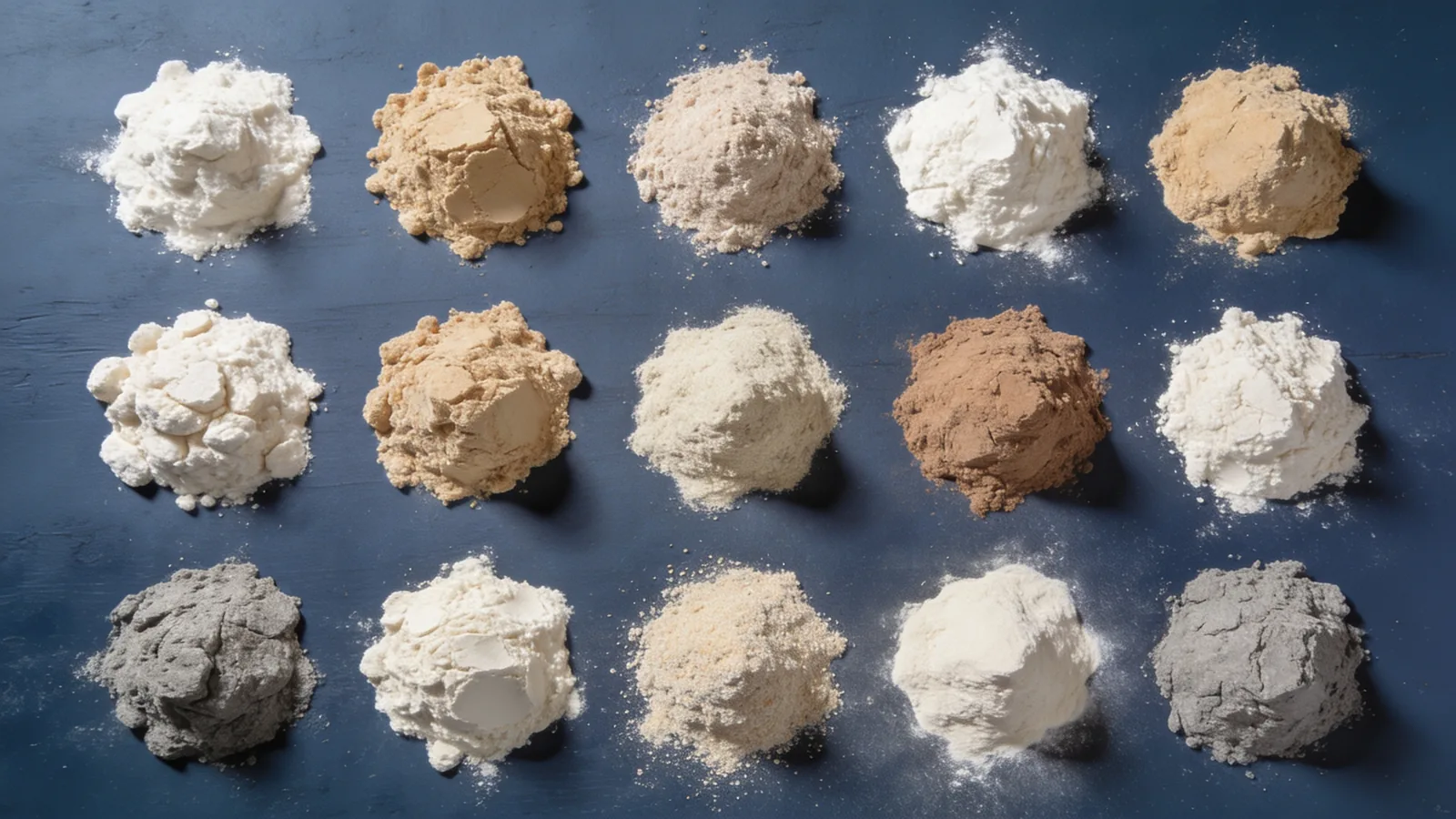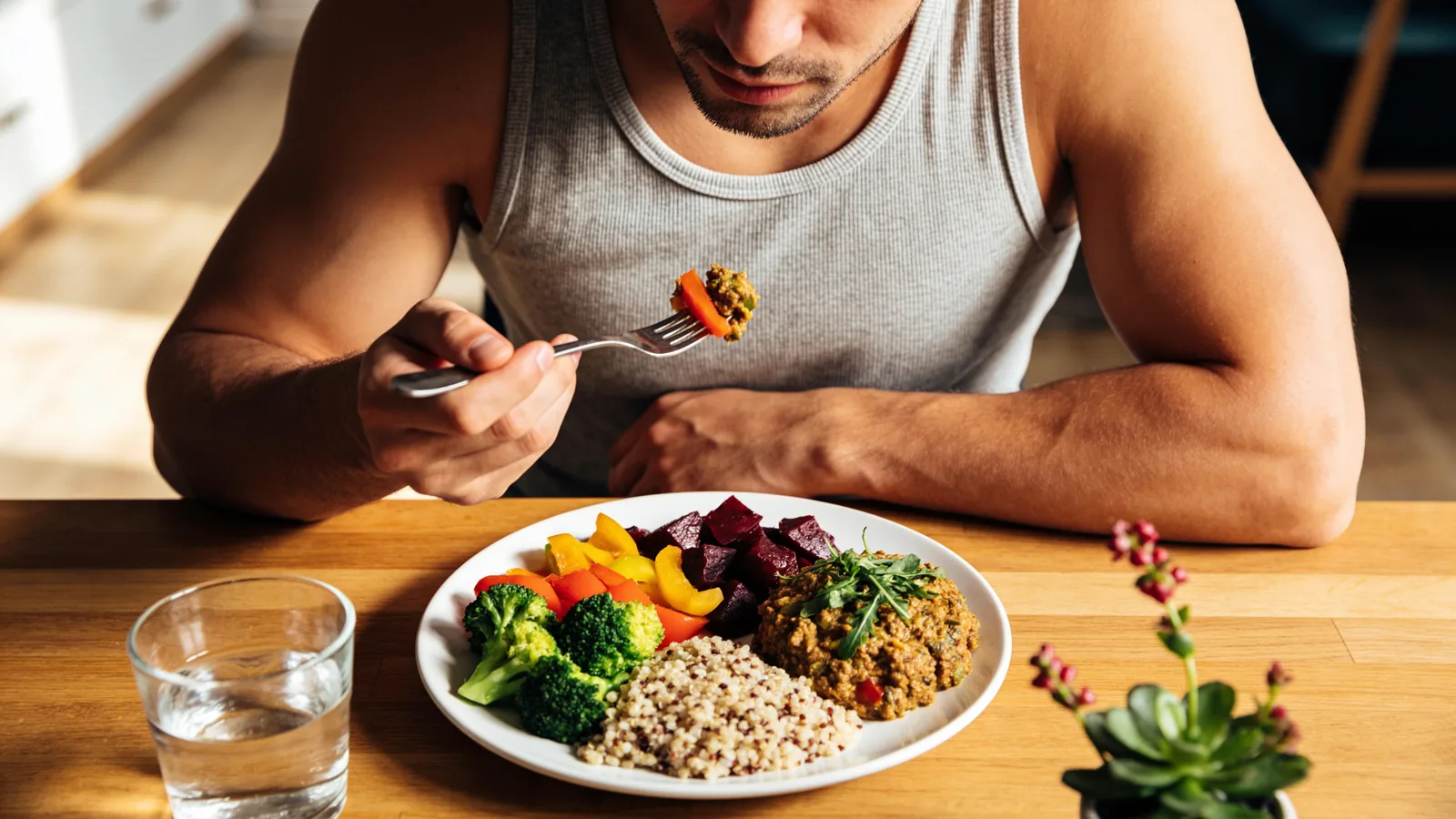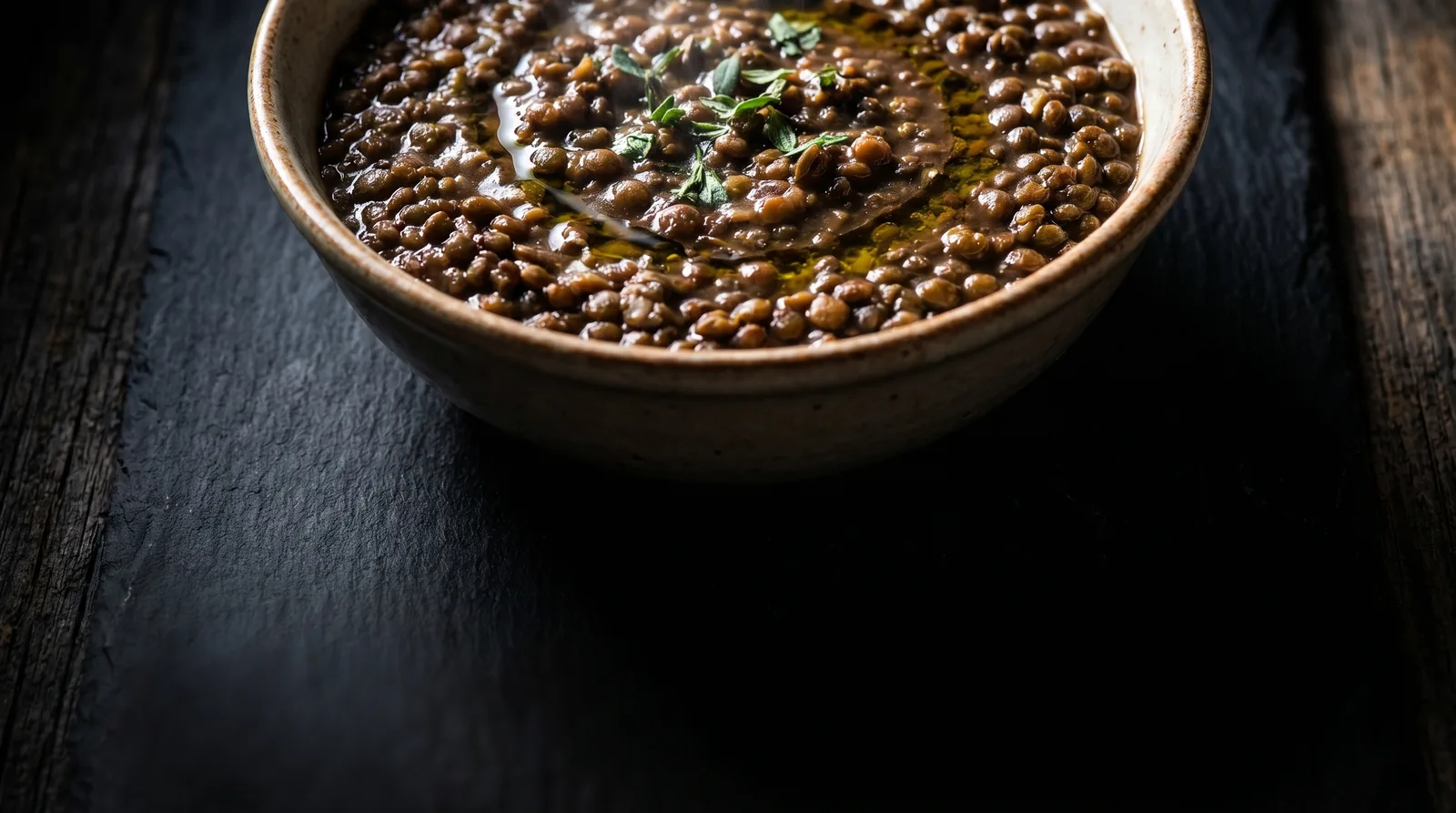
The highest protein vegan protein powder is, in almost every case, a single-ingredient plant isolate — potato, soy, pea, or mung bean — concentrated to 80–95% protein by dry weight. Whole foods top out far lower: cooked lentils, tofu, and seitan are dense by plate standards but dilute next to an isolate. This guide ranks both, and it does not pretend that one product type wins every category.
The highest-protein vegan protein powders are single-ingredient isolates: potato, soy, pea, and mung bean isolates that run 80–95% protein by dry weight. Mung bean and potato isolates are typically the densest by protein-per-gram. For protein quality rather than raw quantity, potato protein isolate ranks among the highest of any plant source, with a DIAAS reported as high as 100% on the percentage scale — equivalent to a score of 1.00, the same ceiling reached by milk and egg.
We evaluated these against the things a label-reader actually checks: amino-acid completeness, digestibility, the number of ingredients you have to vet, and whether the powder has been tested for heavy metals.
Top Options by Category
Potato Protein Isolate
Single-ingredient, low-FODMAP, top-allergen-free
Potato protein isolate runs 80–95% protein on a dry basis, and its PDCAAS is among the highest of any vegetable protein source — its DIAAS has been reported as high as 100% on the percentage scale (Food Science & Nutrition, Herreman et al., 2020, PMID:33133540), the upper end equivalent to a score of 1.00. It is not a theoretical “high-quality” claim, either: 25g of potato protein isolate taken twice daily stimulated muscle protein synthesis in young women at rest and after resistance exercise (Nutrients, 2020, PMID:32349353). It is also a low-FODMAP protein source (Monash University, 2019) and free of dairy, egg, soy, nuts, and gluten — which is the entire reason allergy families find it. For the full background, see what potato protein actually is.
Pros:
- Single ingredient — nothing to squint at
- PDCAAS among the highest of plant proteins; DIAAS reported as high as 100%
- Low-FODMAP; free of the top allergens
- Published muscle-protein-synthesis evidence in humans
Cons:
- Lower leucine than whey — the universal plant trade-off
- Earthy taste; it disappears into food better than into water
- Narrower retail availability than long-established plant powders
Single-Ingredient Pea Protein
Single-ingredient, widely available
A single-ingredient pea protein is just yellow pea protein and nothing else, and it is the most accessible of the single-ingredient plant isolates. Pea is lysine-rich — lysine averages 7.9 g/100g of protein across new genotypes, with leucine around 7.1 g/100g (Molecules, 2024, PMID 39519674) — which makes it a useful complement to grains. Its limiting amino acids are methionine plus cysteine, averaging only 2.6 g/100g (chemical score about 46%), so it is strong but not complete on its own. In an 84-day comparator-controlled trial of 50 sedentary adults doing weekly resistance training, pea protein (~20–22.5 g/day) and whey produced statistically comparable muscle-mass gains (2.3% vs 2.4%, P = 0.92) (Nutrients, 2024; PMC11243455).
Pros:
- Single ingredient, broadly stocked
- High in lysine; resistance-training data is encouraging
- Generally lower cost per gram
Cons:
- Limited in methionine + cysteine
- Can carry FODMAPs (GOS, fructan) that trigger IBS
- Distinctly earthy flavor
Mung Bean Protein Isolate
Single legume isolate, newer to market
Mung bean isolate is among the densest plant powders by protein-per-gram. Mung bean is a legume isolate in the same family as pea, so the amino-acid pattern is broadly similar. If raw protein density is the single metric you care about, it is a strong contender — but it is newer and less widely distributed than pea, and there is no independently measured ranking that singles it out above other isolates.
Pros:
- Single legume source
- Among the highest plant powders by protein-per-gram
Cons:
- Newer; narrower distribution
- No third-party verified density ranking
- Legume flavor profile
Organic Plant-Based Blend
Multi-source blend, allergen-friendly
A multi-source blend is a blend rather than a single ingredient, which is the point: combining pea, brown rice, and other sources fills in each one’s limiting amino acids. The Academy of Nutrition and Dietetics notes that a variety of plant foods eaten across a day provides all essential amino acids in healthy adults (Journal of the American Dietetic Association, 2009, PMID:19562864). Blends typically deliver somewhere around 15–24 g of protein per serving, and many are formulated to avoid the most common food allergens, which is why they appeal to households juggling multiple sensitivities.
Pros:
- Blended profile covers single-source amino gaps
- Often formulated to avoid the most common allergens
- Sweetener-free versions are common
Cons:
- Multi-ingredient — more label to read
- Some versions use added sweeteners or flavors
- Blends complicate per-gram protein density
What to Look For on Your Own
Start with the difference between protein quantity and protein quality, because the marketing collapses them on purpose. A powder can be 90% protein by weight and still be limited by one missing amino acid. PDCAAS and DIAAS exist to capture that: egg protein scores a PDCAAS of 1.00, while wheat gluten scores around 0.25, because it is sharply limited in lysine. Under the PDCAAS method, scores above 100% are truncated to a 1.00 ceiling (Journal of Nutrition, 2000, PMID:10867064), so high-quality sources like soy, whey, egg, casein, and milk all read at that capped value. Animal proteins generally score higher than plant proteins — that is not a slogan, it is the consistent finding across the literature. The newer DIAAS score corrects some of PDCAAS’s blind spots; we cover the difference in DIAAS vs PDCAAS.
Here is how the common plant sources compare on the metrics that decide protein quality. Where a reliable, source-backed score does not exist, the cell is left with an em-dash rather than a guessed number — reliable PDCAAS values for rice and hemp are not established in a form we will print.
| Source | Protein quality | Limiting amino acid | Allergen profile | FODMAP status |
|---|---|---|---|---|
| Potato protein isolate | PDCAAS among highest of plant sources; DIAAS reported as high as 100% | — | No dairy, egg, soy, nuts, gluten | Low-FODMAP |
| Soy protein isolate | PDCAAS 1.00 | — | Soy (major allergen) | Can contain FODMAPs |
| Pea protein | — | Methionine + cysteine (chemical score ~46%) | Legume | Can contain FODMAPs |
| Mung bean | — | — | Legume | — |
| Wheat (seitan) | PDCAAS ~0.25 | Lysine | Gluten | — |
| Rice protein | — | Lysine | Generally low-allergen | — |
Next, weigh leucine honestly. Plant proteins produce a lower and slower rise in essential amino acids and leucine than whey, which is why they sit slightly behind for stimulating muscle protein synthesis. The size of that gap is smaller than the internet suggests: a 20g plant-based protein blend raised myofibrillar muscle protein synthesis to 0.041%/h versus whey’s 0.046%/h — whey was higher, but both worked (J Nutr, 2024; PMC11153912). If muscle is the goal, our guidance on the best vegan protein for building muscle goes deeper, and the practical fix for older adults — who face anabolic resistance — is a slightly larger dose plus resistance training.
Then check digestibility, because the “highest protein” tub is useless if it wrecks your gut. Monash University notes that soy and pea isolates can be hard to purify and often retain some FODMAPs, and even small amounts can trigger IBS symptoms. Potato protein, by contrast, is classified low-FODMAP. If you have a sensitive stomach, that single distinction may outrank protein density entirely.
Finally, demand third-party heavy-metal testing — this is where plant powders genuinely struggle. The Clean Label Project’s 2025 Protein Study 2.0 tested 160 products across 70 brands and found 47% exceeded at least one federal or state safety standard (Prop 65), with plant-based powders carrying five times more cadmium than whey-based varieties. Consumer Reports’ October 2025 testing found lead in plant-based products averaged nine times higher than dairy-based powders. Chocolate is the worst offender: Clean Label Project found chocolate powders contained 110 times more cadmium than vanilla. Buy from products that publish a current certificate of analysis, and treat its absence as an answer.
One more reason people make the switch beyond the gut and the label: swapping animal protein for plant protein is associated with lower cardiovascular risk. People with the highest plant-to-animal protein ratio had a 19% lower risk of cardiovascular disease across three cohorts (American Journal of Clinical Nutrition, 2024, PMID:39631999). And the footprint is not close — producing 100g of protein from peas emits about 0.4kg CO2e, roughly 90 times less than the same protein from beef (BBC Future, 2022).