The best protein powder for thyroid and Hashimoto’s (+ levothyroxine timing) is the one with the fewest reactive inputs and a verifiable heavy-metal test — and the discipline to keep it well away from your medication. If you have Hashimoto’s or hypothyroidism, two questions matter more than the protein on the label: what else is in the tub, and when you drink it relative to your levothyroxine. This guide evaluates the main protein-source categories against both.
For Hashimoto’s or hypothyroidism, the strongest choice is a single-ingredient, soy-free isolate that is third-party tested for heavy metals — soy and high-protein meals can reduce levothyroxine absorption, so the shake must be taken well apart from the medication. Take levothyroxine with water on an empty stomach, then have protein later. Potato protein isolate fits an autoimmune protocol: one ingredient, free of dairy, egg, soy, nut, and gluten, low-FODMAP, with a DIAAS reported as high as 100% (Herreman et al., Food Science & Nutrition, 2020, PMID:33133540).
We evaluated these categories the way a label-reader with an autoimmune diagnosis actually would — starting with what to exclude, not what to add.
Top Options by Category
Potato Protein Isolate (single-ingredient)
Single-ingredient plant isolate
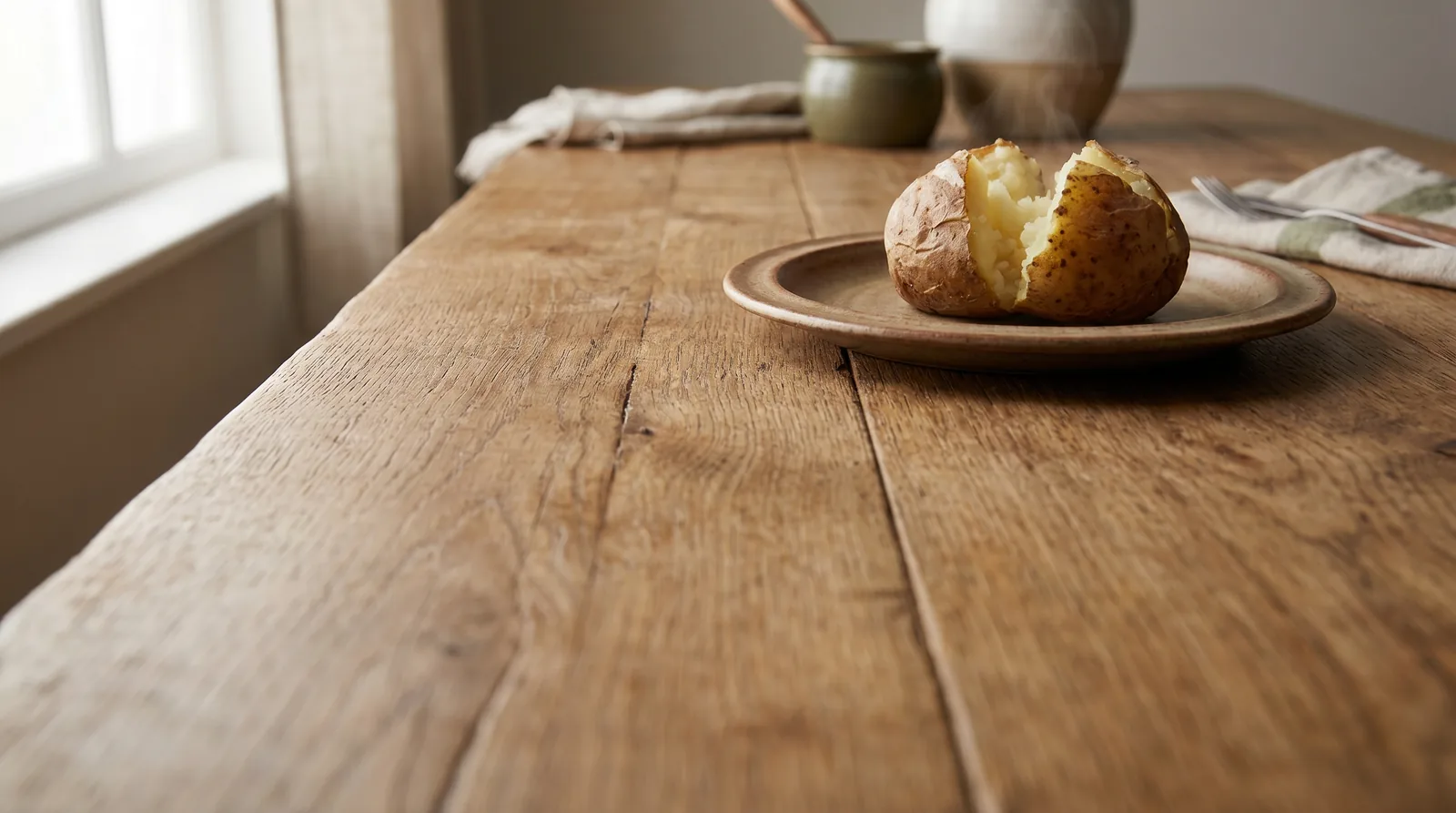
One ingredient: potato protein isolate. No soy, dairy, egg, nut, or gluten, which is exactly the input list an AIP or Hashimoto’s elimination diet is built around. It is a high-quality, allergy-free protein source (Food Research International review, 2021, PMID:34507729) and a low-FODMAP one (Monash University, 2019). Potato protein isolate runs 80–95% protein on a dry basis, and a DIAAS as high as 100% has been reported for it (Herreman et al., Food Science & Nutrition, 2020, PMID:33133540). In a controlled trial, 25 g of potato protein isolate taken twice daily stimulated muscle protein synthesis in young women (Oikawa et al., Nutrients, 2020, PMID:32349353). It disappears into food, which makes it easy to keep separate from your morning medication. Because it is plant-based, the heavy-metal question is real — look for a product whose maker publishes a third-party Certificate of Analysis.
Pros:
- Free of soy, dairy, egg, nut, and gluten
- Low-FODMAP (Monash University, 2019)
- DIAAS reported as high as 100%
- Single ingredient, so the easiest formulation to verify with a published COA
Cons:
- Plant proteins generally carry more heavy metals than whey — verify the COA
- Earthy taste; better masked in a flavored smoothie than in water
- Lower leucine than whey, so dose adequately
- Produced a lower insulin and glycaemic response than whey in one acute study (Nutrients, 2021, PMID:34201703)
Single-Ingredient Pea Protein
Single-ingredient, soy-free
A single-ingredient pea protein is just one ingredient — pea protein — with no soy or dairy. For a thyroid patient avoiding soy, it clears the most important bar. The trade-off is digestibility: Monash University notes that pea protein “can be particularly challenging to purify, and often contain some FODMAPs (eg. GOS and fructan),” so it is a harder fit if your gut is sensitive. Pea is also limited by its sulfur amino acids — across new pea genotypes, methionine plus cysteine averaged only 2.6 g/100 g protein, a chemical score of 46% (Molecules, 2024, PMID 39519674).
Pros:
- Single ingredient, soy- and dairy-free
- Widely available and well documented
- Good lysine content
Cons:
- Often contains FODMAPs (Monash University)
- Methionine + cysteine is the limiting amino acid
- Plant source — confirm third-party metal testing
Organic Plant-Based Blend
Multi-protein, certified organic, often soy-free
A multi-protein plant blend pairs sources such as pea, rice, or seed proteins, usually to round out the amino-acid profile that any single plant protein leaves limiting. Stevia-free versions exist for readers who react to stevia, and protein per serving typically lands somewhere around 15–21 g depending on the formula and scoop size. The caveats are honest ones: a blend adds variables to an elimination diet rather than removing them, and “organic” is not a heavy-metal guarantee — in the Clean Label Project’s 2025 Protein Study 2.0, certified-organic powders averaged three times the lead of non-organic products. As with any plant powder, the heavy-metal screening is on you — ask for the testing data before committing.
Pros:
- Often soy-free and certified organic
- Stevia-free options exist for the stevia-sensitive
- Blended profile fills the amino-acid gap of a single plant source
Cons:
- Multi-ingredient blend, not single-source — more variables for an elimination diet
- Organic averaged 3× the lead in Clean Label Project testing
- Flavored versions add gums, sweeteners, and other inputs to track
How to Time Protein Around Levothyroxine
Take levothyroxine with water on an empty stomach and keep your protein shake separate — per standard prescribing guidance, swallow the tablet 30 to 60 minutes before you eat or drink anything other than water, or alternatively at bedtime at least three hours after your last meal. Food in general, and high-protein meals in particular, can slow or reduce how much of the dose you absorb, so the shake belongs in the window after that gap, not with the pill.
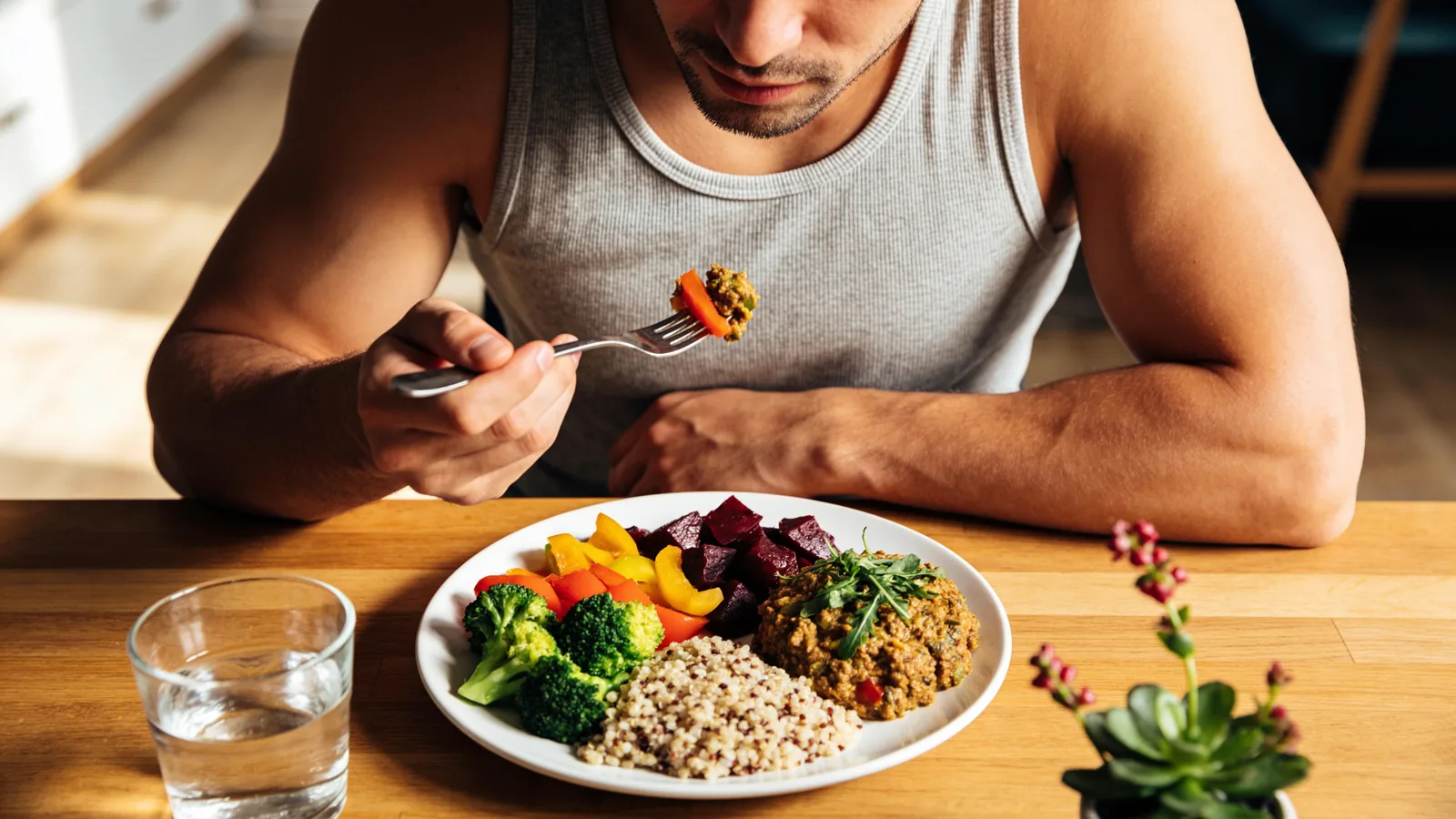
The practical version: medication first, water only, then your usual morning. By the time breakfast and a protein shake arrive, the levothyroxine has had its uninterrupted window. Coffee, calcium, iron, and soy are the other usual suspects that interfere with absorption, which is one more reason a soy-free powder is the sensible default here. None of this is medical advice specific to you — confirm your own timing and dose with the prescriber or pharmacist who knows your labs.
What to Look For on Your Own
If none of the picks above suit you, judge any candidate against the same short list. The thyroid and autoimmune context narrows the field faster than a general protein search would.
Skip soy first
Soy protein isolate is inexpensive and complete, but it is the wrong base for a thyroid plan: soy is routinely listed among the foods that reduce levothyroxine absorption, and AIP protocols exclude it. That single filter removes a large share of the budget plant powders on the shelf.
Treat heavy metals as a plant-protein issue, not a brand issue
This is the uncomfortable part of recommending plant protein honestly. The Clean Label Project’s 2025 Protein Study 2.0 tested 160 products across 70 brands and found 47% exceeded at least one federal or state safety standard, with plant-based powders carrying five times more cadmium than whey-based ones; their independent testing was performed by Ellipse Analytics using ICP-MS. Consumer Reports’ October 2025 testing of 23 products found more than two-thirds exceeded its 0.5-microgram daily lead limit, and plant-based products averaged nine times the lead of dairy-based ones. The lesson is not “avoid plant protein” — it is “demand the test.” A published Certificate of Analysis is how you separate a tested product from an untested one. Our broader take on this lives in why some protein powders carry a Prop 65 warning.
Mind the flavor and the additives
Chocolate is the worst offender in the metals data — chocolate-flavored powders contained 110 times more cadmium than vanilla varieties in the Clean Label Project study, and 65% of them exceeded California Prop 65 levels. Unflavored, unsweetened powder removes that risk and removes stevia, gums, and flavoring agents that an elimination diet would otherwise have to account for. If you want to understand the raw material behind the best pick, read what potato protein actually is.
Single ingredient is the cleanest experiment
With an autoimmune condition, every input you can name is an input you can rule in or out. A one-ingredient isolate is not a marketing flourish here — it is the only formulation that lets you say with confidence what you did and did not consume. For the autoimmune-aware reader, our companion guides on allergen-free protein and protein for autoimmune and anti-inflammatory diets go deeper.
How the picks compare
| Protein source | Single ingredient? | Soy-free | FODMAP profile | Quality note |
|---|---|---|---|---|
| Potato protein isolate | Yes | Yes | Low-FODMAP (Monash, 2019) | DIAAS reported up to 100% |
| Single-ingredient pea protein | Yes | Yes | Often contains FODMAPs (Monash) | Met + Cys limiting (score 46%) |
| Organic plant-based blend | No (blend) | Often | Varies by blend | Typically ~15–21 g protein/serving |