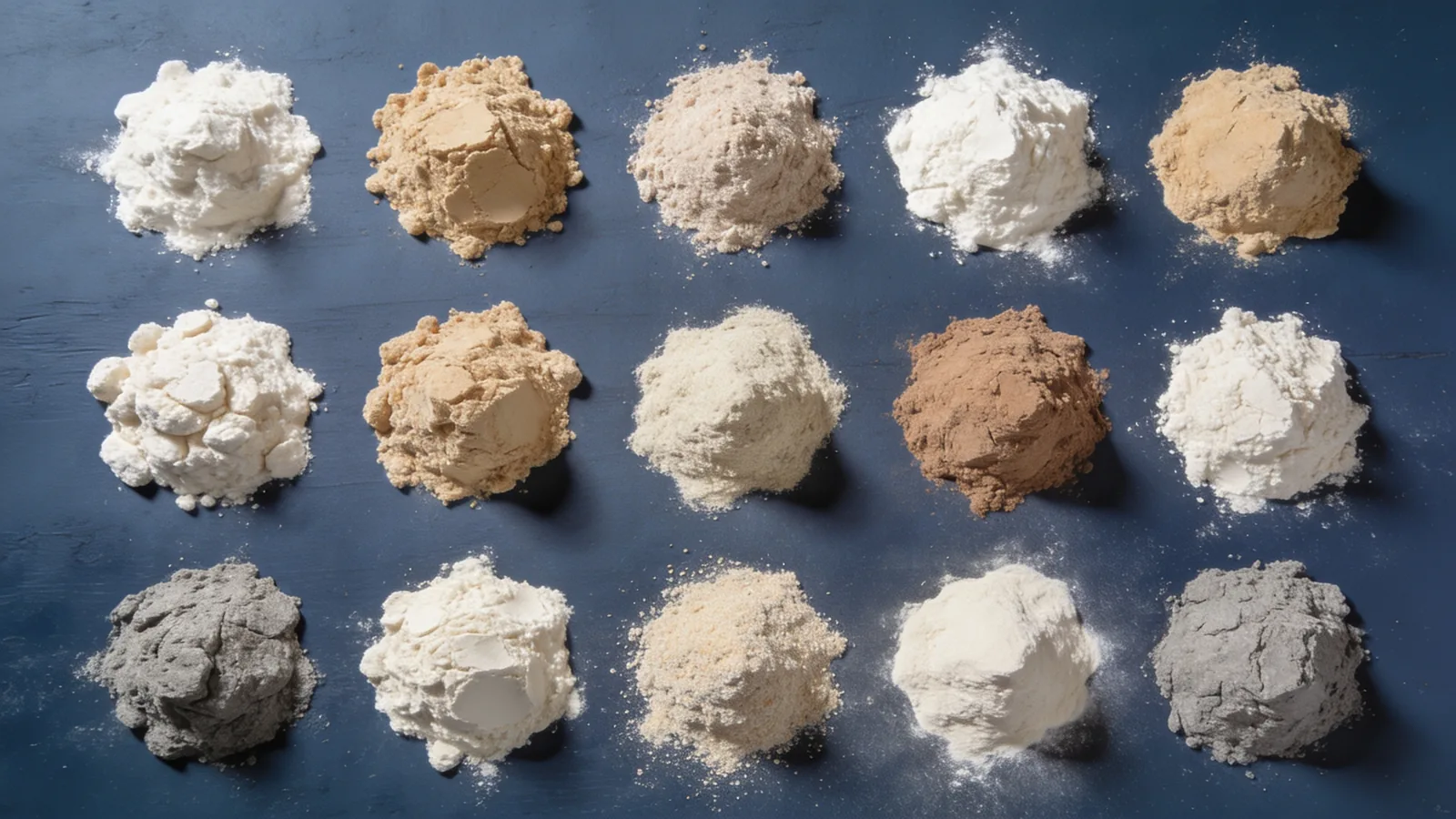
Protein powder and PCOS come down to three deciding factors: added sugar, ingredient count, and protein quality — not the claims printed on the tub. Insulin resistance is common in polycystic ovary syndrome, so a powder that arrives with cane sugar, maltodextrin, or a long additive list works against the steadier blood glucose you are trying to hold. The good news is that the powders worth buying tend to be the simplest ones.
For PCOS, the most useful protein powder has no added sugar, minimal additives, and a complete amino acid profile — features that support satiety and steadier post-meal glucose, both of which matter when insulin resistance is part of the picture. Single-ingredient isolates such as potato, whey, or pea isolate fit best. Potato protein isolate is low-FODMAP and contains 80–95% protein, while whey isolate is 90–95% protein with under 1% lactose. No protein powder treats PCOS; the goal is a high-quality protein that does not undermine glucose control.
We evaluated single-ingredient and minimally formulated powders against the criteria below. Protein powder cannot manage a medical condition on its own — but among two powders with the same gram count, the difference in sugar, additives, and contaminant load is real, and that is what this guide compares.
Top Options by Category
Potato Protein Isolate (single-ingredient)
Single-ingredient plant option
One ingredient: potato protein isolate. No added sugar, no sweeteners, nothing to spike glucose or to read twice. It contains 80–95% protein on a dry basis, and a 2020 trial found that 25g of potato protein isolate stimulates muscle protein synthesis at rest and after resistance exercise in young women (Nutrients, 2020; PMID 32349353) — direct evidence that a plant source can be anabolic, which is not true of every powder on a shelf. It is also one of the few plant proteins Monash University classifies as low-FODMAP (Monash FODMAP, 2019), so it tends to sit well on a sensitive gut. If you want the background on how it is made and why the amino acid profile holds up, our primer on what potato protein is covers it.
Pros:
- One ingredient — no added sugar, sweeteners, or gums
- Low-FODMAP; dairy-, soy-, egg-, nut-free
- Documented muscle protein synthesis at 25g (PMID 32349353)
Cons:
- Earthier taste than flavored, sweetened powders
- Lower GLP-1 response than whey
- Slightly slower amino acid kinetics than whey isolate
Unflavored Whey Isolate
Dairy-based, if tolerated
Whey isolate is 90–95% protein with under 1% lactose, and it is the reference standard for muscle. It is rapidly digested and leucine-rich, which is why whey raised muscle protein synthesis more effectively than casein in older men (Am J Clin Nutr, 2011; PMID 21367943). In a direct acute comparison, whey produced a larger insulin and glycaemic response than potato or rice protein, while the two plant isolates showed a lower insulinaemic response and better glucose maintenance, with no significant difference in appetite (Nutrients, 2021; PMID 34201703). An unflavored whey isolate is a single-ingredient powder with no added sweeteners. The catch is dairy: even at under 1% lactose, some people with PCOS prefer to avoid dairy, and a true whey allergy rules it out entirely.
Pros:
- 90–95% protein, very low lactose
- Highest leucine and fastest absorption of the options here
- Larger GLP-1 response than plant options
- Single ingredient, no added sugar
Cons:
- Dairy — not for whey allergy or dairy avoiders
- Concentrate versions carry more lactose; choose the isolate
Single-Ingredient Pea Protein
Dairy-free, widely available
Pea isolate is single-ingredient, dairy-free, and easy to find. It is lysine-rich — averaging 7.9 g lysine per 100g protein across new genotypes — but its limiting amino acids are methionine plus cysteine, which average only 2.6 g/100g (a chemical score around 46%) (Molecules, 2024, PMID 39519674). That is a real gap, though pairing pea with other foods over the day closes it. Two honest cautions for PCOS buyers: pea and soy proteins can be difficult to purify and often retain some FODMAPs, so they bloat people who potato or whey isolate would not (Monash FODMAP). And plant powders run higher in heavy metals — see the section below — so a Certificate of Analysis matters more here, not less.
Pros:
- Single ingredient, dairy- and soy-free
- High in lysine; widely available
- No added sugar in the unflavored version
Cons:
- Low in methionine + cysteine (score ~46%)
- Can retain FODMAPs — may bloat sensitive guts
- Plant powders average higher lead and cadmium
Multi-Ingredient Plant Blend
Blended, sweetener-free options exist
A multi-ingredient plant blend combines several plant proteins to round out the amino acid profile, rather than relying on a single isolate. Unflavored and sweetener-free versions exist, which is useful for anyone who finds stevia or sucralose unpleasant or gut-disturbing; protein per serving in this category typically runs around 15–21 g, and a no-sweetener version means 0g of added sugar. One trade-off worth naming: the Clean Label Project’s 2025 Protein Study 2.0 found that certified organic protein powders averaged three times the lead of non-organic products, so “organic” is not a shortcut to lower contaminants. Read the maker’s own testing before assuming.
Pros:
- Sweetener-free versions available with 0g added sugar
- Blended amino acid profile across plant sources
- Dairy- and soy-free formulations exist
Cons:
- Often lower protein per serving than a pure isolate
- Multi-ingredient — more to read on the label
- Organic status does not guarantee lower lead
What to Look For on Your Own
Once you stop trusting front-of-tub language, the decision gets simple. Here is how the criteria above translate into reading an actual label.
Start at the ingredient list, not the protein number
A powder marketed for “metabolic support” can still hide cane sugar, dextrins, or a blend of sweeteners. For PCOS, added sugar is the first thing to disqualify. The shortest path is a single-ingredient isolate, where there is no second line to vet. If you choose a blend, count the ingredients and recognize each one. Never squint to read your ingredient label.
Weigh protein quality with PDCAAS and DIAAS
Protein quality scores tell you whether the amino acids will actually be used. PDCAAS is the FAO/WHO method that compares a protein’s first limiting amino acid against a reference pattern, then corrects for digestibility, with scores capped (truncated) at 1.00 (Schaafsma, J Nutr, 2000; PMID 10867064). On that scale, egg protein scores about 1.00, while wheat gluten scores around 0.25. Among vegetable proteins, potato isolate sits near the top, and its DIAAS has been reported as high as 100% (Food Science & Nutrition, Herreman et al., 2020; PMID 33133540). DIAAS is the newer FAO-endorsed measure; if the distinction matters to your buying decision, we explain it in DIAAS vs PDCAAS.
Take heavy-metal testing seriously — especially for plant powders
This is the part most PCOS guides skip. The Clean Label Project’s 2025 Protein Study 2.0 tested 160 products across 70 brands and found 47% exceeded at least one federal or state safety standard, with plant-based powders containing five times more cadmium than whey-based varieties. Consumer Reports’ 2025 testing of 23 products found plant-based powders averaged nine times the lead of dairy-based ones, and that more than two-thirds of products exceeded its safe daily limit for lead. Chocolate flavor is the worst offender: the Clean Label Project found chocolate powders carried 110 times more cadmium than vanilla. None of this means avoid plant protein — it means buy from a maker that publishes its Certificate of Analysis and pick vanilla or unflavored over chocolate.
Consider the glucose and cardiovascular picture
PCOS raises long-term cardiovascular and type-2-diabetes risk, so protein source is worth a thought beyond the shake itself. A meta-analysis found that the type of protein matters: red and processed meat associated with higher type-2-diabetes risk, while plant protein showed no such association (Nutrients, 2017; PMID 28878172). Separately, people who ate the highest ratio of plant to animal protein had a 19% lower risk of cardiovascular disease (Am J Clin Nutr, Glenn et al., 2024; PMID 39631999). That is a reason some PCOS buyers lean plant-forward — without giving up protein quality, which potato isolate keeps intact. For the broader strategy, our protein for weight loss guide and the protein powder for diabetics piece both apply directly to insulin-resistant physiology.
Comparison at a glance
| Protein source | Protein content | Amino acid note | Allergen | FODMAP | Added sugar (isolate) |
|---|---|---|---|---|---|
| Potato protein isolate | 80–95% | Complete; documented MPS at 25g | Allergen-friendly | Low-FODMAP | None |
| Whey protein isolate | 90–95% | High leucine, fast absorption | Dairy | Low (under 1% lactose) | None |
| Pea protein isolate | — | Lysine-rich; low met + cys (~46%) | Legume | Can retain FODMAPs | None |
| Egg white | — | PDCAAS 1.00 reference protein | Egg | — | None |
Reliable percentage figures for pea isolate and egg-white powders are not consistently established across the verified sources, so those cells are left without a number rather than filled with a guess.