Protein shakes without stevia are harder to find than the marketing suggests, because stevia rarely appears under the word “stevia” alone. It shows up as Reb-A, rebaudioside A, steviol glycoside, or stevia leaf extract — four names for the same plant compound, scattered across ingredient panels that still claim “no added sugar.” If you avoid stevia for taste, digestion, or simply because you prefer fewer inputs, the label is the only thing that tells the truth.
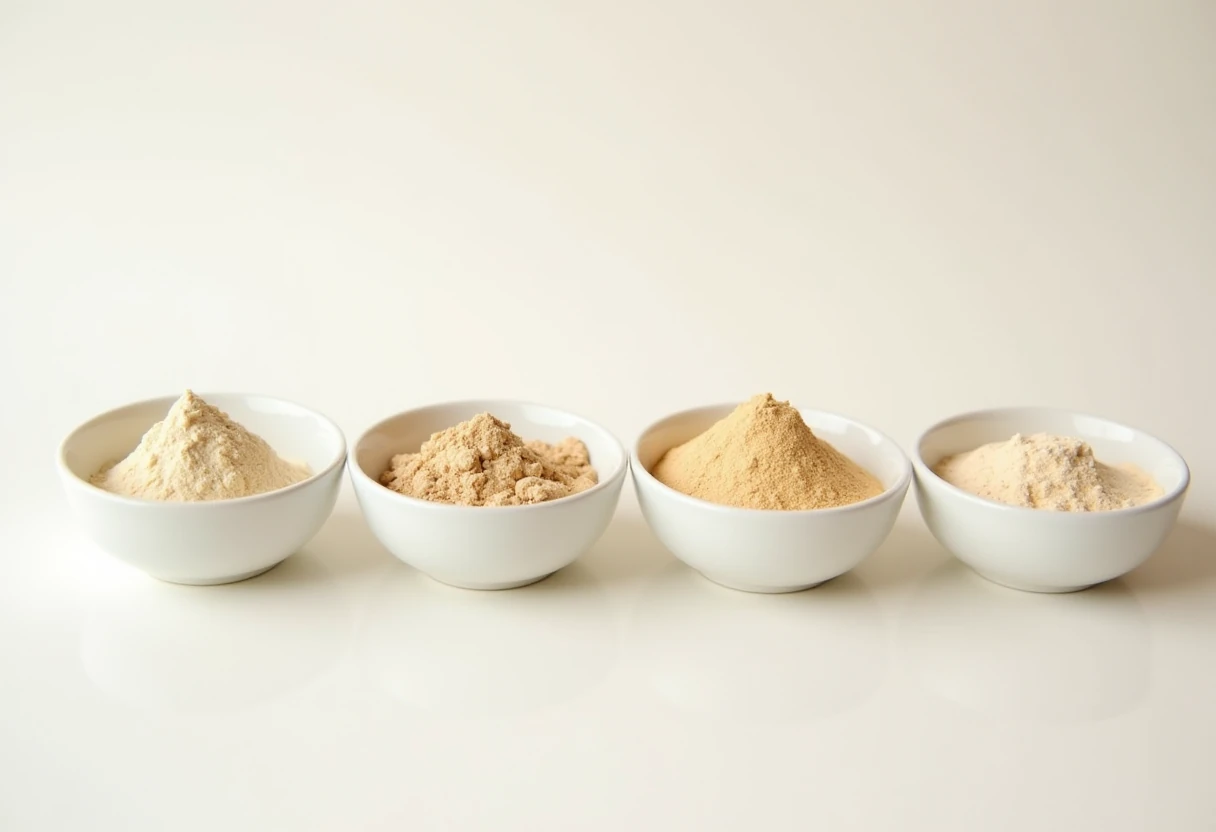
Protein shakes without stevia do exist, but stevia hides under several label names — Reb-A, rebaudioside A, steviol glycoside, and stevia leaf extract — so you have to read past the front of the package. The most reliable way to avoid stevia and every other sweetener is a single-ingredient protein powder: if the panel lists exactly one item, there is nowhere for a sweetener to hide. Sweetener-free options include single-ingredient potato, pea, and rice isolates, which you flavor yourself.
We evaluated sweetener-free protein powders the way a label-reader would: by counting ingredients, checking for every hidden sweetener variant, and weighing protein content against third-party testing data.
Why People Avoid Stevia
People avoid stevia for three concrete reasons: aftertaste, digestion, and a preference for fewer ingredients. Stevia is a zero-calorie sweetener derived from the Stevia rebaudiana plant, and while many people taste nothing unusual, a sizeable minority taste something distinctly off — and a smaller group reports gut symptoms.
The aftertaste is genetic. Bitter perception is partly governed by variation in the TAS2R38 receptor gene, and so-called supertasters pick up a bitter or metallic note in steviol glycosides that other people cannot detect at all. If you have ever wondered why a shake everyone else likes tastes faintly chemical to you, this is a likely explanation — it is not in your head, it is in your receptors.
The digestive angle is less settled but worth naming. Some research has examined how high-intensity sweeteners interact with the gut microbiome, with effects that appear to vary by individual and dose. The evidence is not strong enough to call stevia harmful, and we will not. But for someone with a sensitive gut who is already eliminating variables, “the data is mixed” is reason enough to leave it out. Potato protein, by contrast, is generally well tolerated as a low-FODMAP protein source, which matters for readers managing IBS.
And then there is the simplest reason of all: some people just want protein. Not protein plus a sweetening system plus flavoring plus a thickener. If you would rather decide for yourself what goes in the glass, a sweetener-free powder hands you that control. This guide sits inside our broader allergen-free protein guide, which covers the same label-reading logic across dairy, soy, and gluten.
Top Options by Category
Potato Protein Isolate (single-ingredient)
Strongest all-around plant option
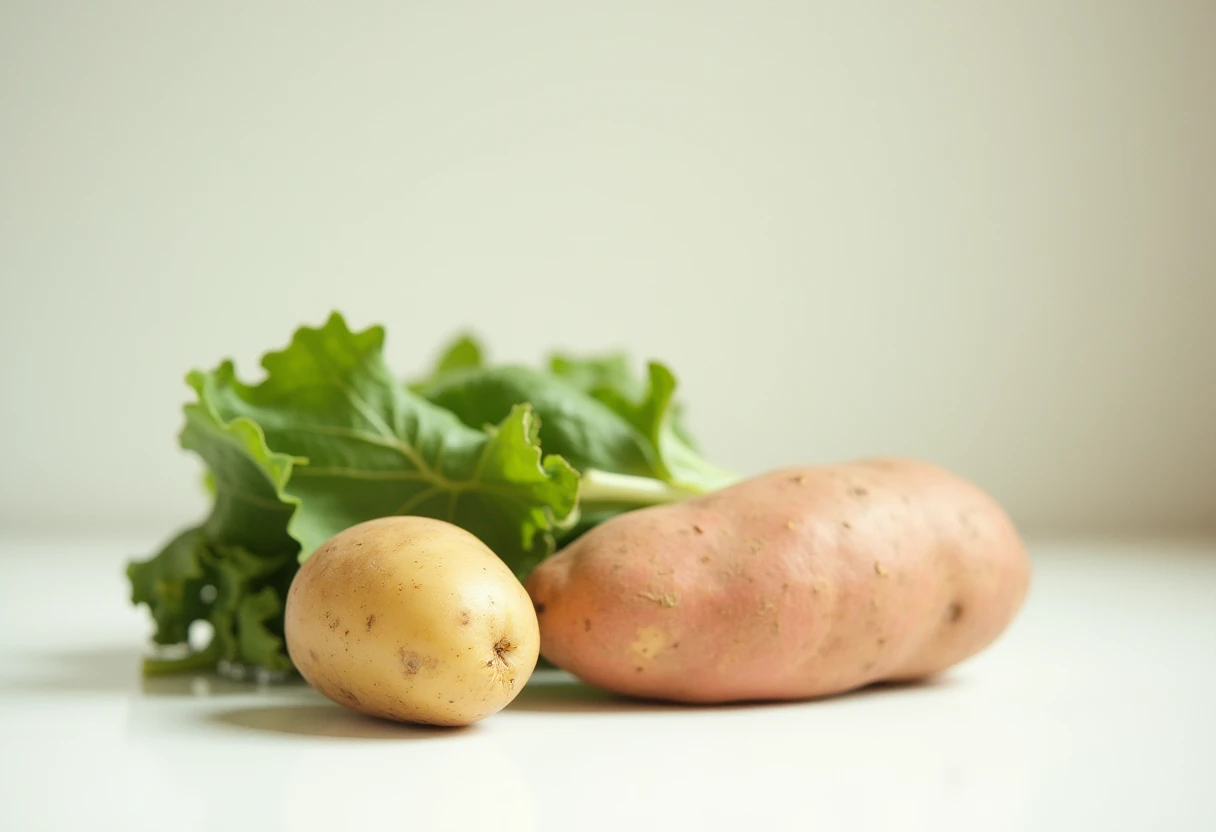
Single-ingredient potato protein isolate is one item on the panel. No stevia, no monk fruit, no erythritol, no flavoring — there is no second ingredient for a sweetener to be. That is the only way to be certain a powder is sweetener-free, because you are not trusting a marketing claim, you are reading a list of one. Potato protein isolate runs 80–95% protein on a dry basis, and a 2020 study found that 25g of potato protein isolate stimulated muscle protein synthesis at rest and after exercise in young women (Nutrients, 2020, PMID:32349353). Its DIAAS has been reported as high as 100% (Food Science & Nutrition, Herreman et al., 2020, PMID:33133540), and it is generally well tolerated as a low-FODMAP protein source. It is unflavored by design, so it disappears into coffee, oats, soup, or a smoothie you sweeten with actual fruit.
Pros:
- One ingredient — zero sweeteners, verifiable at a glance
- Free of dairy, soy, egg, gluten, and nuts
- Low-FODMAP; high digestibility scores
- Look for a published certificate of analysis for heavy metals
Cons:
- Unflavored — you do the seasoning
- Earthy taste that needs a recipe, not just water
Single-Ingredient Pea Or Rice Isolate
Best other single-ingredient option
A single-ingredient pea or rice protein is just one input on the panel — yellow pea protein, or brown rice protein, and nothing else. The unflavored versions contain no stevia and no other sweetener, which makes them a credible alternative if you want a plant source other than potato, and whey isolate offers the same one-line option for a dairy base. As with any single-ingredient powder, the panel is short enough to verify yourself — the whole point. Flavored and pre-sweetened lines are a different story, so stay on the unflavored version.
Pros:
- Genuine single-ingredient unflavored options
- Choice of pea, rice, or whey base
- Easy to confirm sweetener-free status
Cons:
- Flavored versions do contain added ingredients
- Pea and rice are higher-FODMAP than potato
Organic Plant-Based Blend (Lightly Sweetened, Stevia-Free)
Best stevia-free blend with flavor
An organic plant-based blend marketed as stevia-free can provide 20g of plant-based protein per serving. It is a blend rather than a single ingredient, so it is not sweetener-free in the strict sense — read the panel to confirm what is doing the flavoring on the specific flavor you buy. We include it honestly because it is a real option for someone who wants a ready-to-drink-style taste without stevia specifically. This kind of blend is also a mainstream allergen-friendly pick. One caution applies to all organic plant powders: see the heavy-metals section below.
Pros:
- 20g protein per serving
- Marketed explicitly stevia-free
- More palatable to people who dislike unflavored
Cons:
- A blend, not a single ingredient
- Organic plant powders skew higher on heavy metals (see below)
Organic Plant-Based Blend (Zero-Sugar, Stevia-Free)
Best zero-sugar stevia-free
A zero-sugar, stevia-free organic plant-based blend can provide 15g of protein and 0g of sugar per serving. It is a useful pick for someone who wants a widely available organic option and has specifically reacted to stevia in the past. Like the lightly sweetened blend above, it is a multi-ingredient blend, so “stevia free” does not automatically mean “sweetener free” — check the panel for the variant you buy. The protein-per-serving is lower than the others here, so size your scoop accordingly.
Pros:
- 0g sugar, explicitly stevia-free
- Widely available organic option
Cons:
- 15g protein per serving — lower than peers
- Blend with multiple ingredients to read
Side-by-Side Comparison
Protein figures are per the manufacturer’s stated serving. “Sweetener” reflects the unflavored or stevia-free version named; flavored versions of the same product types may differ, so always confirm on the tub in your hand.
| Product | Ingredients | Protein / serving | Sweetener | Taste notes |
|---|---|---|---|---|
| Potato Protein Isolate (single-ingredient) | 1 (potato protein isolate) | ~20–25g per scoop | None of any kind | Earthy, unflavored; disappears into food |
| Single-ingredient pea/rice/whey (unflavored) | 1 (pea, rice, or whey) | ~20–27g per scoop | None (unflavored version) | Mild, source-dependent |
| Organic plant-based blend (lightly sweetened) | Blend | 20g | Stevia-free; check panel | Flavored, smoother for newcomers |
| Organic plant-based blend (zero-sugar) | Blend | 15g | Stevia-free; check panel | Flavored organic blend, 0g sugar |
What to Look For on Your Own
You will not always be choosing from a shortlist. When you are standing in front of a wall of tubs, the skill is reading the ingredient panel quickly and knowing what the words mean. Stevia is the headline problem here, but it travels with company.
Every name stevia hides under
Stevia is almost never printed as “stevia” in an ingredient list. Scan instead for all of these, because they are the same thing:
- Reb-A and Rebaudioside A — the most refined steviol glycoside, the usual culprit
- Steviol glycosides — the umbrella chemical term
- Stevia leaf extract — the “less processed” framing, still stevia
A product can read “no artificial sweeteners” on the front and list Reb-A on the back. The front is advertising. The back is the contract.
The other sweeteners in the same aisle
Removing stevia does not help if a product simply substituted another sweetener. Watch for these, which appear constantly in protein powders:
- Monk fruit (luo han guo) — usually paired with erythritol as a bulking agent, so one name often means two ingredients
- Sucralose — a high-intensity sweetener common in “zero sugar” shakes
- Acesulfame-K (acesulfame potassium, Ace-K) — frequently stacked with sucralose
- Xylitol and other sugar alcohols — note that xylitol is toxic to dogs, which matters in a household with a kitchen-counter raider
Some powders use monk fruit, coconut sugar, or flavoring systems as stevia alternatives. None of those make a product sweetener-free; they make it sweetened differently. The only panel that removes every one of these is a panel with one line on it. That is the argument for a single-ingredient protein powder.
Heavy metals: the issue nobody puts on the front
While you are reading labels, read for what is not listed. Independent testing has repeatedly found measurable heavy-metal contamination in this category. In the Clean Label Project’s 2025 Protein Study 2.0, plant-based powders contained five times more cadmium than whey-based varieties, certified organic products averaged three times the lead of non-organic, and chocolate powders carried 110 times more cadmium than vanilla, with 65% of chocolate powders exceeding California Prop 65 levels (Clean Label Project, Protein Study 2.0, 2025). Consumer Reports tested 23 protein products in October 2025 and found more than two-thirds exceeded its safe daily lead limit, with plant-based products averaging nine times the lead of dairy-based powders (Consumer Reports, 2025). This is why a published certificate of analysis matters — and why “organic” on the front is not the reassurance it sounds like.
Five label questions before you buy
Run any tub through this checklist. If you cannot answer “yes” to the first one, the rest barely matter.
- 1. How many ingredients are on the panel? One is verifiable. Twelve is a leap of faith.
- 2. Is any stevia variant present? Reb-A, rebaudioside A, steviol glycoside, stevia leaf extract.
- 3. Is a non-stevia sweetener doing the job instead? Monk fruit, erythritol, sucralose, acesulfame-K, xylitol.
- 4. Is there published third-party heavy-metal testing? A certificate of analysis you can actually read.
- 5. Does the protein content justify the serving size? 15g and 25g are not the same scoop.
For the wider version of this reasoning — how to choose any powder without the junk — see our guide to protein powder without junk ingredients and our roundup of common protein problems.