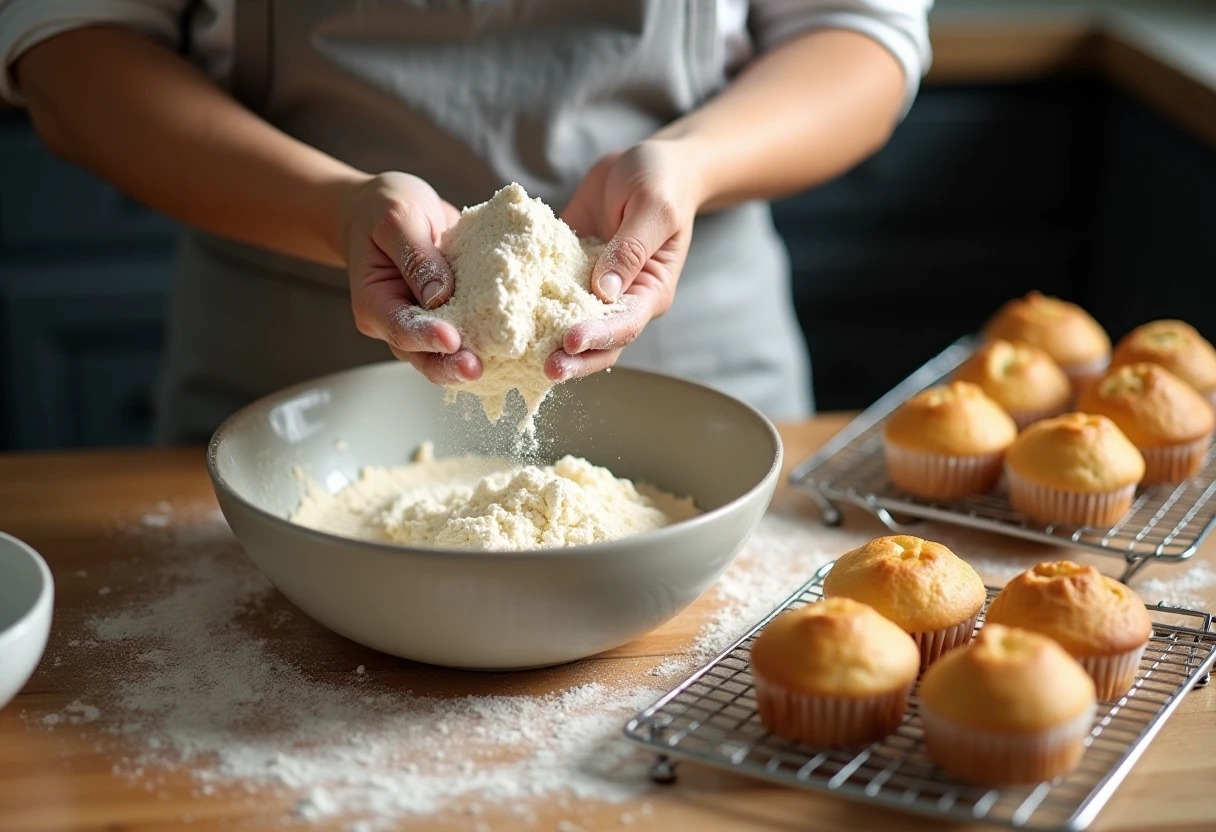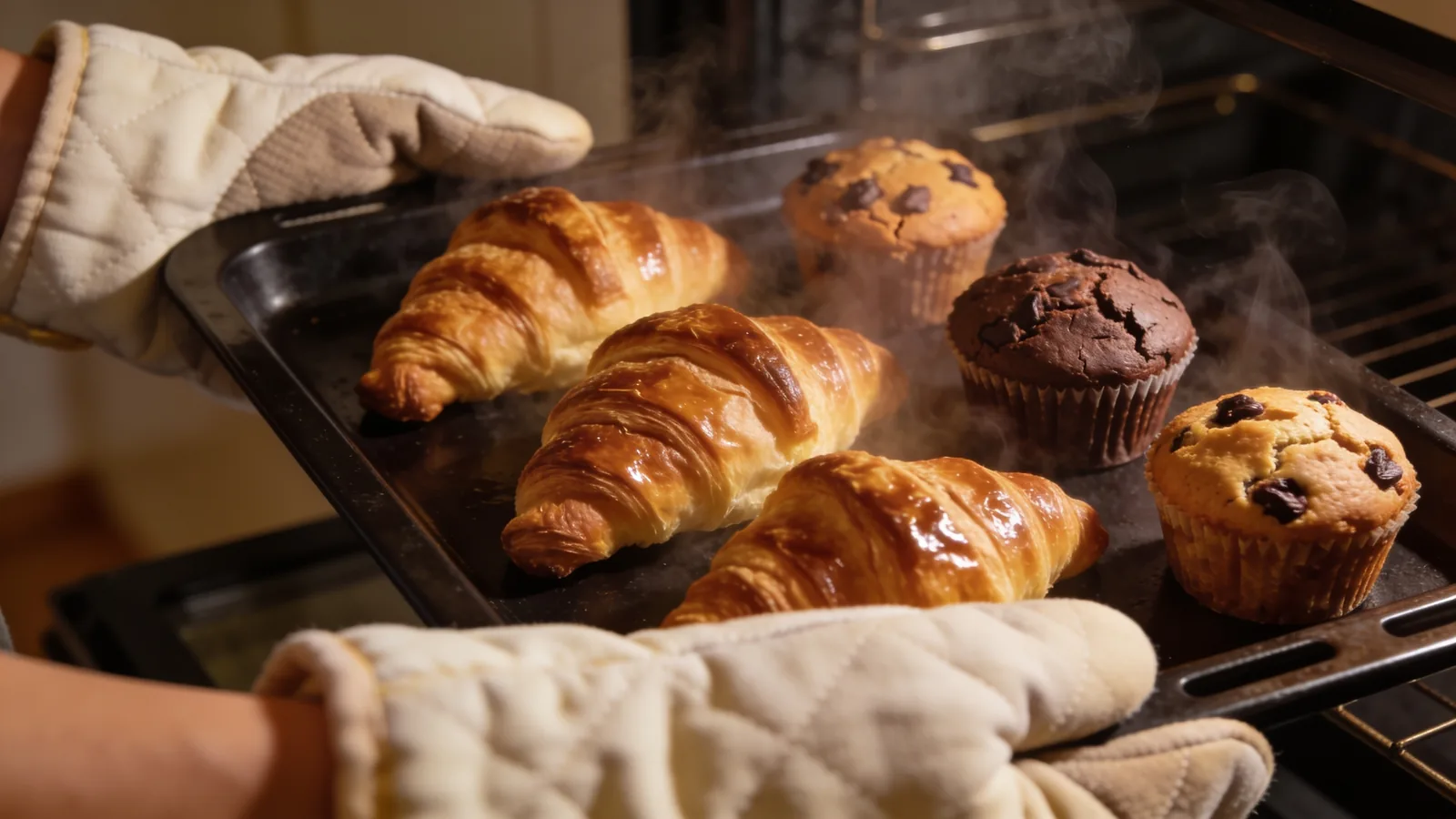
Heat does not destroy the protein in protein powder when you cook with it. The amino acids — the part that matters for muscle and nutrition — survive baking, simmering, and the oven intact. Choosing the best cooking protein powder is therefore less about protecting the protein and more about texture, flavour, and how the powder behaves once it hits heat.
Cooking protein powder does not reduce its protein content. Heat denatures protein — it unfolds the molecule’s three-dimensional shape — but the underlying amino acid chain stays intact and digestible. In some cases, denaturation makes protein easier to digest. The best cooking protein powder is one that stays neutral in flavour and does not turn gritty or rubbery, which is why single-ingredient potato protein isolate (80–95% protein) holds up well in batters and doughs.
Does Heat Destroy Protein Powder?
No. Heat does not destroy protein powder or measurably lower its protein content. Cooking denatures the protein — it unravels the folded structure — but the amino acids that make protein nutritionally useful remain. The general consensus across nutrition sources is that heating or cooking protein powder does not damage its protein content (Wellbeing Port).
The confusion comes from the word “denature.” It sounds destructive. It is not. Denaturation is what happens when you fry an egg: the clear white turns opaque and firm because the protein unfolds and re-bonds, yet a cooked egg is no less a complete protein than a raw one. The same physics apply to the scoop in your jar.
What Actually Happens to Protein When You Heat It
When protein meets heat, the long amino acid chain loses its folded shape and the strands tangle together — a process called aggregation. This changes texture and solubility, not nutritional value. The peptide bonds linking amino acids stay put at normal cooking temperatures, so your body still absorbs the same amino acids it would from the uncooked powder.
There is a real-world example in the allergen literature. Potato allergens are heat-labile at 50°C, and that heat sensitivity is explained by the aggregation of patatin (potato protein’s dominant fraction) with other proteins rather than by destruction of the protein itself (Pots et al. 1998; Koppelman et al. 2002). In other words, heat changes how the protein clumps and how the immune system sees it — it does not erase the molecule. For someone cooking, that is a useful property: the protein is still there, just behaving differently.
The main thing you can lose to extreme, prolonged heat is a fraction of certain heat-sensitive amino acids like lysine, through browning reactions (the Maillard reaction that crisps a crust). At household baking temperatures this loss is minor and far outweighed by the protein you keep. If you want the granular detail on the science of the ingredient itself, see our explainer on what potato protein is.
What Makes the Best Cooking Protein Powder
The best cooking protein powder is judged on four things: heat behaviour, flavour neutrality, allergen profile, and what else is in the bag. Protein survival is a given — every protein keeps its amino acids through the oven — so the real differences are functional.
Heat behaviour
Not all proteins respond to heat the same way. Whey proteins have low heat stability under processing conditions, which limits their use in low-acid or high-pH systems (Journal of Dairy Science). In practice, whey can turn grainy or seize in hot liquids and high-heat bakes. The industry response tells you something: heat-stable hen egg yolk powder is sold specifically as a product engineered for thermal processing. If a protein needs a special “heat-stable” version, the standard version has a heat problem.
Potato protein isolate behaves predictably under heat and brings genuine functional value to baked goods. A review of potato protein highlights its functional properties — including gelation and foaming — alongside its nutritional completeness (Food Research International, PMID:34507729). Proteins that act at the air/water interface help form and stabilise foams in bakery products, which is exactly the structure you want in a pancake, muffin, or quick bread.
Flavour neutrality
A protein you cook with should disappear into the food. Flavourless vegan proteins are notoriously hard to formulate — soy isolate is considered the closest, and even that is described as “far from flavourless” (Drink Wholesome). A single-ingredient potato protein isolate has no added sweeteners or gums to clash with savoury recipes, which is why it works in bread and pasta as readily as in a shake.
Allergen profile and ingredient list
For anyone baking for a kid with allergies, a single-ingredient powder is the safest bet: nothing hidden, nothing to react to. Potato protein is dairy-free, egg-free, nut-free, soy-free, and a low-FODMAP protein source (Monash FODMAP). For the wider context on why ingredient count matters, see our allergen-free protein guide.
Protein Powders Compared for Cooking
This table compares common protein powders on the factors that matter when you turn the oven on. Reliable published heat-stability ratings are not established for every source, so cells without a verified value are left as em-dashes.
| Protein | Heat behaviour | Flavour when baked | Allergen profile |
|---|---|---|---|
| Potato protein isolate | Predictable; gels and foams | Neutral, no additives | Dairy/egg/nut/soy-free, low-FODMAP |
| Whey concentrate/isolate | Low heat stability; can grain | Dairy notes | Contains dairy; concentrate higher in lactose |
| Egg white | Sets and foams; heat-stable yolk versions sold separately | — | Contains egg |
| Soy isolate | — | Closest to neutral but not flavourless | Contains soy |
| Pea protein | — | Earthy/beany | May contain FODMAPs (GOS, fructan) |
Does Cooking Change Protein Quality?
Cooking does not meaningfully lower protein quality at household temperatures, and it can improve digestibility by denaturing protein into a form enzymes reach more easily. Potato protein isolate already scores well: its DIAAS has been reported as high as 100% (Food Science & Nutrition, Herreman et al., PMID:33133540), and a controlled trial found that 25 g of potato protein isolate stimulated muscle protein synthesis at rest and after exercise in young women (Nutrients, PMID:32349353).
That said, plant proteins generally carry lower protein-quality scores than animal proteins, and they tend to produce a slower postprandial rise in amino acids. If you are baking to hit a protein target rather than to replace a post-workout shake, this matters less — you are folding the powder into a meal, not racing for peak leucine. For the trade-offs in muscle-building terms, our guide on whether plant protein is as good as whey covers the evidence.
How to Cook With Protein Powder Without Wrecking the Texture
The failures people blame on “heat destroying protein” are almost always texture problems, not nutrition problems. Three rules prevent most of them:
- Replace flour, do not add to it. Protein powder absorbs liquid aggressively. Swap out roughly a quarter of the flour rather than dumping a scoop on top, or the result turns dry and dense.
- Mix into cold or warm liquid first, not boiling. Protein dropped straight into boiling water seizes and clumps. We cover the mechanism in why protein powder clumps in hot liquids.
- Do not overbake. High-protein batters firm up faster and dry out sooner. Pull them a few minutes early.
For tested formulas built around these rules, browse our recipe index.
References
- Oikawa SY, et al. Potato Protein Isolate Stimulates Muscle Protein Synthesis at Rest and after Recovery from Exercise in Young Women. Nutrients (2020). PMID:32349353
- Herreman L, et al. Food Science & Nutrition (2020). PMID:33133540
- Potato protein: An emerging source of high quality and allergy-free protein, with functionalities and applications. Food Research International (2021). PMID:34507729