You can replace part of the flour in a recipe with a protein powder you can bake with — typically up to about a quarter — but not all of it, because protein has none of the structure-building gluten or starch that flour brings. What you need: An unflavored protein isolate or concentrate · A working flour-based recipe · A kitchen scale · Extra liquid or fat · Time: 15 min prep
The short version: a protein powder you can bake with works as a partial flour substitute, not a one-to-one swap. Flour does two jobs at once — it builds structure (gluten in wheat, starch networks in gluten-free blends) and it absorbs moisture. Protein powder does neither well on its own. Swap too much in and you get a dense, dry, rubbery result. Swap a measured amount in and you raise the protein content of pancakes, muffins, or quick breads without anyone noticing.
Steps to Swap Protein Powder for Flour
Understand what flour does that protein powder cannot
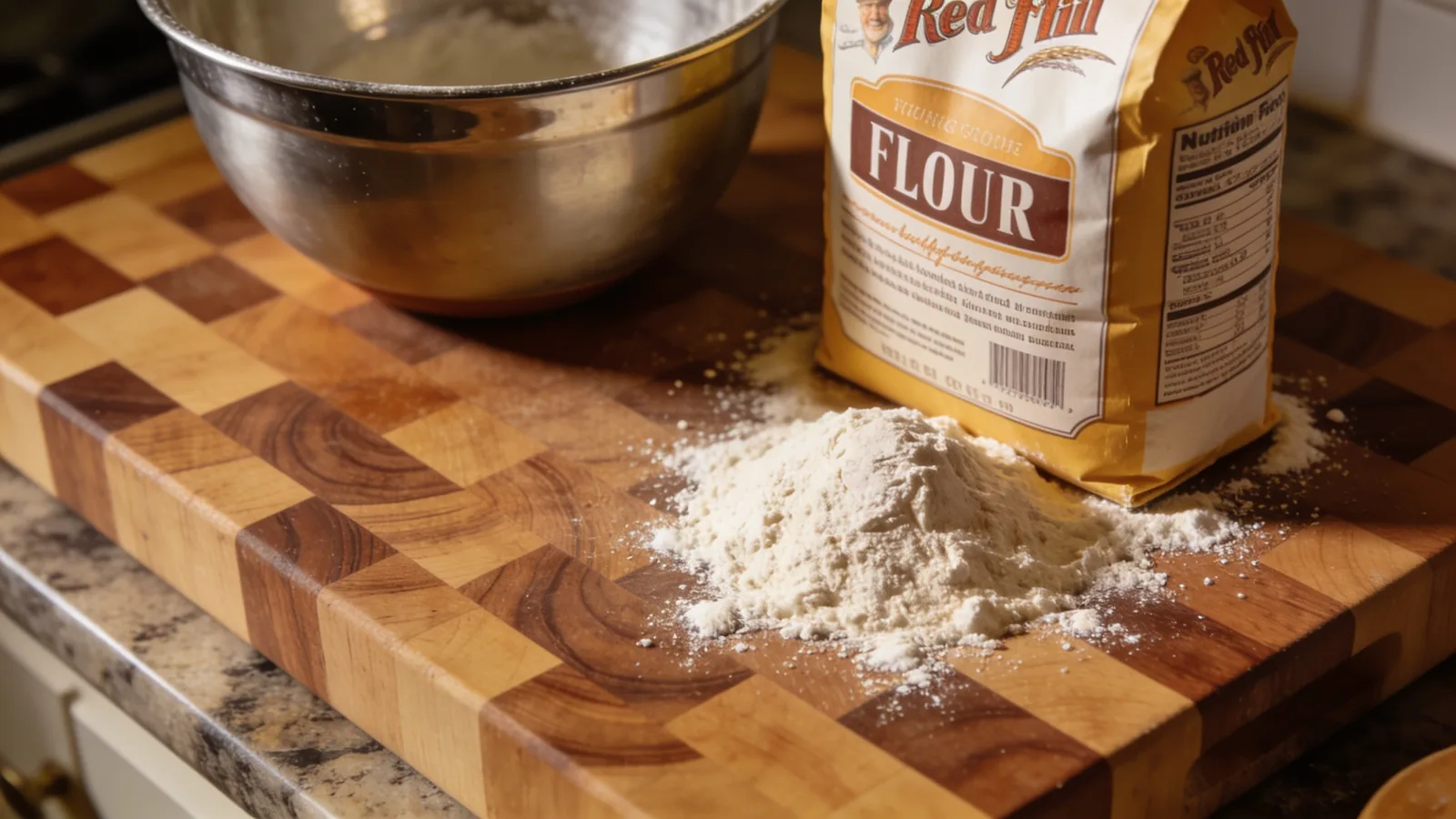
Flour is mostly starch with some protein. In wheat it forms gluten — the elastic web that traps gas and gives bread its chew. In gluten-free blends, starches and gums do a version of the same job. A protein isolate is 80–95% protein on a dry basis and almost no starch, so it brings no structure and very little water-holding capacity. That is why you cannot replace flour cup-for-cup. Think of protein powder as an additive that raises the protein content, not as a flour by another name.
Tip: Potato protein isolate also brings functional properties beyond nutrition — solubility, emulsification, foaming, and gelation — which is why food manufacturers use it in baked goods, not only in shakes (Potato News Today, 2023).
Pick an unflavored isolate or a concentrate
Use an unflavored powder so you control sweetness, salt, and flavor yourself. Nicole Hunn of Gluten Free on a Shoestring recommends unflavored protein isolates for baking specifically to avoid the extra ingredients — sweeteners, gums, flavors — that ride along in flavored powders. There is a second choice to make: isolate versus concentrate. Fitfoodwizard.com notes that for baking it helps to use a protein concentrate rather than an isolate, or a mix of both, because the more refined the isolate, the more it tends to dry out a crumb. A concentrate keeps a little more of the carbohydrate that holds moisture.
Single-ingredient potato protein isolate is a reasonable starting point: it carries no dairy, egg, soy, or nuts, and Monash University classifies potato protein as a low-FODMAP source — useful if you bake for a sensitive gut. If you want the background on the ingredient itself, see what potato protein actually is.
Replace only a quarter of the flour by weight
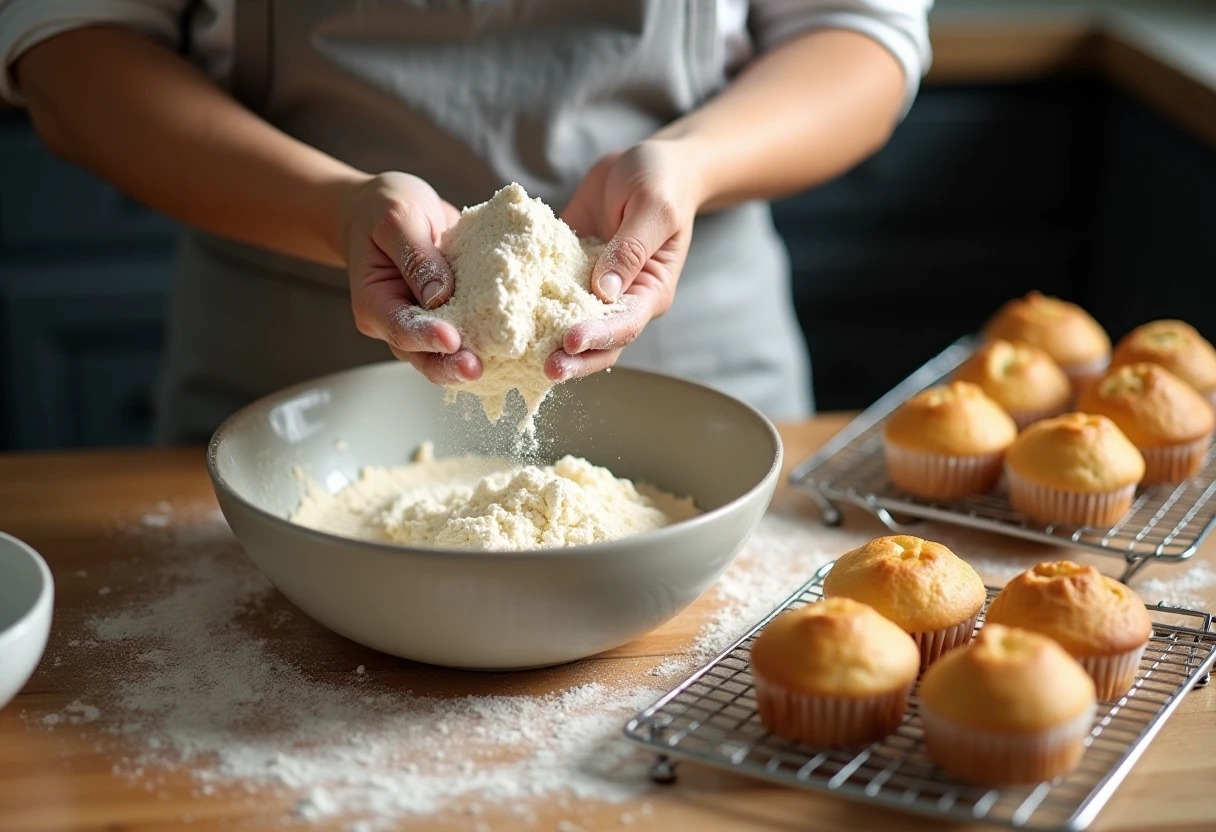
Start conservative. Remove about 25% of the flour and add back roughly the same weight in protein powder, measured on a scale rather than by volume — protein powder is far lighter per cup than flour, so volume measurements drift badly. For 200g of flour, that means pulling 50g of flour and adding 50g of powder. Bake it, taste it, then decide whether to push toward 30% next time. Solanic potato protein isolate is approved as Generally Recognized as Safe for baked goods at inclusion levels from 0.01% up to 10% of the formula, which tells you the commercial ceiling is a small fraction, not a wholesale replacement.
Pitfall: Replacing more than about a third of the flour is where most home bakes fall apart — literally. The Gluten Free on a Shoestring pancake recipe advises against using protein powder on its own, noting it bakes up drying and will not hold together, and recommends mixing it with oat flour or a gluten-free blend instead.
Add liquid or fat to offset the drying effect
Protein powder pulls moisture out of a crumb as it sets. Compensate by adding extra liquid — a tablespoon or two of milk, water, or a plant alternative — or a little more fat, yogurt, or mashed banana. The goal is a batter that looks slightly wetter than the original before you account for the swap. For pancakes and muffins this is usually enough. For anything that needs to rise and hold, you also want a binder doing the structural work the protein cannot.
Proteins do contribute one thing at the structural level: they can form and stabilize foams at the air-water interface, which is part of how they support crumb in bakery products (INFLIBNET, 2018). That helps a light pancake or muffin — but it does not substitute for gluten or a gum in a loaf.
Bake, taste, and adjust the ratio next time
Watch the timing — higher-protein batters can set and brown a touch faster, so check a few minutes early. Heating does not waste the protein: the general consensus is that cooking or baking protein powder does not destroy its protein content (Wellbeing Port). What changes is texture, not nutrition. Gluten-free and protein baking both reward iteration; one widely shared point among gluten-free bakers is that good results come from experimenting and adapting to the specific flour blend you are using, not from a single fixed formula. Keep notes on the ratio that worked, and treat each recipe as its own experiment.
Checklist
- Replace no more than 25–30% of the flour, weighed on a scale
- Use an unflavored isolate or a concentrate (or a mix of both)
- Add extra liquid or fat to offset drying
- Keep a gluten or gum doing the structural work in breads
- Check the bake a few minutes because of faster browning
- Write down the ratio that worked for next time
For tested formulas built around this approach — pancakes, muffins, and quick breads that already account for the swap — see the recipe index. If you would rather stir protein into something with no baking at all, our guide to adding protein powder to oatmeal, soup, or bread dough covers the easier wins.