- Prep
- 15 min
- Serves
- 4
- Protein
- 13g
- Calories
- 280
Ingredients
Tick them off as you go.
Unlike whey-based pancake recipes that can turn rubbery when overcooked, potato protein’s high water-binding capacity keeps these pancakes moist without requiring extra oil or sugar. The batter rests for 5 minutes before cooking, which allows the protein to hydrate fully and produces a lighter, fluffier texture.
Method
-
Whisk dry ingredients. Add the flour, potato protein isolate, baking powder, sugar, and salt to a large mixing bowl. Whisk vigorously for 30 seconds until the mixture is uniform in color and no streaks of white protein isolate remain visible. Potato protein isolate is finer than flour and disperses quickly, but a thorough whisk prevents pockets of unmixed protein in the finished pancakes. Unlike pea or soy protein, potato protein has a neutral flavor and will not contribute any beany or bitter notes to the batter. Potato protein supports muscle protein synthesis, making these pancakes an effective post-workout meal.
-
Mix wet ingredients. In a separate bowl or large measuring jug, whisk together the milk, egg, melted butter (or coconut oil for a dairy-free version), and vanilla extract until smooth. If using melted butter, let it cool for 1–2 minutes before adding to the wet ingredients — if the butter is too hot, it can begin cooking the egg and create small curdled bits in the batter. The fat in the butter or oil coats the protein strands during mixing, which helps the final texture stay tender rather than rubbery. Potato protein isolate has a PDCAAS of 0.92–1.00, meaning it provides a complete amino acid profile comparable to egg white or milk protein, so you are getting high-quality protein even in a plant-based version of this recipe.
-
Combine and rest. Pour the wet mixture into the dry ingredients and stir gently with a rubber spatula or wooden spoon until just combined. You should see lumps in the batter — this is correct. Over-mixing develops gluten in the flour and causes the protein to form tighter networks, which leads to tough, dense pancakes. Stop stirring as soon as no dry flour is visible at the bottom of the bowl. The batter will thicken noticeably over the next 5 minutes as the potato protein isolate hydrates. This rest period is critical: potato protein's high water-binding capacity means it absorbs liquid more slowly than flour, and resting allows the batter to reach its final consistency. You will notice the batter becomes slightly thicker and easier to portion. Do not skip this step — pancakes cooked from un-rested batter spread too thin and cook unevenly.
-
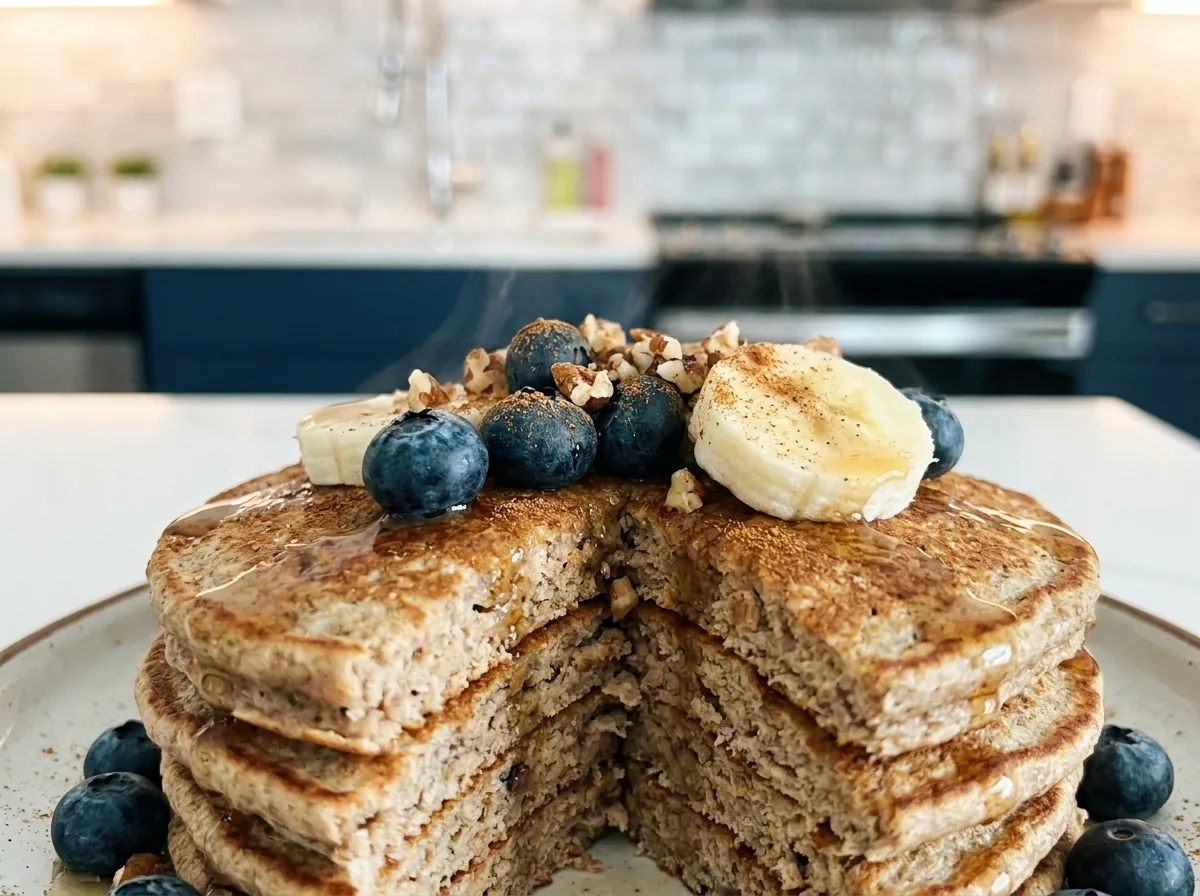
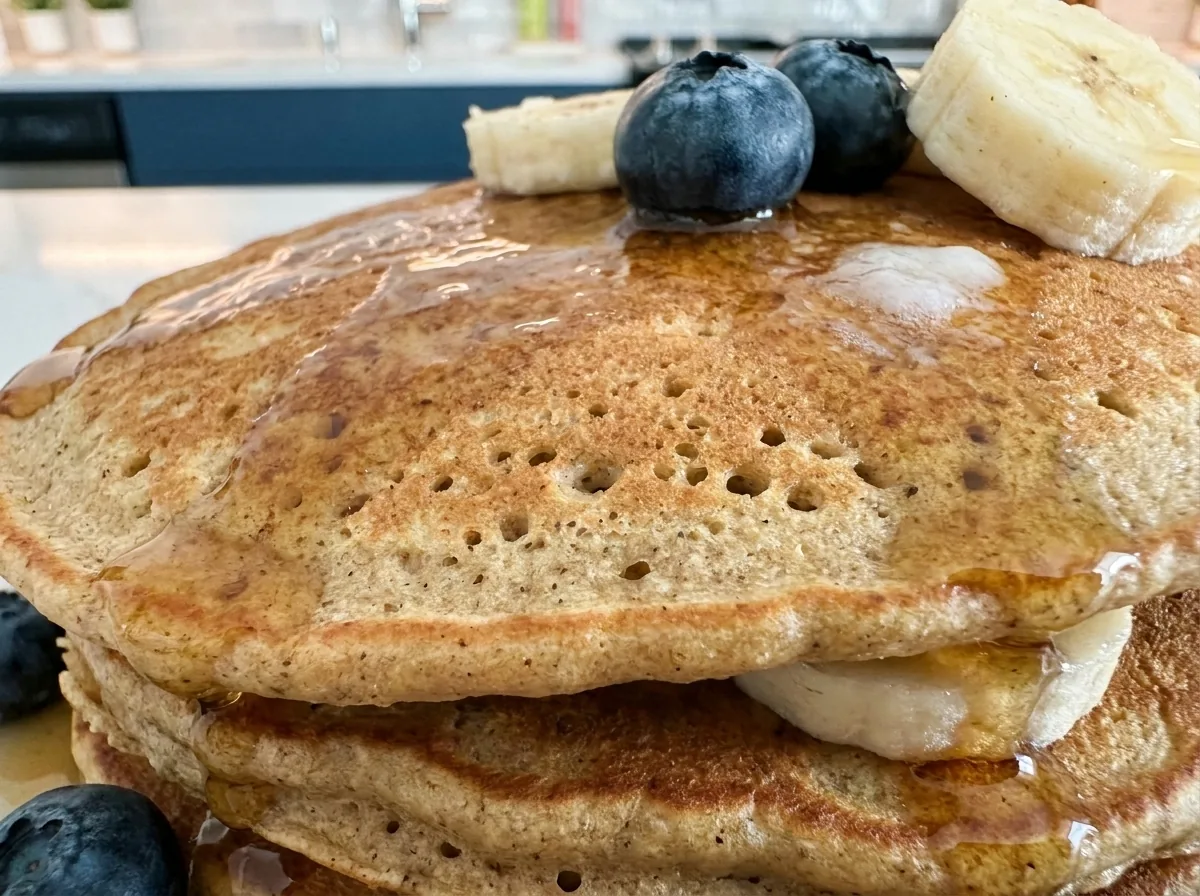
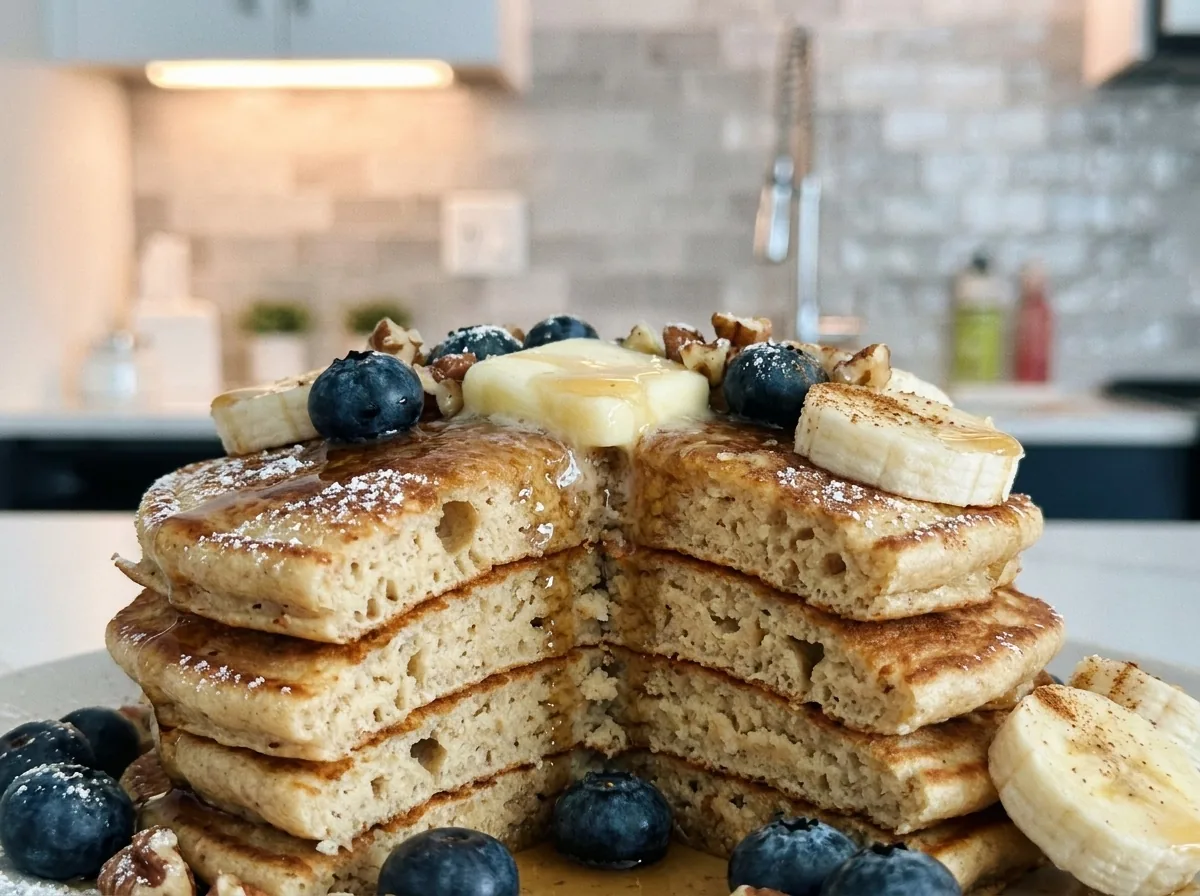
Cook the pancakes. Heat a non-stick skillet or griddle over medium heat and add a small knob of butter or a light spray of neutral oil (coconut, avocado, or canola). Pour roughly ¼ cup of batter per pancake onto the hot surface — use a ladle or measuring cup for consistent sizing. Cook until bubbles form across the entire surface and the edges look set and matte rather than glossy, about 2–3 minutes. The bubbles are a sign that steam is escaping from the batter, which means the pancake is cooking through. Flip once — resist the urge to flip early or multiple times, as this collapses the air structure you built up during mixing. Cook the second side for 60–90 seconds until golden brown. Do not press down on the pancake with your spatula; that squeezes out steam and flattens the texture. Stack the finished pancakes on a plate and serve immediately. Each serving (approximately 3 medium pancakes) contains roughly 13g of protein, 38g of carbohydrates, and 8g of fat — a balanced macronutrient profile for post-workout recovery or a high-protein breakfast.
Nutrition per serving
- Calories 280
- Protein 13g
- Carbohydrate 38g
- Fat 8g
Other recipes you might enjoy
More from the breakfast board — and the rest of the kitchen.