Recipe
How to Keep Protein Pancakes From Turning Out Rubbery
- Prep
- 20 min
- Serves
- 4
- Protein
- 16g
- Calories
- 270
Ingredients
Tick them off as you go.
Protein powder absorbs far more liquid than flour and tightens as it heats, so over-mixing and a hot pan compound into a dense, springy result. This recipe uses single-ingredient potato protein isolate balanced with extra fat and liquid, a rest period, and lower heat — the same logic we cover across our recipe index — to keep the crumb tender. Potato protein isolate is roughly 80–95% protein and disappears into batter without adding flavor.
Method
-
Whisk dry ingredients and respect the ratio. Add the flour, potato protein isolate, baking powder, sugar, and salt to a large bowl and whisk for 30 seconds. The single most common cause of rubbery pancakes is too much protein relative to flour — protein powder has no gluten and no starch to hold air, so a batter that is mostly protein cooks up dense and springy. Keeping the isolate to about a quarter of the dry mix gives you a meaningful protein bump while leaving enough flour structure for a soft crumb. Whisking first also prevents pockets of un-hydrated isolate.
-
Add extra liquid and fat on purpose. In a separate jug, whisk the milk, egg, melted butter, and vanilla until smooth. Potato protein isolate is thirsty: it pulls in more water than the same weight of flour, which is why a standard pancake liquid ratio leaves protein versions stiff and rubbery. The full cup of milk plus two tablespoons of fat is deliberate — the added moisture keeps the interior from drying out, and the fat coats protein strands so they stay tender instead of bonding into a rubbery network as they cook. Let the butter cool slightly so it does not scramble the egg.
-
Combine gently and rest the batter. Pour the wet into the dry and fold with a spatula until just combined — stop while small lumps remain. Over-mixing is the second big cause of rubbery texture: it both develops gluten and forces the protein into a tight matrix, and the two together make a chewy, bouncy pancake. Then rest the batter for a full 5 minutes. Resting lets the potato protein isolate fully hydrate, so it thickens in the bowl rather than continuing to absorb moisture and toughen on the griddle. The batter should look thick but pourable; loosen with a splash of milk if it sets up too far.
-
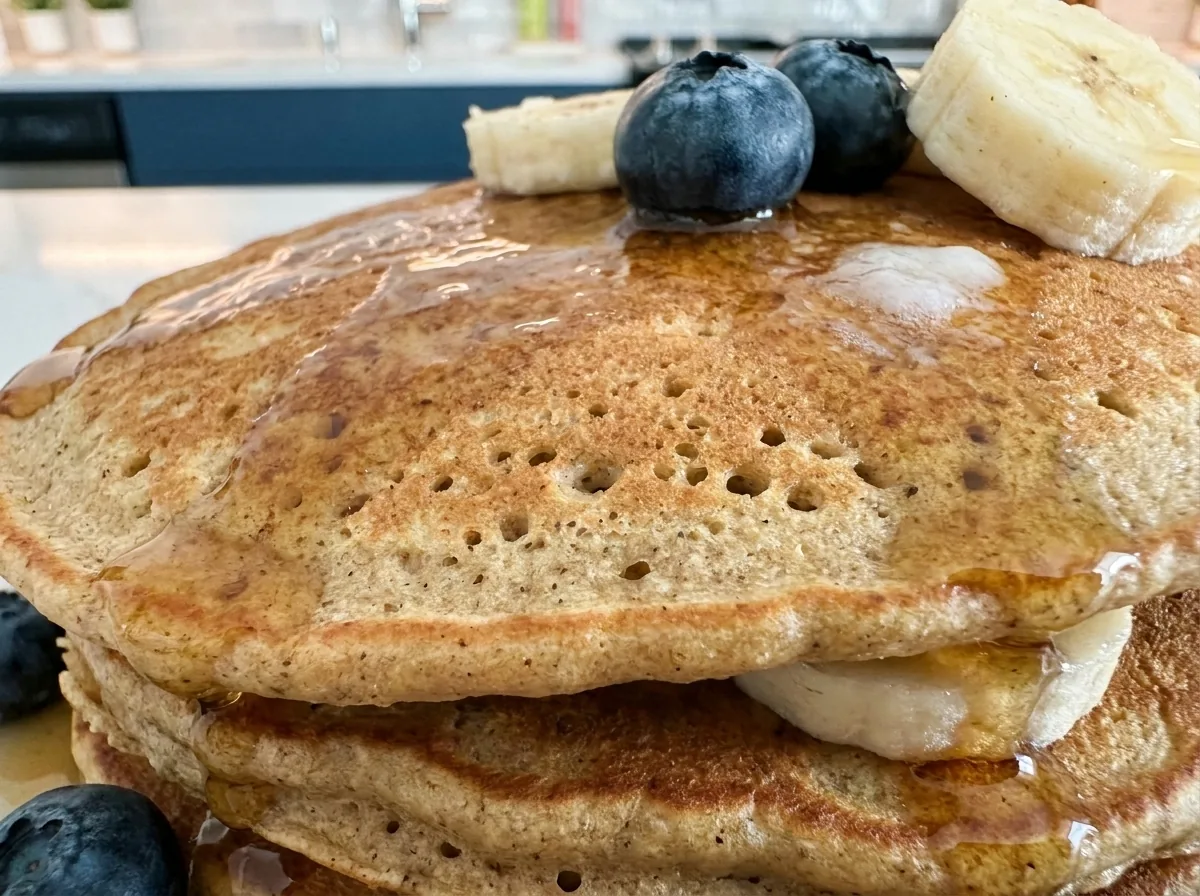
Cook low and slow, and flip once. Heat a non-stick pan over medium-low — lower than you would for ordinary pancakes. Protein sets and tightens faster than starch, so high heat firms the outside before the inside is done, leaving you with a rubbery, overcooked shell. Add a little butter, pour scant ¼-cup rounds, and wait for bubbles to break across the surface and the edges to look matte, about 2–3 minutes. Flip once and cook 60–90 seconds more. Do not press the pancake down — that squeezes out the air and steam you need for a light interior.
-
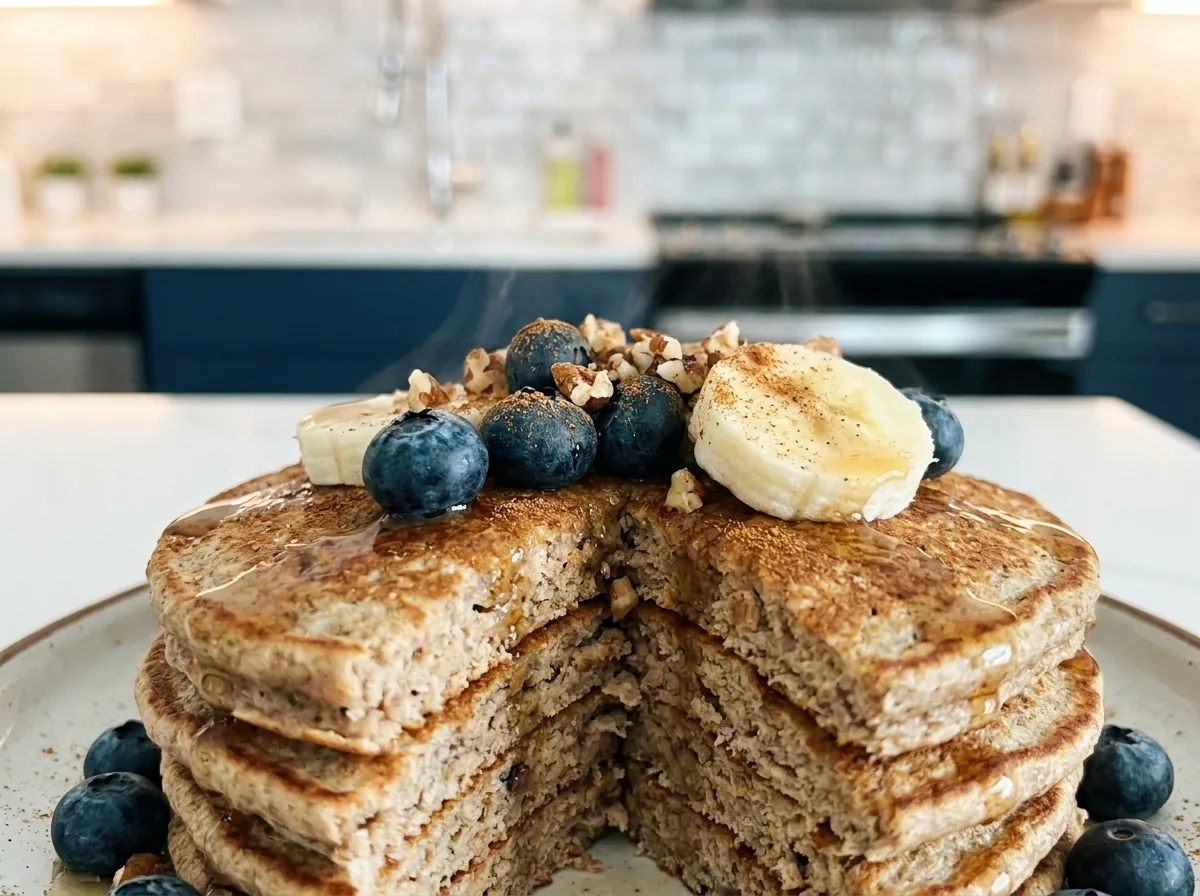
Rest off the heat and serve warm. Move finished pancakes to a plate and let them sit 1–2 minutes before serving rather than stacking them straight under foil. A brief uncovered rest lets residual heat finish the centers gently and lets steam escape, so the surface does not turn gummy. Trapped steam under a tight stack is a small but real contributor to a damp, springy bite. Serve warm; protein pancakes firm up as they cool, so eat them fresh or reheat briefly rather than holding them a long time.
Nutrition per serving
- Calories 270
- Protein 16g
- Carbohydrate 28g
- Fat 10g
Other recipes you might enjoy
More from the breakfast board — and the rest of the kitchen.