Whether protein shakes are safe for pregnant women depends almost entirely on what else is in the powder. The protein itself is rarely the concern — the additives, sweeteners, herbal extracts, and heavy-metal contamination are. During pregnancy, protein needs rise to roughly 1.1 grams per kilogram of body weight, often at exactly the point when morning sickness makes a full plate of food unappealing. That gap is real, and a shake is one practical way to close it.
Plain protein shakes can be safe during pregnancy when the powder contains minimal ingredients and has been third-party tested for heavy metals. The bigger risks are not the protein — they are added artificial sweeteners with limited pregnancy data, herbal extracts like ashwagandha, and lead or cadmium contamination. A 2025 Consumer Reports analysis found more than two-thirds of 23 tested products exceeded its safe daily lead limit. Always confirm any supplement with your OB-GYN or midwife first.
- The smell of cooking meat in the first trimester is enough to end the meal before it starts.
- You can keep down a cold drink when solid food is out of the question.
- You read the supplement-facts panel and stop at the third ingredient you cannot identify.
- Your provider mentioned you may be short on protein, and you want to fix it without guessing.
“I wasn’t worried about the protein. I was worried about everything stacked on top of it.”
The protein-shake market was built for people who want more added to the can, not less. Adaptogens, “calming” blends, sweetener systems, vitamin megadoses — features that read as value on a shelf become a list of unknowns during pregnancy, when the data on many of those ingredients simply does not exist. The challenge is not finding protein. It is finding protein that has not been turned into a delivery vehicle for everything else.
What Makes Protein Powder Riskier During Pregnancy
Pregnancy narrows the margin for error on inputs you would shrug off otherwise. Four issues account for most of the genuine risk, and none of them is the protein molecule.
Heavy-metal contamination is the under-discussed risk
This is the one most labels will not mention. Consumer Reports tested 23 protein powders and ready-to-drink shakes in October 2025 and found that more than two-thirds contained more lead per serving than its safe daily limit of 0.5 micrograms; lead in plant-based products averaged nine times higher than in dairy-based powders. The Clean Label Project’s 2025 Protein Study 2.0 tested 160 products from 70 brands across 35,862 data points and found 47% exceeded at least one federal or state safety standard, with plant-based powders containing five times more cadmium than whey-based varieties. Lead crosses the placenta. This is precisely why third-party testing — not marketing language — is the thing to verify.
Artificial sweeteners with thin pregnancy data
Many powders lean on sucralose, acesulfame potassium, or sugar-alcohol blends to mask plant-protein bitterness. The pregnancy safety data on several of these is limited rather than reassuring, and your provider may prefer you minimize them. A powder sweetened with nothing at all removes the question entirely. If you want flavor, you control it by adding fruit or cocoa to a plain base, rather than inheriting a sweetener system you did not choose.
Herbal and adaptogen additives
Ashwagandha, maca, and other adaptogens now appear in protein blends marketed for stress or recovery. Several of these herbs are specifically cautioned against during pregnancy, and most have not been studied in pregnant populations at supplemental doses. A protein powder is not the place to encounter an herbal extract by accident. Read the full ingredient list, not the front of the bag, and treat any botanical name you do not recognize as a reason to set the product down.
Megadose vitamin and supplement stacking
Some powders add large fractions of the daily value for vitamins and minerals to look more complete. Stacked on top of a prenatal vitamin, that can push certain nutrients — vitamin A in particular — past where you want them in pregnancy. The fix is to keep the protein and the micronutrients in separate, controllable products, so your prenatal does the prenatal’s job and the shake only adds protein.
What Actually Works for Pregnant Women
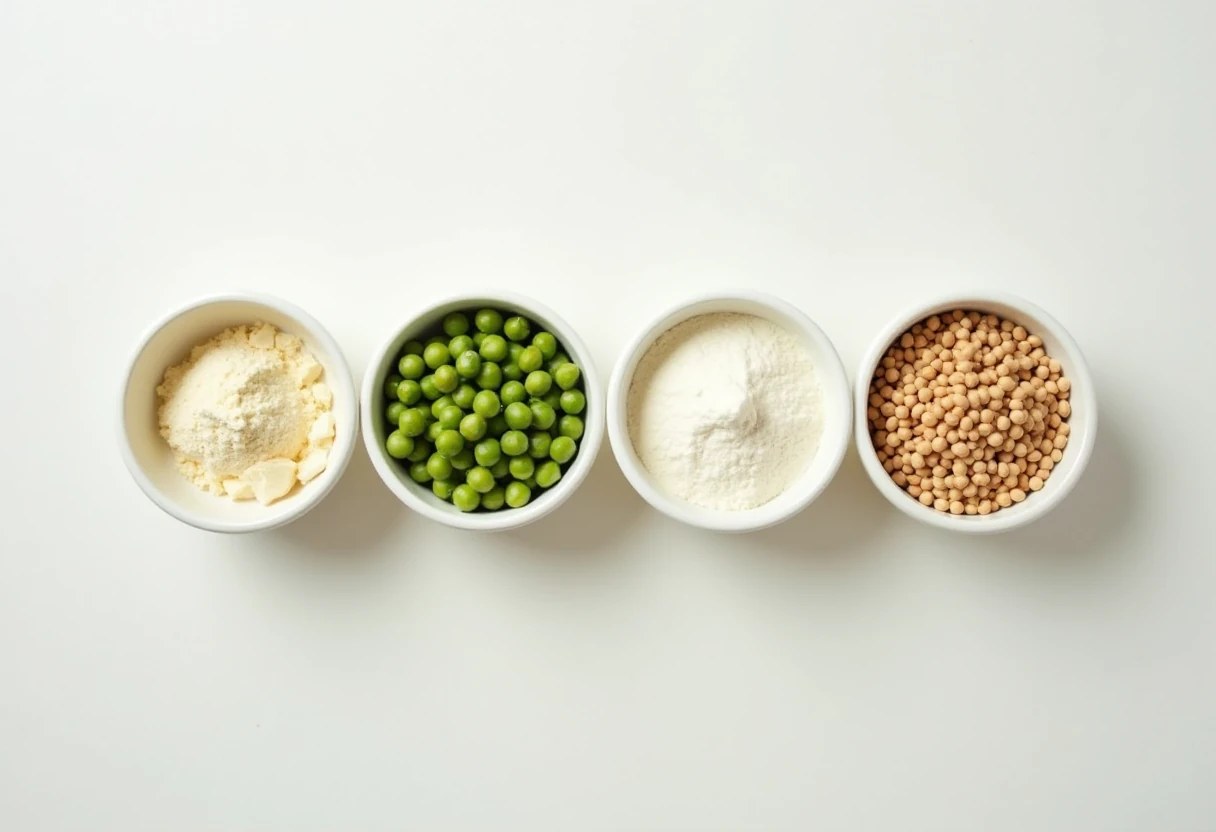
The option that solves all four problems at once is the one with the shortest ingredient list. A single-ingredient protein isolate — nothing but the protein — has no sweetener to question, no herb to research, and no megadose stack to reconcile with your prenatal. That leaves exactly one thing to verify: heavy-metal content, which is verifiable through third-party lab results rather than a claim on the label.
Potato protein isolate is one practical option here. It is a complete plant protein, it is considered Generally Recognized As Safe by the FDA, and it is low-FODMAP, which matters when first-trimester digestion is already unsettled. It is also free of dairy, egg, soy, and nuts, so it sidesteps the common allergens. None of that makes it a prenatal substitute or a treatment for anything — it is simply protein with nothing attached. For a wider comparison of formats and ingredients, the best protein powder guide walks through how single-ingredient isolates stack up against blends, and the allergen-free protein guide covers which proteins avoid the major allergens.
One caveat worth stating plainly: plant proteins as a category showed higher cadmium and, in the Consumer Reports data, higher lead than dairy proteins. That is an argument for testing, not against plant protein. A single-ingredient plant isolate with published lab results tells you more than a “premium” claim on any powder, plant or dairy. Ask for the numbers; do not accept the adjective.
Mixing is simple: a scoop into water, milk, or a smoothie. It disappears into your food. If you are managing nausea, a cold, lightly flavored shake is often easier to keep down than a warm meal — and you decide the flavor by what you add, not by what the manufacturer added for you. Run your specific plan past your OB-GYN or midwife before you start; protein targets and tolerances vary, and they know your pregnancy.