Whole food is the better default for most people, most of the time: supplements help adults who cannot get adequate protein through food alone, but whole foods remain the best source. The question behind Protein Powder vs Whole-Food Protein: When a Powder Actually Wins is narrower than the usual debate. It is not “which is healthier.” It is “in which specific, recurring situations does a measured scoop beat a chicken breast or four egg whites?” There are about five, and they are concrete.
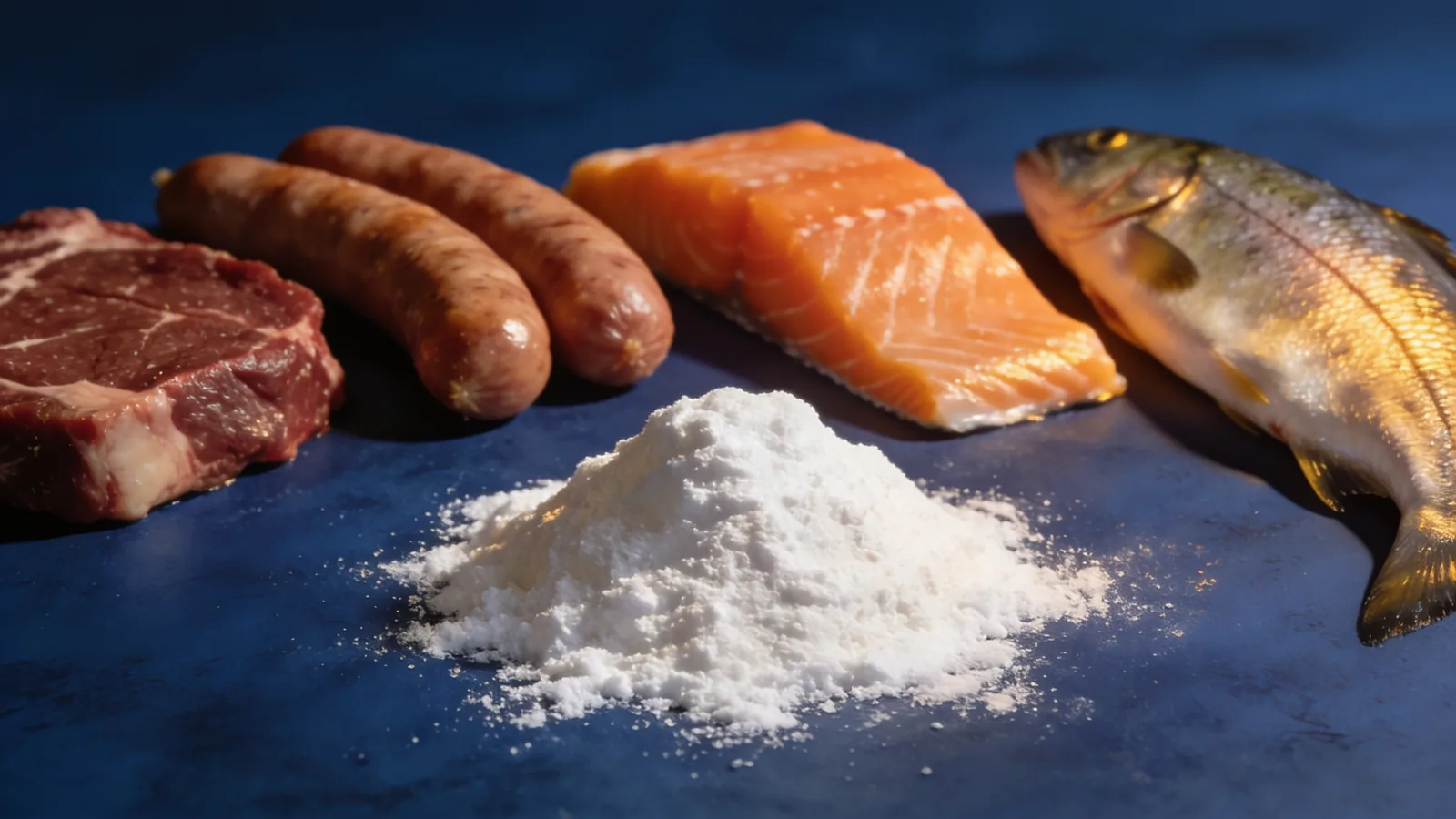
Whole-food protein wins by default — it carries fiber, micronutrients, and a food matrix a powder cannot replicate. A protein powder actually wins in five specific cases: when appetite or chewing capacity is limited (common after 40, when anabolic resistance raises protein needs), when you need a known dose at a known time, when allergies rule out most whole foods, when you are traveling or time-constrained, and when you need protein without the calories that come attached to whole-food sources. Outside those cases, eat the food.
The criteria that decide whether a powder earns its place over food are protein quality, ingredient count, third-party heavy-metal testing, digestibility, and allergen profile.
Top Options by Category
These are the protein types worth reaching for in the situations where a powder genuinely beats food.
Potato protein isolate (single ingredient)
Single-ingredient plant protein
Potato protein isolate sits among the highest protein-quality scores of any vegetable source, with a DIAAS reported as high as 100% (Food Science & Nutrition, Herreman et al., 2020, PMID 33133540). A 2020 trial in young women found 25g of potato protein isolate stimulated muscle protein synthesis at rest and after resistance exercise — the kind of human evidence most plant powders lack (Nutrients, 2020, PMID 32349353). It is a single ingredient, dairy-, soy-, egg-, and nut-free, and Monash classifies potato protein as a low-FODMAP source (Monash FODMAP, 2019). That combination is hard to get from one whole food. What potato protein actually is covers the extraction and the science.
Pros:
- Single ingredient — nothing hidden on the label
- DIAAS reported as high as 100%; among the highest of plant proteins
- Human MPS evidence at a 25g dose
- Low FODMAP; dairy-, soy-, egg-, nut-free
Cons:
- Lower and slower amino-acid rise than whey for immediate post-exercise use
- Earthy taste; it disappears into food better than it shines in plain water
Whey protein isolate
Dairy-based, fast-digesting
If your single goal is the fastest rise in plasma leucine after a hard session, whey isolate is still the reference. It is a complete protein with all nine essential amino acids, it digests quickly, and in older men it stimulated postprandial muscle protein accretion more effectively than casein (American Journal of Clinical Nutrition, 2011, PMID 21367943). Whey isolate typically runs around 90–95% protein with under ~1% lactose, so the isolate carries far less of the FODMAP lactose than concentrate (Monash FODMAP). For the post-workout window, the data favors whey.
Pros:
- Fast digestion and high leucine for rapid MPS
- Complete protein; well-studied in older adults
- Isolate is low in lactose
Cons:
- Dairy-derived — out for the dairy-allergic household
- Animal- and plant-based powders alike can carry heavy metals; verify third-party testing regardless of source
Pea protein isolate
Widely available single-ingredient plant protein
Pea protein has the strongest long-term muscle data of the mainstream plant powders. Over 84 days, pea protein (~20–22.5g/day) produced muscle-mass gains comparable to whey (2.3% vs 2.4%, P = 0.92) in sedentary adults doing weekly resistance training (Nutrients, 2024). Its limiting amino acids are methionine plus cysteine, averaging only 2.6 g/100g protein (Molecules, 2024, PMID 39519674), so it is not a perfect amino-acid match — but for total daily intake it holds up. A single-ingredient pea protein is just yellow pea protein — nothing else.
Pros:
- Long-term muscle gains comparable to whey in a controlled trial
- Available as a single ingredient
- Lower environmental footprint than animal-derived protein sources
Cons:
- Limited by methionine + cysteine content
- Monash notes peas can contain FODMAPs (GOS, fructan) — a concern for IBS
Organic plant-based blend (flavored)
Flavored, multi-ingredient, widely available
A flavored organic plant-based blend is the category to reach for when a multi-allergen household wants something that tastes familiar. These blends typically deliver around 15–21g of plant protein per serving, and many come in stevia-free formulations for people who dislike that sweetener. The trade-off is that a blend is several ingredients rather than one — more inputs, but a more familiar taste for kids transitioning off dairy. Our allergen-free protein guide walks through how to vet a blend.
Pros:
- Flavored and often certified organic; widely available
- Stevia-free formulations exist for the stevia-averse
- Commonly dairy- and soy-free
Cons:
- Multi-ingredient blend — more to read and react to
- Certified organic powders averaged three times the lead of non-organic in Clean Label Project testing; verify the lot
How These Proteins Compare Side by Side
The numbers below put powders and whole foods on the same axis. Where a reliable verified figure does not exist for a cell, it is left as an em-dash rather than filled with a guess.
| Source | Protein content | Quality / limiting factor | Allergen-free (dairy/soy/egg/nut) | FODMAP load |
|---|---|---|---|---|
| Potato protein isolate | 80–95% (dry basis) | DIAAS up to 100; among highest of plant proteins | Yes | Low |
| Whey protein isolate | 90–95% (under 1% lactose) | Complete; all 9 EAAs; fast-digesting | No (dairy) | Low (isolate) |
| Pea protein isolate | 70–90% | Limited by methionine + cysteine (2.6 g/100g) | Yes (legume) | Can contain GOS / fructan |
| Egg white (whole food) | 13g per 4 whites | PDCAAS 1.00 | No (egg) | — |
| Chicken breast (whole food) | — | Complete, high quality | Yes | — |
What to Look For on Your Own
Start by deciding whether you are actually in one of the five “powder wins” situations. If you can comfortably eat chicken, fish, eggs, dairy, or legumes at every meal and you hit your daily target, food is the answer — it brings fiber, micronutrients, and a satiety response that high-protein meals deliver well (Journal of the American College of Nutrition, 2004, PMID 15466943). A powder is a tool for the gaps, not a replacement for the plate.
Case one — appetite or chewing capacity is limited. This is most common after 40. Aging blunts the muscle-synthesis response to protein, a condition called anabolic resistance (PMID 23558692), which means older adults often need more protein at a time when appetite is smaller. A 25g scoop in a smoothie is easier to finish than a second chicken breast. Our protein after 40 guide covers the dosing implications.
Case two — you need a known dose at a known time. Whole foods are imprecise. If you are tracking intake to a gram, a level scoop is a known quantity in a way a chicken thigh is not.
Case three — allergies rule out most whole foods. For a child who cannot have dairy, eggs, nuts, or soy, the whole-food protein menu shrinks fast. A single-ingredient powder that avoids all four is sometimes the most reliable complete-protein source available.
Case four — travel and time. A shaker bottle survives a carry-on. A grilled salmon fillet does not.
Case five — protein without the attached calories. Whole-food protein arrives with fat and carbohydrate. When you need protein density without the rest, an isolate delivers it. For the muscle-building question specifically, the evidence is nuanced: a plant blend raised myofibrillar synthesis to 0.041%/h versus whey’s 0.046%/h (Journal of Nutrition, 2024) — close, but whey edged it acutely. For total daily intake, the difference largely washes out, as the 84-day pea-versus-whey trial showed.
Once you have decided a powder belongs in your routine, the buying criteria are simple. Check for third-party heavy-metal testing — Consumer Reports tested 23 products in 2025 and found more than two-thirds carried more lead per serving than its safe daily limit, with plant-based products averaging nine times the lead of dairy-based ones (Consumer Reports, 2025). Read the ingredient list and prefer the shortest one. You should never squint to read your ingredient label. For a fuller framework on choosing across categories, our best protein powder guide is the pillar resource.